
Reviewed · ABU SIMBEL TOURS
10 Day Egypt Wonders of the Pharaohs Cairo & Alexandria & The Nile & Abu Simbel
The Pyramids of Giza and Abu Simbel give this trip its big punch. In ten days, you move from Cairo’s ancient tombs and Islamic monuments to Luxor’s temples, a four-night Nile cruise, Aswan, and the Mediterranean city of Alexandria. It is a lot of Egypt, but the route makes good use of domestic flights rather than wasting days on long overland transfers.
I like the way the tour combines headline sights with places that add context, especially Saqqara, Memphis, Philae, and the Valley of the Kings. I also like the practical setup: airport pickup, hotels, cruise, meals, guide service, entrance tickets, and internal flights are handled together. The drawback is the pace. Several days are long, and Abu Simbel requires about seven hours, so this suits you if you want to see a great deal rather than linger.
Key points to know
- Giza, Saqqara, and Memphis arrive early, giving you three very different views of Egypt’s Old Kingdom.
- The four-night Nile cruise links Luxor and Aswan with full-board meals and a traditional Galabeya evening.
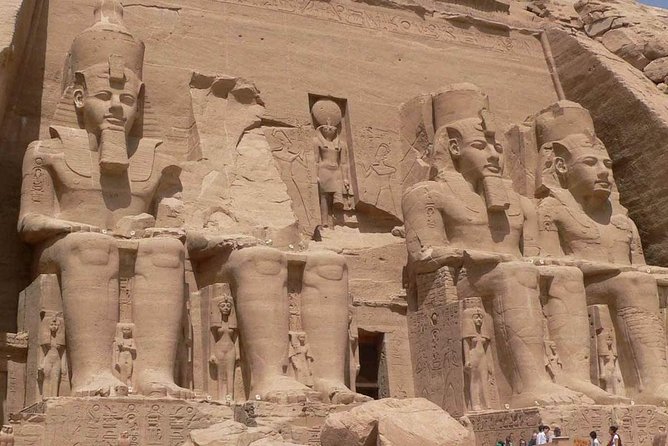
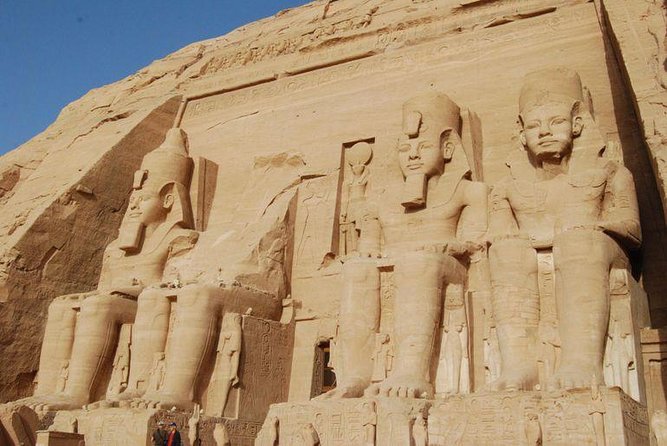
- Abu Simbel is a long day, but its enormous rock-cut temples are among the trip’s most memorable sights.
- Cairo and Alexandria are both included, so you see pharaonic, Islamic, Greco-Roman, and modern Egypt.
- Small-group service is a strong feature, with a maximum of two travelers stated for the activity.
- The price covers major trip costs, though guide and driver tips are extra and the hotel-night count should be confirmed.
Why this 10-day Egypt route works
At $2,850 per person, this is not a bare sightseeing package. It includes five nights in a five-star Cairo hotel, four nights on a five-star Nile cruise, domestic flights between Cairo, Luxor, Aswan, and Cairo, meals listed in the package, private round-trip transfers, an Egyptologist guide, and admission to the scheduled attractions.
That bundle can offer good value in Egypt, where arranging airport transfers, flights, cruise cabins, local guides, and entry tickets separately takes time and creates plenty of room for confusion. You are paying for coordination as much as for the sightseeing.
There is one detail to clear up before booking. The overview says four nights at a Cairo hotel, while the included section says five nights. The ten-day schedule appears to require five Cairo nights: the arrival night, two sightseeing nights before Luxor, the night after returning from Aswan, and the final night before departure. Ask the operator to confirm the exact hotel nights and room arrangements.
The itinerary is described as having a maximum of two participants. That is unusually intimate for a package covering so many sites, though you should confirm how the group size applies to every segment, especially the cruise and domestic flights.
Other Abu Simbel runs from Cairo:
- Our Exceptional 5 days Cairo, Luxor and Abu Simbel Tour Package
★ 5.0 · 212 reviews - From Cairo: 2-Day Abu Simbel & Luxor Tour
★ 3.9 · 136 reviews - 3 Night Luxor and Aswan Nile Cruise with Hot Air Balloon, Abu Simbel from Luxor
★ 5.0 · 76 reviews
Days 1 and 2: Cairo begins with Giza and Saqqara
Your first day is mainly an arrival day. A representative picks you up and transfers you to the Cairo hotel. The service has earned strong marks for making airport arrival less stressful, with named staff such as Tarek praised for meeting people and helping them get through the airport process.
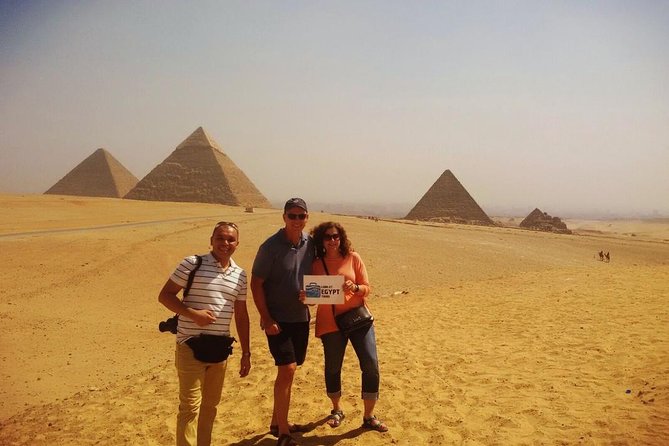
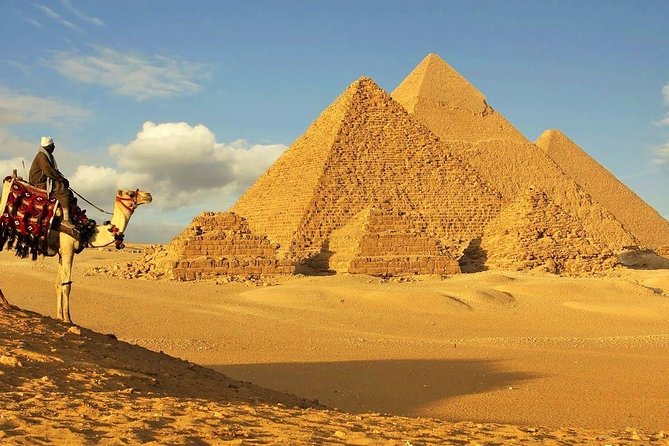
The first full sightseeing day begins at Giza. You get about three hours for the pyramids and Sphinx, enough to see the main plateau and hear the basic story of the royal tombs. The Great Pyramid is the only surviving member of the ancient Seven Wonders, and seeing it in person is less about checking a box than grasping its sheer scale.
You will have time for photographs, including the classic Sphinx and pyramid views. The site can feel crowded and exposed, so bring water, sun protection, and shoes suited to uneven ground. The information provided does not specify an interior pyramid ticket, so ask if entering one of the pyramids matters to you.
Saqqara gives the day more depth. The Step Pyramid of Djoser is an early major stone monument, designed under Imhotep and built as a series of rising levels. It looks very different from Giza, and that difference helps you understand that Egyptian pyramid building developed over time rather than appearing fully formed.
The tour allows about three hours at Saqqara. That is useful because the area is not just a single pyramid. You may see tombs, courtyards, and other remains, depending on the access available that day. The description notes that parts of the site may not always be open, so your guide will be important in explaining what you can enter.
Memphis follows for about an hour. Once the capital of ancient Egypt, Memphis is now an archaeological area near Mit Rahina. Its main draws include the huge limestone figure of Ramses II and an alabaster sphinx associated with Hatshepsut. After the grandeur of Giza and Saqqara, Memphis feels quieter and more fragmentary, but it completes the story of Egypt’s early royal centers.
Day 3: Egyptian treasures, Cairo’s bazaar, and the Citadel
The Egyptian Museum receives three hours. Its collection is enormous, with about 120,000 objects, though only a portion is displayed at any one time. Three hours will not let you see everything, and that is actually helpful. A good Egyptologist can steer you toward the major pieces instead of leaving you lost among galleries of statues, coffins, jewelry, and inscriptions.
The tour specifically highlights the treasures of Tutankhamun. Museum displays and access can change, so treat the guide’s explanation as part of the experience rather than expecting one fixed route through the collection.
Khan Al-Khalili follows for about an hour. This historic souk is a place to browse, watch the flow of Cairo life, and consider small purchases. It can be busy and sales pressure is part of the setting, so keep your valuables close and agree on prices before buying anything. One useful personal touch reported from Cairo guiding is an introduction to local food and spices, which can make the bazaar more than a quick shopping stop.
The final visit is the Citadel of Saladin and the Mosque of Muhammad Ali. Allow about two hours. The fortress served as Egypt’s seat of government for centuries, and the mosque’s position gives you a broad view across Cairo when conditions are clear.
Wear clothing suitable for a religious site and expect to remove shoes if required. This day moves from museum displays to street commerce to Islamic architecture, giving you a welcome break from ancient temples.
Day 4: Luxor Temple and Karnak after the flight south
The program transfers you from Cairo to Luxor by domestic flight, then begins the Nile portion with Luxor Temple and Karnak. The flight saves a long travel day, though airport timing can make this feel like a full working day rather than a slow start to your cruise.
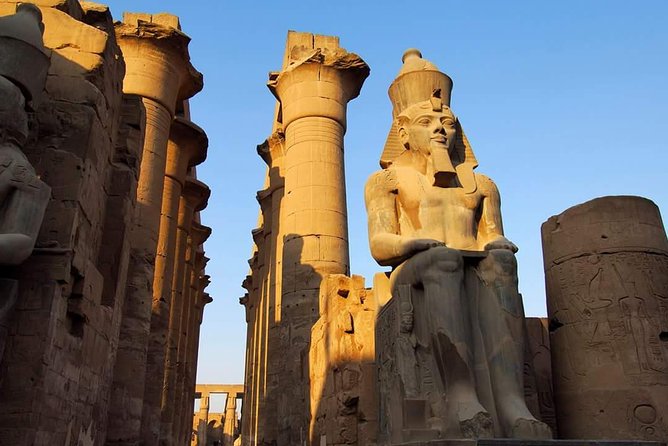
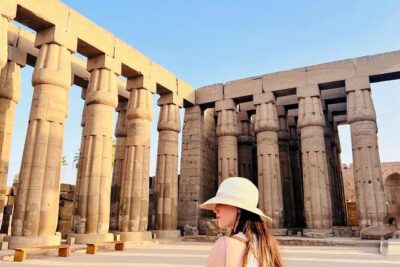
Luxor Temple is an east-bank complex built around 1400 BCE. Its location in the modern city makes it feel connected to daily life in Luxor, while its columns, statues, and ceremonial spaces show how central temple religion was to royal power.
Karnak gets about two hours. It is a huge complex dedicated mainly to Amun, with additions made over many centuries. The scale is the point: broad courts, giant columns, obelisks, and reliefs make it easier to imagine the site as a living religious center instead of a collection of ruins.
You should expect a lot of walking and sun. The itinerary gives one hour at Luxor Temple and two at Karnak, so listen closely to the guide and keep your questions focused. The Cairo and Nile guiding teams have included people such as Hannah and Remon, and the strongest comments about this trip consistently emphasize guides who explain the sites with energy rather than simply leading you from gate to gate.
Other coast days out of Cairo:
- From Cairo Alexandria Catacombs, Citadel Day Trip with Lunch
★ 4.6 · 1,312 reviews - From Cairo: Private Full-Day Tour of Historical Alexandria
★ 4.1 · 1,155 reviews - Alexandria Day Trip From Cairo
★ 4.5 · 991 reviews - Day-Trip to Alexandria from Cairo by Private Car
★ 4.5 · 480 reviews
Day 5: Tombs and queens on Luxor’s West Bank

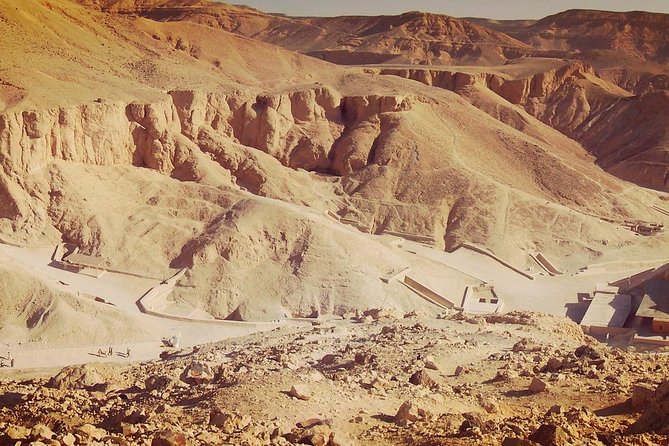
The West Bank is one of the trip’s strongest days. The Valley of the Kings was the burial ground for many New Kingdom pharaohs, including Tutankhamun and Ramses IV. Your standard ticket allows entry to three tombs, while Tutankhamun’s tomb is separate.
That extra fee is worth considering if seeing Tutankhamun’s burial chamber is important to you. The tomb is small compared with the fame of its occupant, but its place in modern archaeology makes it special. The guide can help you choose the best three included tombs if you decide not to add it.
Photography rules and conservation concerns matter here. Humidity, carbon dioxide, touch, and flash photography have affected the painted walls, so follow the current rules and do not use flash. The tombs can also involve steps, narrow passages, and uneven surfaces. The schedule allows three hours, which gives you time to visit several tombs without treating the valley as a rushed photo stop.
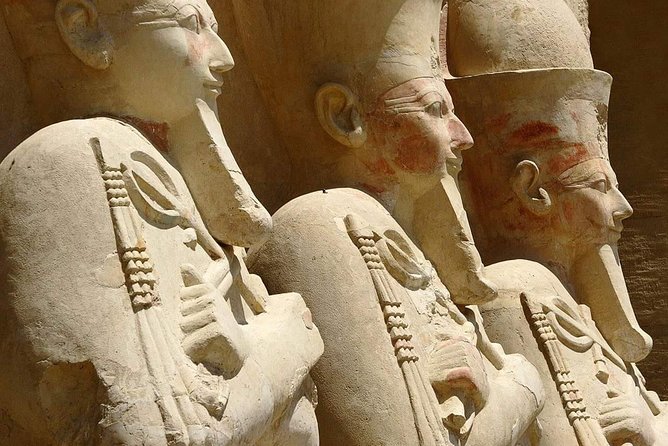
The Temple of Hatshepsut takes about an hour. Its terraces rise against the cliffs, and the story of Hatshepsut gives the site a strong human angle. She ruled Egypt as king and commissioned this funerary temple, later suffering damage to monuments connected with her reign.
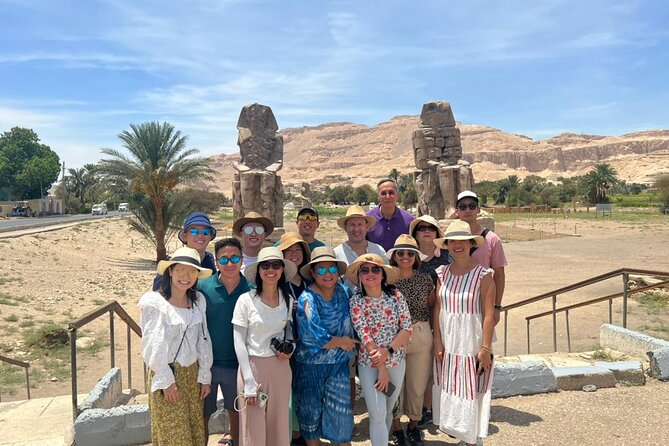
The Colossi of Memnon are a short final stop. These two massive statues of Amenhotep III have watched over the Theban area for roughly 3,400 years. You will not need long here, but the scale is striking and the stop works well as a final look across the West Bank.
Day 6: Kom Ombo and Edfu from the Nile
The cruise becomes the main setting on the next day. A Nile cruise is not just a hotel that moves between stops. It gives you a pause between archaeological visits, with meals and downtime built into the schedule. The package describes the cruise as five-star and full board for four nights.
Kom Ombo is unusual because it is a double temple. One side honored Sobek, the crocodile god, while the other honored Horus and related deities. The two-part design gives your guide a clear way to explain how different cults could share one complex.
Edfu’s Temple of Horus is among Egypt’s best-preserved ancient monuments. Built during the Ptolemaic period, it retained its roof and much of its relief work after sand covered the site. The result is an atmospheric temple with strong walls, readable carvings, and a better sense of enclosed sacred space than many open-air ruins.
The schedule allows two hours at Kom Ombo and three at Edfu. That is generous by Egypt sightseeing standards, but the day still depends on the ship’s sailing times and local operating arrangements. Keep your guide’s meeting instructions handy and return to the boat on time.
The cruise also includes a Galabeya party. You can dress in traditional clothing and join the evening entertainment on board. It is a light, social change from the formal historical visits, though you should see it as a simple onboard activity rather than a major cultural performance.
Day 7: Abu Simbel and Philae in Aswan
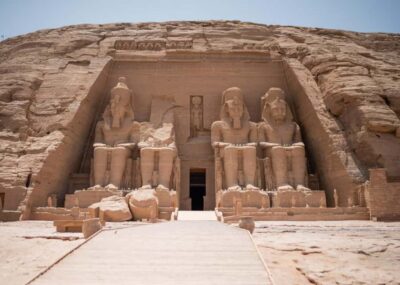
Abu Simbel is the longest excursion, listed at about seven hours. The temples stand near the Sudanese border on the western shore of Lake Nasser, roughly 230 kilometers southwest of Aswan. The journey takes commitment, but the destination is extraordinary: two rock-cut temples fronted by colossal figures and built under Ramses II.
This is the day to pack water, a hat, and anything you need for a long outing. The itinerary does not give a detailed transport plan for Abu Simbel, so confirm the departure time and whether the seven-hour estimate includes the full round trip. You should also expect an early start.
Philae is a gentler visit by comparison. You cross the Nile by motorboat to reach the island temple complex dedicated mainly to Isis. Greek, Roman, and Byzantine rulers added to the site over time, leaving a layered monument rather than a single-period temple.
Philae was moved block by block when the Aswan High Dam threatened to submerge it. The rescue project preserved the complex on Agilika Island, where you can still walk among its columns and reliefs. The boat crossing adds a pleasant sense of arrival and makes the visit feel distinct from the road-based stops.
Day 8: Return to Cairo and a useful rest period
After breakfast on the ship, you check out and fly from Aswan to Cairo. The transfer to the hotel gives you time to rest before the final major excursion.
This day is not packed with sightseeing, and that is a good thing. After the long Abu Simbel outing and several days of temples, you may appreciate an evening with no fixed ancient monument on the schedule. The trip’s logistics team is available to manage the airport transfer, but confirm baggage limits and flight timing directly before departure.
Day 9: Alexandria’s Roman, Egyptian, and Mediterranean past
Alexandria is covered as a long day trip from Cairo, about nine hours. The first stop is Pompey’s Pillar, a red granite column linked to the Serapeum and the Roman period. It is a reminder that Egypt’s story did not end with the pharaohs.
The Catacombs of Kom El Shoqafa follow. This underground cemetery has three rock-cut levels and reflects a mix of Egyptian, Greek, and Roman traditions. Stairs and enclosed spaces may make this stop less comfortable if you dislike underground sites, but it offers a different kind of archaeology from the open temples.
Lunch at a local restaurant is included. The day continues to the Qaitbay Citadel, built on the site associated with Alexandria’s ancient lighthouse. The fortress gives the coastal setting a practical, defensive angle.
The final stop is Bibliotheca Alexandrina. It connects ancient Alexandria’s reputation as a center of learning with the city’s present-day identity. The long drive back to Cairo is the main drawback. You see a great deal, but you do not get an overnight stay or a slow evening by the Mediterranean.
What the $2,850 price really covers
The price makes the most sense if you value support and want to avoid assembling a complex trip yourself. Flights, hotel stays, cruise accommodation, meals, transfers, guide service, and admissions are all listed as included. Breakfast is listed for nine days, along with seven lunches and four dinners, though you should ask exactly which meals are served during the Cairo and Alexandria portions.
Guide and driver tips are not included. Set aside money for them, and ask the operator for current guidance if you prefer to plan in advance.
The strongest service feature is personal handling. The company has assigned Cairo and Nile guides such as Hannah and Remon, and staff members including Walid, Mustafa, and Anas have been singled out for communication, airport help, and adapting plans. The practical benefit is clear: you are not left to solve every transfer or ticket issue alone.
Cancellation terms are fairly strict near departure. A full refund requires cancellation at least six full days before the start time. Cancelling two to six days ahead allows a 50 percent refund, while cancelling less than two full days ahead brings no refund. Changes inside those windows are not accepted.
Who should book this Egypt tour
I would choose this trip if you want the major sights in one organized package and prefer a guide to explain what you are seeing. It suits first-time international visitors, couples, families with adult children, and anyone who values airport assistance and a fixed plan.
It is less suitable if you want slow mornings, long independent walks, or several free days in each city. Cairo, Luxor, Abu Simbel, and Alexandria all demand energy. Children must be accompanied by an adult, and the activity says most people can participate, but anyone with mobility concerns should ask about tomb entrances, boat transfers, and long walking days before paying.
The 5-star label is useful, but hotel and cruise quality can vary by property and sailing date. Ask for the exact hotel names, cruise name, cabin details, flight schedules, and the confirmed Cairo-night count.
Should you book it?
Book this tour if your priority is coverage. You see Giza, Saqqara, Memphis, the Egyptian Museum, Islamic Cairo, Luxor, the Valley of the Kings, Kom Ombo, Edfu, Abu Simbel, Philae, and Alexandria in ten days, with the main transport pieces arranged for you.
Skip it if your ideal Egypt trip is built around unplanned time or a slower Nile journey. For most first visits, though, the route is well chosen. The long Abu Simbel day and packed sightseeing schedule are the price of fitting so much into one trip, while the small-group format and hands-on airport support make the plan easier to manage.
FAQ
How long is the Egypt tour?
The experience lasts approximately 10 days, from airport pickup and hotel transfer on Day 1 to airport escort for departure on Day 10.
What accommodation is included?
The package includes five nights at a five-star Cairo hotel and four nights on a five-star luxury Nile cruise. The overview mentions four Cairo hotel nights, so confirm the exact number before booking.
Are domestic flights included?
Yes. The package includes domestic flights from Cairo to Luxor, Luxor to Aswan as part of the Nile route, and Aswan back to Cairo. Confirm the precise flight schedule with the operator.
Is Abu Simbel included?
Yes. Abu Simbel is scheduled for Day 7, with about seven hours allocated to the temple complex and its associated travel.
Are meals included?
Breakfast is listed for nine days, along with seven lunches and four dinners. The four-night Nile cruise is described as full board. Guide and driver tips are not included.
What is the cancellation policy?
You can receive a full refund if you cancel at least six full days before the start time. Cancellation two to six full days ahead receives a 50 percent refund, while cancellation less than two full days before the start time is nonrefundable. Changes during those restricted periods are not accepted.
Just added in Cairo
- White Desert Overnight Camping Sharing Tour in Egypt★ 5.0 · 15 reviews
- Cairo Best 2Days tour Pyramids, Saqqara & Old Cairo★ 5.0 · 15 reviews
- Giza Pyramids with (GEM) Grand Egyptian Museum★ 5.0 · 42 reviews
- visit the pyramids of Giza + the necropolis of Saqqara + the Memphis site.★ 4.5 · 20 reviews
- Tour to Giza pyramids Memphis Sakkara and Felucca on the Nile★ 5.0 · 16 reviews
- Private Giza pyramid,sphinx, Mummification temple& inside pyramid★ 5.0 · 32 reviews
- Monastery St Simon with Cave Church and Garbage City Private Tour★ 5.0 · 15 reviews
- sunset at Giza pyramids by camels★ 5.0 · 31 reviews
Abu Simbel Tours, compared.
4-Days Nile Cruise From Aswan To Luxor including Abu Simbel and Hot Air Balloon
Read our review →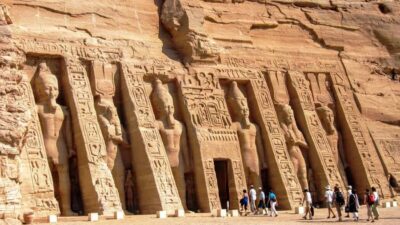
4-Day 3-Night Nile Cruise from Aswan to Luxor&Abu Simbel+Balloon
Read our review →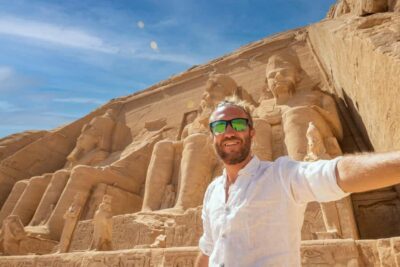
Abu Simbel Temple Private Guided Day Trip with Lunch
Read our review →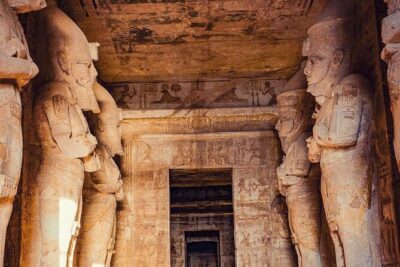
Private Day Tour to Abu Simbel Temples from Aswan
Read our review →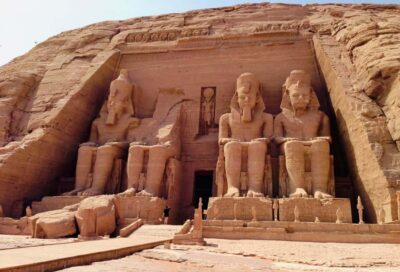
Abu Simbel Group Tour with Guide and Entrance Fees
Read our review →
4 Days Nile Cruise Luxor Abu Simbel & Air Balloon
Read our review →Browse the lists this tour appears in