
Reviewed · COPTIC & ISLAMIC CAIRO TOURS
Old Cairo Guided Walk Tour: History, Culture & Street Bites
Old Cairo is best understood on foot, one gate, mosque, courtyard, and crowded lane at a time. This tour takes you from Bab al-Futuh through the old Islamic quarter to Khan el Khalili, mixing grand monuments with small street scenes and local food.
I like the clear route and the fact that entrance fees and food are covered in the $31 price. I also like the guides’ practical help in the market, especially when guides such as Nahed and Randa explain how to handle persistent sellers. The main drawback is the walking itself: rough streets, stairs, traffic delays, and little time for a proper rest stop can make the 3 to 4 hours tiring.
Key points to know before you go
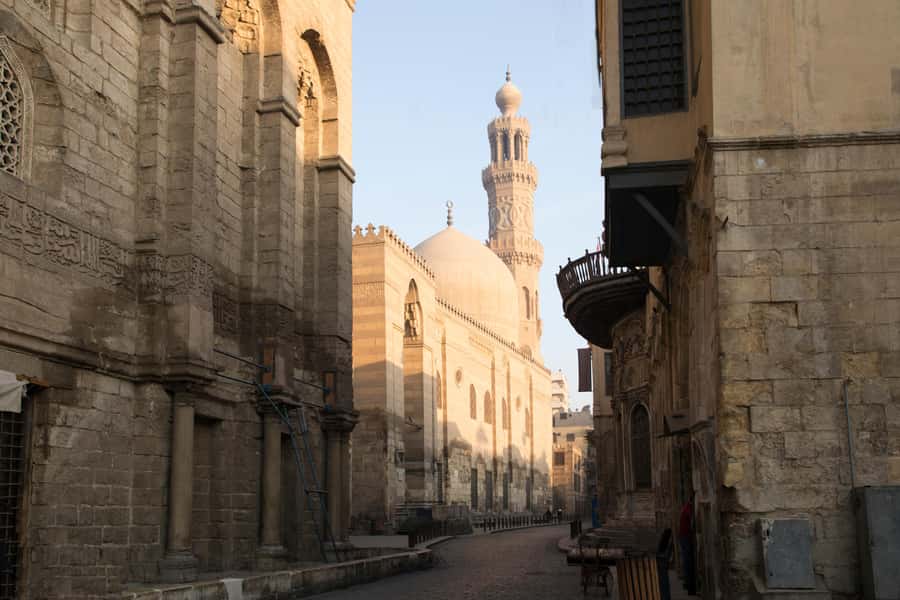
- Bab al-Futuh begins the story: Meet at one of Cairo’s old city gates, then walk into the historic quarter.
- Several major monuments fit into one walk: See Al-Hakim Mosque, Bayt al-Suhaymi, Sultan Barquq’s mosque, the Qalawun Complex, and Al-Hussein Mosque.
- The food is part of the experience: Expect a local meal such as koshary or Egyptian pie, plus zalabya, halabessa, or a similar snack.
- Guides make the market easier: Nahed, Randa, Ehab, Ruby, Dina, and others have led this experience, depending on the day and language.
- The route is physically active: Wear good shoes, expect uneven streets and stairs, and leave large bags and strollers behind.
- The price covers more than a basic walk: Admission, bottled water, food, service tax, and optional hotel transport are included.
From Bab al-Futuh into Old Cairo
Your starting point is Bab al-Futuh, one of the principal gates in Cairo’s old city walls. It is a useful meeting place because the gate immediately gives you a sense of scale. You are not beginning in a modern museum or a hotel lobby. You are stepping into a working part of the city with centuries of movement behind it.
The guide normally gives a short introduction before leading you onward. This opening matters because Old Cairo can otherwise feel like a jumble of narrow streets and impressive buildings. A good guide connects the names, rulers, religious institutions, and changing uses of the quarter so the architecture begins to make sense.
The meeting point is fixed at the gate unless you choose a pickup option. If you are coming independently, arrive on time and keep your phone available. If you book hotel transport, pickup and drop-off are offered within Cairo or Giza city limits, but traffic can be slow. One guest was delayed by more than 30 minutes because the driver struggled with the roads, so do not schedule an airport departure too tightly after the tour.
Other old-quarter walks in Cairo:
- Cairo: Egyptian Museum, Citadel, and Old Cairo Guided Tour
★ 4.7 · 853 reviews - Cairo Citadel, Old Cairo and Khan El Khalili: Private Tour
★ 4.6 · 741 reviews - Old Cairo: Full-Day Islamic and Coptic Cairo Tour with Lunch
★ 4.6 · 688 reviews
Al-Hakim Mosque and a quieter Cairo
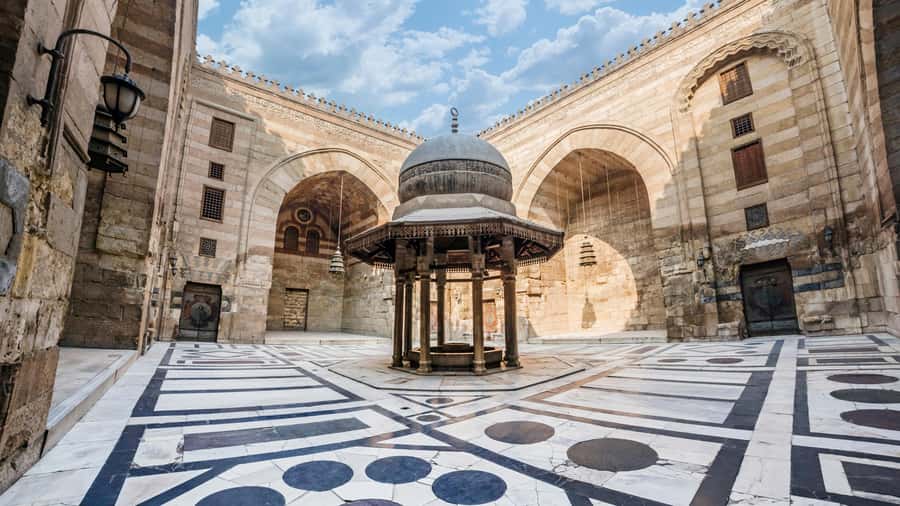
Al-Hakim Mosque is one of the oldest and largest Fatimid mosques in Cairo. Its stone walls and large minarets give the building a strong, spare appearance, while the courtyard offers a calmer pause from the streets outside.
The visit lasts about 25 minutes. Your guide can explain the mosque’s place in Cairo’s religious and architectural story, point out features you might miss, and give context for the Fatimid period. This is one of the stops where a guide adds real value. Without help, you may notice the size and age of the building but miss why its design matters.
Dress for religious sites from the start. Loose clothing covering shoulders, arms, legs, and knees is expected. Women should carry a scarf for mosque visits. This is not the time to rely on a last-minute purchase from the market.
Bayt al-Suhaymi and domestic life
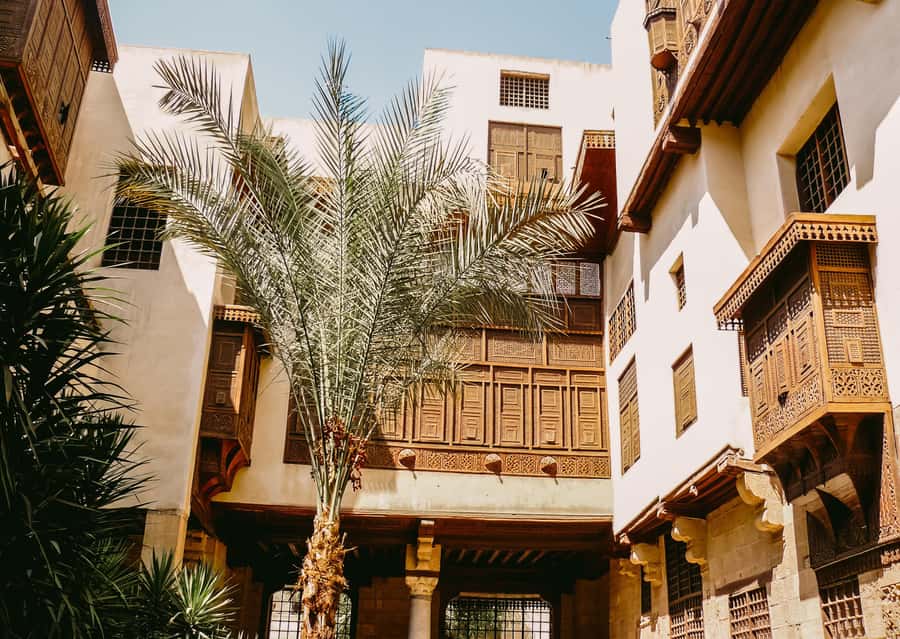
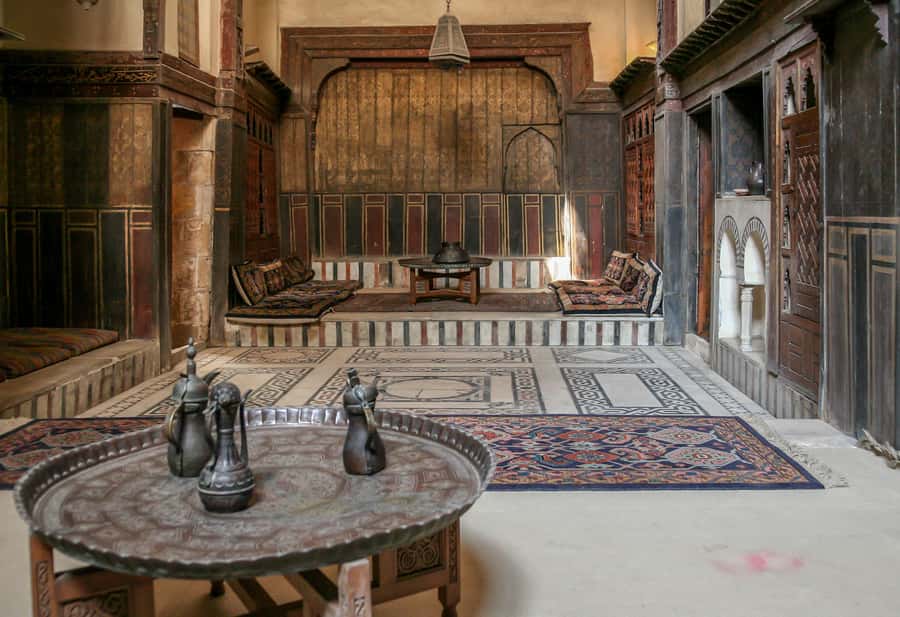
Bayt al-Suhaymi changes the pace. Instead of another large religious monument, you enter a traditional Ottoman-era residence from the 17th century. Its rooms, courtyard, woodwork, and enclosed layout offer a look at domestic life in old Cairo.
The house helps balance the tour. Mosques show public religion and civic power, while Bayt al-Suhaymi gives you a sense of how a wealthy household was organized. The guide explains how rooms and courtyards were used, making the building easier to read than it would be from a quick walk-through.
You have about 25 minutes here. That is enough for an introduction and a look at the main spaces, but not enough for a slow architectural study. If you enjoy old homes, wood screens, and interior details, you may wish the stop were longer. Still, it is an important change from the monumental buildings on the route.
El Moez Street, where the city keeps moving
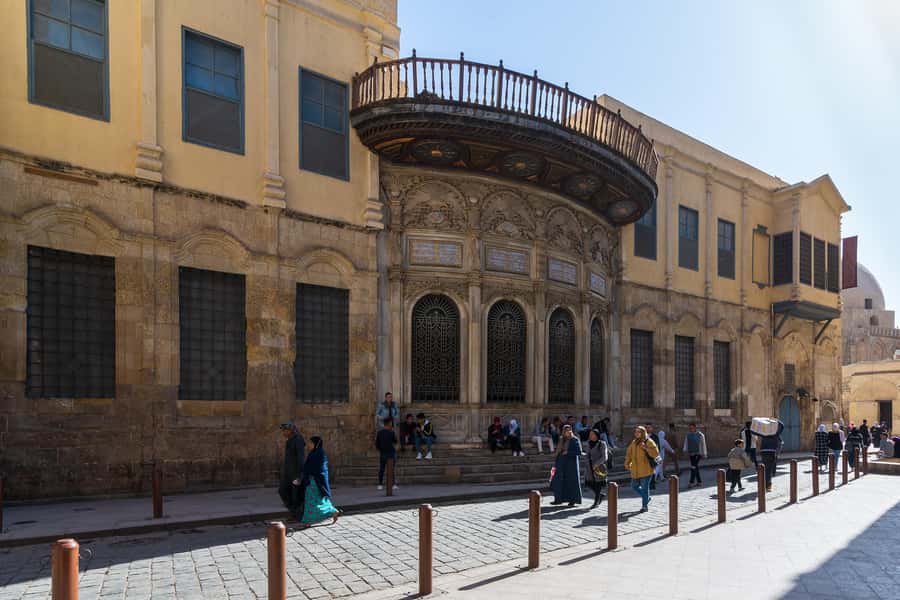
El Moez Street is the main walking thread of the experience. It is lined with old Islamic architecture, shops, cafes, vendors, and doorways that can look ordinary until someone points out their age or purpose.
The route is not a silent museum walk. You will share the street with local shoppers, sellers, and daily traffic. That gives the area its character, but it also means you need to stay close to the guide. The lanes can be crowded, and it is easy to stop for a photograph and lose sight of the group.
I like this part because it connects the monuments to present-day Cairo. You are not simply looking at restored buildings behind barriers. You are walking through a living district where people still work, shop, eat, and meet. The trade-off is noise and interruption. If you want a slow, quiet look at every facade, this pace may feel brisk.
More eating your way round Cairo:
- Cairo Food Tour
★ 5.0 · 148 reviews - Cairo Food Tours & adventures +30 Tastings
★ 5.0 · 146 reviews - Cairo Food Tour in local places & Egyptian Mint Tea
★ 4.5 · 102 reviews
Mamluk architecture at Sultan Barquq and Qalawun
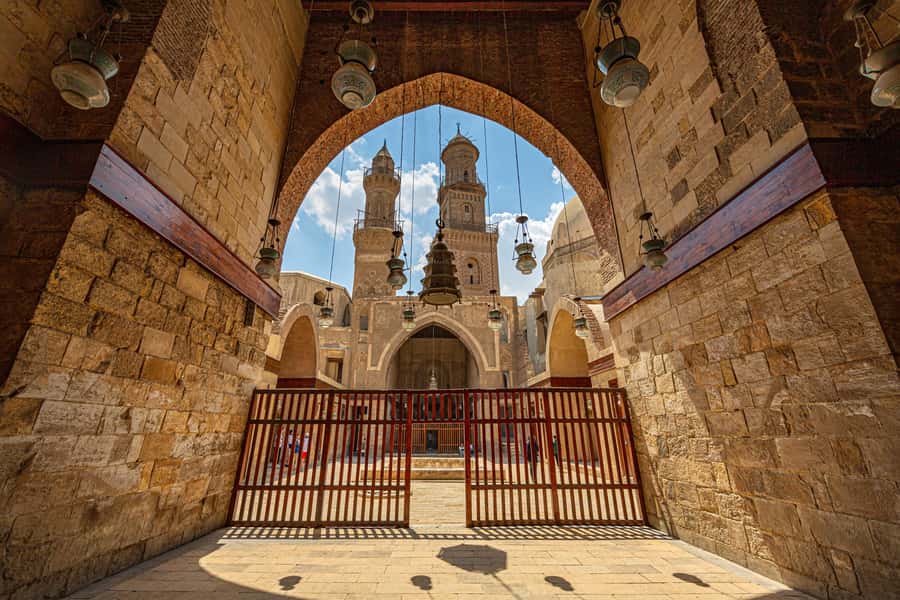
The route continues to the Mosque and Khanqah of Al-Nasir Faraj Ibn Barquq, followed by the Qalawun Complex. The Barquq stop is especially useful for understanding how a medieval religious building could serve several roles at once. It functioned as a mosque, a madrasa, and a Sufi lodge, combining prayer, teaching, and religious community life.
The design is more elaborate than the earlier Fatimid buildings. Look for the carved details, carefully arranged spaces, and the sense of ceremonial scale. Your guide can help separate the architectural features from the historical names, which can otherwise become hard to remember.
The nearby Qalawun Complex adds a mosque, madrasa, and mausoleum to the route. Together, these buildings show the power and resources of Cairo’s medieval rulers. The complex is not just a place of worship. It also reflects education, commemoration, and political display.
You spend about 20 minutes at the Barquq site and 25 minutes at Qalawun. Those times are sensible for a broad introduction, but the route can feel full. The tour includes many major stops, so you should expect explanation and sightseeing rather than long periods for independent photography.
Al-Hussein Mosque and a change in mood
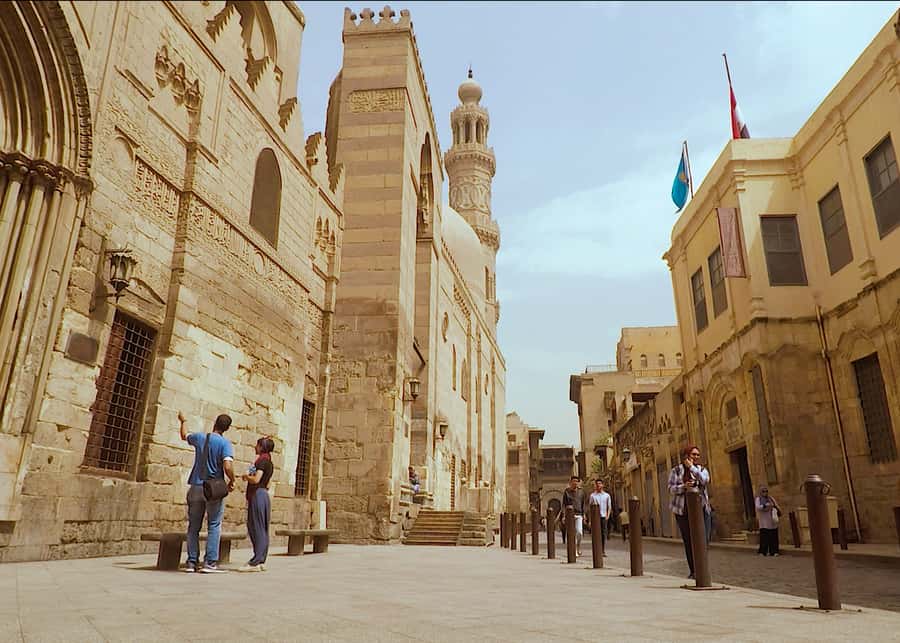
Al-Hussein Mosque brings the walking portion toward its spiritual center. Located near Khan el Khalili, it has a strong religious importance and a calmer atmosphere inside.
Your guide will explain the mosque’s significance and allow a short moment for reflection. As at the other religious sites, modest clothing is essential. Be respectful of worshippers, follow instructions about where to walk, and keep photography within the rules given on the day.
The stop lasts about 20 minutes. It is less about checking another building off a list and more about seeing how faith remains part of daily life in this quarter. That shift gives the tour some needed variety after the architectural detail of the Mamluk complexes.
Khan el Khalili and the practical side of shopping

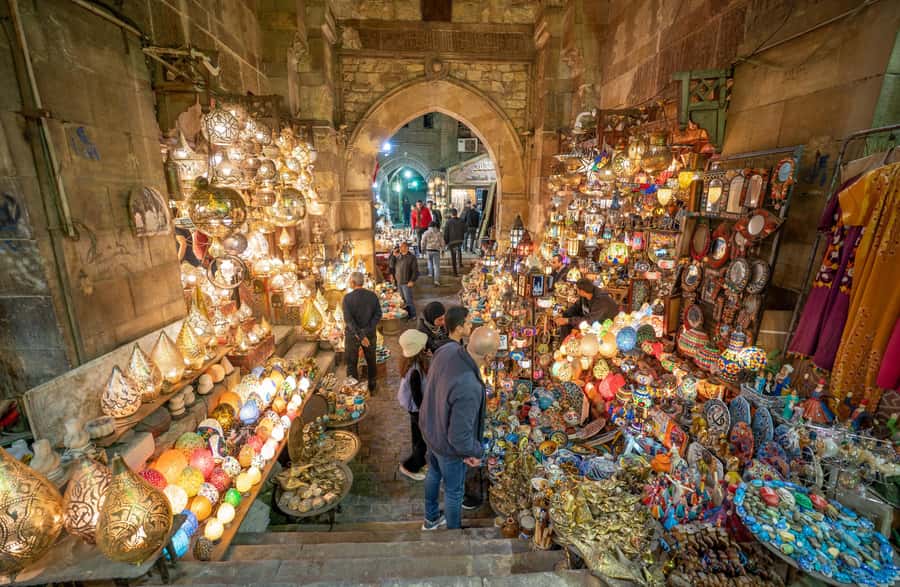
The final major stop is Khan el Khalili Bazaar. Its lanes are packed with stalls selling spices, jewelry, textiles, souvenirs, and other goods. You can browse, bargain, and watch the changing rhythm of the market.
This is where a guide can make the experience more comfortable. Guides including Nahed and Randa have helped visitors understand how to respond to sellers and have led groups to shops with fairer prices. That does not mean you must buy anything. Keep your spending optional, compare prices, and remember that the first price is usually a starting point for negotiation.
Carry some cash for purchases and personal expenses. The tour includes the main admissions and food, but it does not cover souvenirs or other spending. Keep your wallet and phone secure in the crowded lanes, and stay aware when stopping to look at merchandise.
The market is a lively finish, but it can also be the most tiring part. After several hours of walking, you may have less patience for repeated sales pitches. A guide who keeps the group together and helps with local customs is useful here, especially for a first visit to Cairo.
Egyptian food at the end
Food is not an afterthought on this tour. The included meal may be authentic koshary or Egyptian pie, with local snacks such as zalabya or halabessa, or similar street foods. Some people also receive a traditional drink or juice along the way.
Koshary is a filling Egyptian dish, while Egyptian pie offers a pastry-based option. Zalabya is a sweet fried snack, and halabessa is a local chickpea snack or drink. The exact selection can vary, and vegetarian food is available according to the information provided.
This meal adds something important to the outing. You are not only looking at Cairo’s old buildings; you are also trying everyday local flavors in a simple setting. Several guides have been praised for making the food stop feel like a natural part of the route rather than a forced restaurant break.
Do not expect a long sit-down lunch with a leisurely pause. One person felt a longer break would have helped, and that is fair. The tour is tightly planned, so the food stop is enough to eat and sample local dishes, but may not feel like a full rest after a demanding walk.
What the guides add
The tour uses professional Egyptologist guides and offers English, French, Spanish, Arabic, and German. The guide assigned to you may vary. Names connected with the experience include Nahed, Randa, Ehab, Ruby, Dina, Samaa, Bassant, Ahmed, Rehab, David, and Haisam.
The strongest part of the guiding is the mix of history, humor, and practical help. Nahed has been praised for explaining complex subjects clearly and looking after people in the market. Randa is known for detailed explanations, energy, and patience with questions. Haisam has also led the walk in Spanish.
That does not mean every guide will have the same personality. It does mean the format depends heavily on the person leading your group. Ask questions as you go. The stops are short, and a direct question can turn a general explanation into something more useful for your interests.
Is $31 good value?
At $31 per person, this is a strong value if you want several Islamic Cairo sights in one organized outing. Entrance fees, bottled water, local snacks, a meal, service tax, and a professional guide are included. Hotel pickup and drop-off are available with the relevant booking option, which adds convenience but should be checked before you reserve.
The value is less about luxury and more about reducing friction. You do not need to work out the order of the monuments, find each entrance, or decide where to eat. You also have someone to explain the buildings and help you handle the bazaar.
The price does not cover souvenirs, personal purchases, or tips. Tipping is not mandatory. If you are comparing this with a simple self-guided walk, the difference is the explanation, access support, and food rather than transportation alone.
Walking conditions and useful preparation
This is not a suitable outing for wheelchair users, and baby strollers and large bags are not allowed. The streets can be rough, and stairs are part of the route. One person described the terrain as demanding, so take that seriously.
Wear comfortable shoes with good grip. Bring sunscreen, a hat, and water, even though bottled water is included. Dress modestly for the mosques and carry a scarf if needed.
The walking time at the listed stops adds up to roughly three hours, before transfers, explanations, food, and pauses. That fits the advertised 3 to 4 hour duration, but it leaves little room for a long break. If you have an airport transfer, train, or fixed appointment, allow extra time for Cairo traffic.
The tour sequence can change if a listed site is closed. This is a sensible operational detail, not a reason to avoid the tour. The main experience remains a guided walk through Islamic Cairo, but you should not treat every stop as guaranteed in an identical order.
Who should book this Old Cairo walk?
I would choose this tour for a first visit to Cairo, a solo visitor who wants local guidance, or anyone who wants history, food, and the bazaar in one half-day. It is also a good opening activity because it gives you useful context before you return to Old Cairo on your own.
It suits people who like walking, short visits to several sites, and a guide who explains religion, architecture, and daily life together. The food makes it especially appealing if you want more than sightseeing.
I would hesitate if you need step-free access, dislike uneven streets, want long quiet visits inside each monument, or prefer to explore markets without a group. In those cases, a slower private plan may suit you better.
Should you book it?
Book this Old Cairo walk if you want an efficient introduction to Islamic Cairo with admission fees and local food already handled. The strongest reasons are the range of sites, the practical market guidance, and the chance to try koshary or Egyptian pie after walking through the old quarter.
Go prepared for rough pavement, stairs, crowds, sales pitches, and a fairly full schedule. Arrive on time at Bab al-Futuh, dress for religious sites, and allow extra time if you need to return through Cairo traffic. For $31, it offers a useful mix of monuments, stories, and food without making you organize the day yourself.
FAQ
Where does the Old Cairo walking tour begin?
The meeting point is in front of Bab al-Futuh, one of the main gates of Cairo’s ancient walls.
How long does the tour last?
The tour lasts approximately 3 to 4 hours, depending on the starting time, walking pace, traffic, and the day’s route.
What sites are included?
The route includes Bab al-Futuh, Al-Hakim Mosque, Bayt al-Suhaymi, El Moez Street, Khan el Khalili, the Mosque and Khanqah of Al-Nasir Faraj Ibn Barquq, the Qalawun Complex, and Al-Hussein Mosque.
Are entrance fees included?
Yes. Entrance fees to the listed attractions are included in the tour price.
Is food included?
Yes. The experience includes local snacks and street food. Options may include koshary or Egyptian pie, along with zalabya, halabessa, or similar local snacks.
Is hotel pickup available?
Yes. Pickup and drop-off are available from hotels or selected locations within Cairo or Giza when that option is booked.
Which languages are offered?
The tour is offered in English, French, Spanish, Arabic, and German.
What should I wear?
Wear loose clothing that covers your shoulders, arms, legs, and knees. Women should carry a scarf for religious sites.
Is the tour suitable for wheelchair users or baby strollers?
No. The tour is not suitable for wheelchair users, and baby strollers are not allowed. Large bags and luggage are also not allowed.
More walking tours elsewhere in Egypt
- Islamic Cairo Walking Tour: Khan el Khalili, Al-Azhar Mosque
★ 5.0 · 96 reviews - Professional Photo Shoot & Authentic Cairo Walking Tour
★ 5.0 · 78 reviews - Walks Of Cairo Night Excursion With Food & walking Tour
★ 5.0 · 67 reviews
Just added in Cairo
- 2 days 1 night Luxor,Aswan & Abu simbel by flight from Cairo★ 4.5 · 20 reviews
- Cairo Layover Tours To Giza Pyramids Memphis Sakkara Dahshur Pyramids And Bazaar★ 5.0 · 35 reviews
- Giza Pyramids Sound & Light Show At Night★ 4.0 · 74 reviews
- Islamic Cairo Walking Tour: Khan el Khalili, Al-Azhar Mosque★ 5.0 · 96 reviews
- Cairo Food Tours & adventures +30 Tastings★ 5.0 · 146 reviews
- All Inclusive Private Cairo Layover Tour from Cairo Airport★ 5.0 · 50 reviews
- Professional Photo Shoot & Authentic Cairo Walking Tour★ 5.0 · 78 reviews
- Sound and Light Show at Giza Pyramids★ 3.5 · 154 reviews
Coptic & Islamic Cairo Tours, compared.
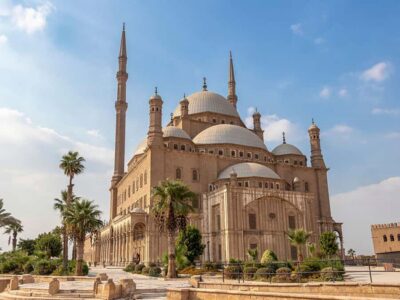
Egyptian Museum, Citadel, and Old Cairo Guided Tour
Read our review →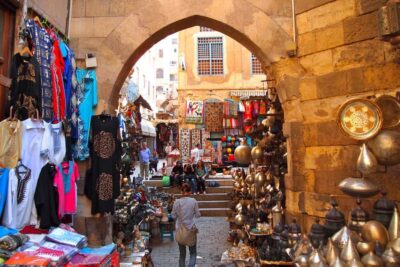
Cairo Citadel, Old Cairo and Khan El Khalili: Private Tour
Read our review →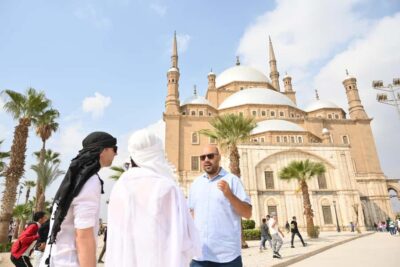
Old Cairo: Full-Day Islamic and Coptic Cairo Tour with Lunch
Read our review →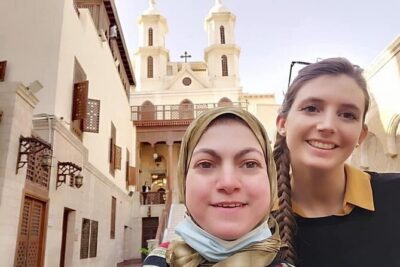
4-hours private Tour Islamic Mosque,Coptic Cairo &Khan el-Khalili
Read our review →
The Egyptian Museum, the Citadel, Khan Khalil Bazaar & Old Cairo
Read our review →
Sharm El Sheikh City Tour: Old Market, Mosque & Farsha Café
Read our review →
Old Cairo and Khan El Khalili Bazaar: Private Half-Day Tour
Read our review →
Cairo Private Day Tours: Discover Islamic and Coptic Cairo
Read our review →Browse the lists this tour appears in