
Reviewed · VALLEY OF THE KINGS & LUXOR WEST BANK
Luxor East and West Bank: Valley of the kings, Habu Temple,Karnak&Luxor Temples
Luxor packs some of Egypt’s greatest monuments into one long day. This tour crosses both banks of the Nile, from the royal tombs in the Valley of the Kings to the huge columns of Karnak and the well-preserved reliefs at Medinet Habu. It is an efficient way to see the essentials with a private group and an English-speaking Egyptologist guide.
I like the private air-conditioned vehicle, which matters under Luxor’s strong sun, and the guide-led visits, especially at places such as Hatshepsut’s temple where the story is far more interesting than the bare stones suggest. Guides Laila and Mohamed Noor receive especially warm praise for clear English, patience, organization, and good help with photographs.
The tradeoff is pace. The day is scheduled for roughly eight hours, yet the listed visits add up to about eight and a half hours before driving time. Entrance fees are not included, so your final cost will be higher than the advertised $85 per person. Bring water, a snack, a hat, and comfortable shoes.
Six things to know before booking
- Two-bank coverage: You see the main West Bank tombs and temples, then finish among the major sanctuaries of Luxor’s East Bank.
- A genuinely private outing: Only your group takes part, so the guide can adjust explanations and pauses to your needs.
- Laila is a guide worth requesting: Her English, patience, photography help, and command of Egyptian antiquities receive repeated praise.
- The advertised $85 is not the final cost: Entrance tickets, tips, and anything not listed are extra.
- Start time is 7:00 am: This early departure gives you a better chance of handling the West Bank before the hottest part of the day.
- The itinerary is ambitious: You get breadth, but you should not expect a leisurely, slow study of every monument.
Why this Luxor route works
Luxor is split by the Nile in both geography and purpose. The East Bank was the city of temples and religious life, while the West Bank held royal tombs, funerary temples, and the wider Theban Necropolis. This route uses that division well.
You begin with the West Bank, where the Valley of the Kings, Hatshepsut’s temple, the Colossi of Memnon, and Medinet Habu sit in the same general area. You then cross to the East Bank for Karnak and Luxor Temple. That order gives the day a clear shape: tombs and funerary monuments first, grand temple complexes later.
The private format is important here. You are not joining a large coach group, and only your party participates. That means you can ask questions without holding up a busload of people, and the guide can spend more time with one member of your group if needed. One guide also stayed with a tired mother while another family member visited the tombs, a useful example of the flexibility this arrangement can offer.
The advertised price is $85 per person. For a private full-day tour with vehicle, hotel or Nile cruise pickup, a bottle of water, and an English-speaking Egyptologist guide, that can be good value. But do your sums before booking. Entrance tickets are excluded, and so are tips and anything else not specifically listed. Ask for the current admission costs before you commit if you are working to a tight budget.
Other west bank days out of Cairo:
- Day Trip to Luxor From Cairo By Flight, King Tut Tomb Included
★ 4.5 · 270 reviews - Cairo : Luxor East and West Banks Tour & Overnight SLEEPER Train Rounded trip
★ 4.5 · 21 reviews - Cairo : Luxor East and West Banks Tour by Overnight Sitting Train Rounded trip
★ 5.0 · 20 reviews
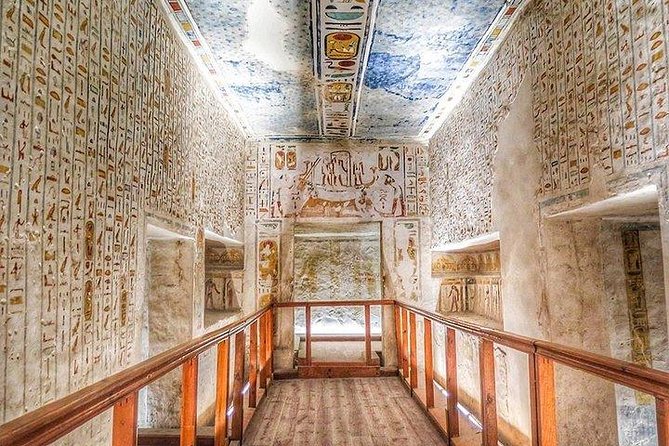
Inside the Valley of the Kings
Allow about two hours at the Valley of the Kings. This is the day’s major draw, and it deserves the largest block of time.
The valley contains tombs cut into the dry hills on Luxor’s West Bank. It served as a royal burial area and includes two sections, commonly called the East Valley and West Valley. The tour description does not promise particular tombs, since access can change, but previous visits included the tombs of Ramesses III, Ramesses IV, and Ramesses IX.
Inside, your guide can help you read the painted scenes and explain how the tombs were designed for the pharaoh’s passage into the afterlife. The decoration is the point. A tomb can look plain from the outside, then open into corridors covered with figures, symbols, and texts in striking color.
The valley is not a museum where you stroll at your own pace over a flat floor. Expect walking, steps, uneven ground, and heat. The ticket arrangement also matters. Your admission is not included, and some tombs may require an additional ticket beyond the standard entrance. Ask your guide what is open and what is worth paying for on the day.
A practical tip: do not spend all your energy at the first tomb. The scheduled two hours can pass quickly, particularly if you want photographs and explanations. If someone in your party tires easily, tell the guide early. The private setup makes it easier to adjust the pace than it would be on a large group excursion.
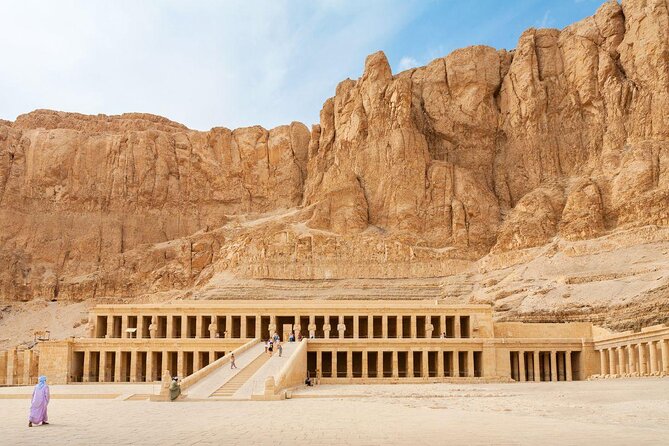
Hatshepsut’s temple at Deir el Bahari
The next visit lasts about 90 minutes. Hatshepsut’s temple sits at Deir el Bahari against the cliffs, with broad terraces and long lines that give it a very different feel from the enclosed tombs.
Hatshepsut was one of ancient Egypt’s most successful female rulers and the fifth king of the Eighteenth Dynasty. Her reign was a major moment in that dynasty and in Egyptian history more broadly. The temple reflects her effort to present herself as a legitimate pharaoh, not simply as a royal woman who held power temporarily.
This is where a good guide makes a real difference. The architecture is impressive on its own, but the political story gives the terraces purpose. Ask your guide to explain how Hatshepsut presented her rule and how the temple connected her authority with the god Amun.
Admission is extra here, as it is at the other major paid sites. The stop is long enough for a useful explanation and photographs, though the day’s tight schedule means you may not have unlimited time to wander. Keep your hat and water handy. There is little reason to rush your first look, but the heat can encourage you to do exactly that.
The Colossi of Memnon in a short stop
The Colossi of Memnon is a 30-minute photo stop with free admission. Two enormous seated statues depict Amenhotep III, who ruled in the Eighteenth Dynasty around the fourteenth century BC.
The statues once guarded the entrance to a much larger mortuary temple. That temple has largely disappeared, leaving the two figures as a powerful reminder of how much ancient Thebes has been lost or buried.
This is not a full museum visit. You will have time to look closely, take photographs, and hear the basic story before moving on. The short stop works well in a packed day, though anyone hoping for a long archaeological explanation may find it brief.
Use the pause wisely. It is one of the few stops with no entrance fee, and the open setting gives you a chance to stretch before the next temple. It also provides a useful contrast with the enclosed royal tombs and the terraces of Hatshepsut.
Other temple visits around Cairo:
- Luxor: Shared Full-Day Tour to Luxor West and East Banks
★ 4.5 · 1,812 reviews - Hurghada: Luxor Tour with Valley of Kings, Karnak & Tut Tomb
★ 4.6 · 1,082 reviews - Luxor : Full Day Tour to Luxor West and East Banks & Lunch
★ 5.0 · 870 reviews - Luxor: Valley of Kings, Hatchepsut Temple ,Karnak & Luxor-DayTour
★ 5.0 · 735 reviews
Medinet Habu and the temple of Ramesses III
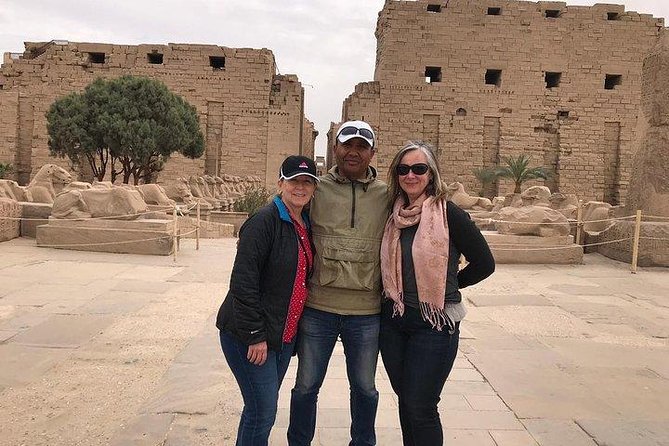
Medinet Habu is one of the strongest parts of this route, particularly if you care about carved reliefs and a sense of scale. The tour allows about 90 minutes at the memorial temple of Ramesses III, at the southern end of the Theban Necropolis.
The temple is among the best preserved in Egypt. It is enclosed by a large mud-brick wall that may have had a defensive purpose, giving the site a more fortified appearance than many other temples in Luxor. Inside, the reliefs and surviving structures help you picture a working ceremonial complex rather than a few isolated ruins.
The site also connects to a memorable piece of social history: the first recorded labor strike in history was launched here against Ramesses III. That detail gives Medinet Habu a human angle. You are not only looking at royal power and military scenes. You are also looking at a place tied to workers who demanded what they were owed.
Admission is not included. Since this stop comes after the valley, Hatshepsut, and the Colossi, you may be ready for a break. The guide’s role is useful here because the temple’s scale can be hard to grasp without a clear route through it. Stay close enough to hear, but leave a little time for your own photographs.
Karnak Temple and its huge scale
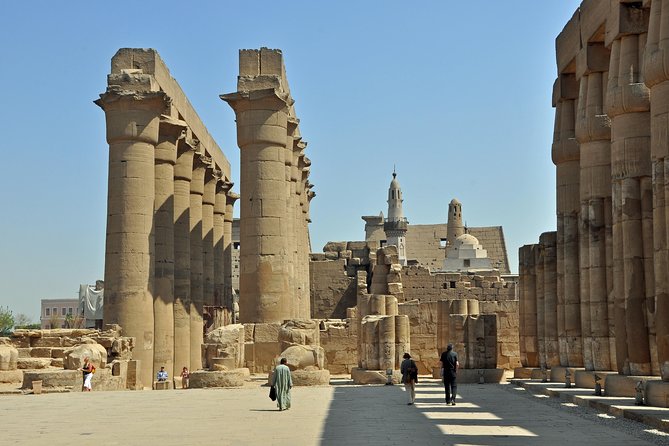
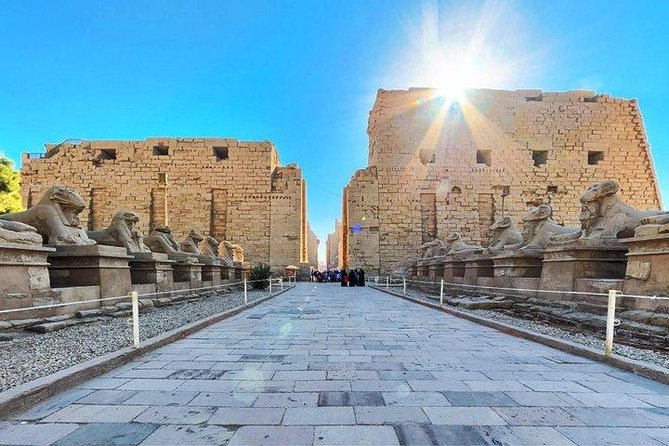
Karnak receives about two hours, and that is sensible. The complex is not one single temple in the usual sense. It is a large group of temples, halls, columns, and sacred buildings developed over many centuries, from the Middle Kingdom through the Roman period.
The main focus is the precinct of Amun, also known as Amun-Ra. The wider complex also relates to Mut, his wife, and Khonsu, their son, the three members of the Theban triad. That long building history explains why Karnak can feel less like one finished monument and more like a city of sacred architecture.
The Great Hypostyle Hall is the obvious crowd-pleaser, with its forest of massive columns. But try not to treat Karnak as a quick stop for one photograph. The pleasure is in seeing how the spaces connect: gateways, courts, columns, and carved surfaces that carry the names and ambitions of different rulers.
Your guide can help separate the religious functions from the royal propaganda. Without that context, the site can become a blur of stone. With it, you begin to see how pharaohs added their own marks to an already sacred place.
Karnak is paid admission, and the tour does not include the ticket. The complex is large enough to require steady walking, and two hours can feel short if you want every inscription explained. Still, this is a good use of time. It is the most expansive site on the East Bank and one of the places where a private guide can save you from wandering without a plan.
Luxor Temple after the day’s biggest sites
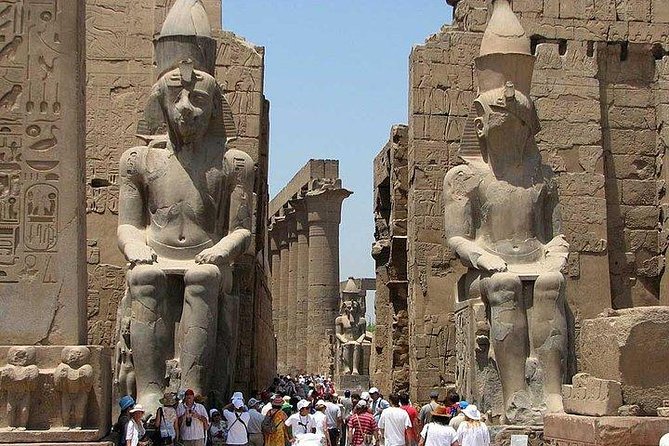
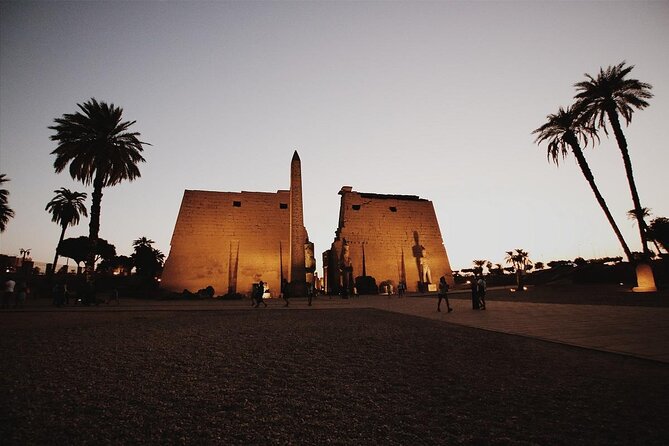
The final major visit is Luxor Temple, with about 90 minutes scheduled. Located on the East Bank in modern Luxor, the temple was founded around 1400 BC and expanded by rulers including Amenhotep III and Ramesses II. Thutmose III also contributed to the complex.
Luxor Temple was linked to the Theban triad of Amun-Ra, Mut, and Khonsu. Its purpose and design changed over time, but the surviving courtyards, columns, statues, and gateways make it easier to read than some larger sites.
I like this placement in the route. After Karnak’s size, Luxor Temple feels more contained, even though it remains grand. The contrast helps you appreciate that these were connected religious centers, not unrelated piles of ancient stone.
The scheduled 90 minutes should give you time for the main architectural points and photographs. Again, admission is extra. Because this is near the end of a long day, you may find yourself paying more attention to the guide’s strongest stories than to every carved detail. That is perfectly reasonable. Save some energy for the return drive and for getting back to your hotel or Nile cruise.
Timing, transport, and guide style
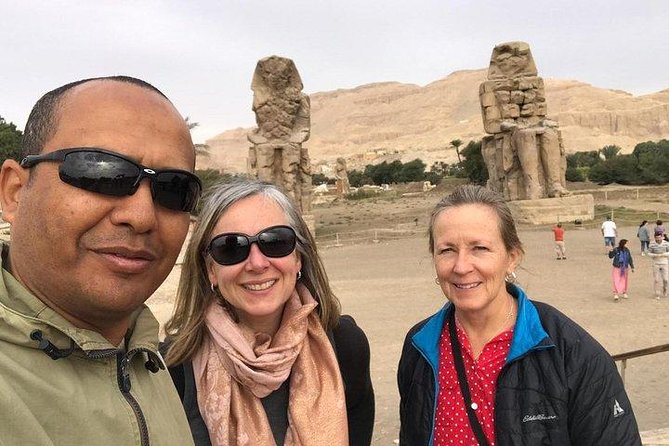
Pickup is offered from your hotel or Nile cruise, with a 7:00 am start. The experience includes transfers in a private air-conditioned vehicle and one bottle of water. The final transfer back to your Luxor accommodation is listed at about 15 minutes.
The schedule is tight but logical. The total advertised duration is around eight hours, while the stop times add up to more than that, so treat the itinerary as an approximate plan rather than a promise of exact minutes. Traffic, site queues, heat, and your own pace can all affect the finish.
Guide quality is central to this tour. Laila is repeatedly praised for clear English, patience, careful organization, help with photographs, and the ability to adapt when a member of the group needs to rest. Mohamed Noor is also singled out for taking time at the Valley of the Kings and explaining the tombs clearly. You can request a guide when booking, but the supplied details do not promise a particular person.
There is one practical caution. One account raises concern about strong pressure to spend extra money during the day. Since entrance fees are openly excluded and tipping is separate, be clear about what is optional and what is required. A simple question at the start, asking the guide to explain all extra costs before you pay them, can prevent confusion.
Who should book this Luxor day?
This tour suits you if you have one full day in Luxor and want the major West and East Bank sights without arranging separate transport. It is also a good fit if you value explanation, want a private vehicle, or are traveling with family members who may need occasional rest.
It is less suitable if you prefer slow museum-style visits or want to spend half a day at one site. The route covers a lot, and some stops are necessarily brief. People who dislike early starts, heat, walking, or additional ticket costs should plan carefully.
You should also carry a snack. One direct account calls the day long, and that is fair. Food is not listed as included. Water, sun protection, and comfortable footwear are practical necessities, not extras.
Free cancellation is available if you cancel at least 24 hours before the local start time. Inside that window, the payment is not refunded, and changes are not accepted. The experience also depends on good weather. If poor weather causes cancellation, you are offered another date or a full refund.
Should you book it?
Book this tour if your priority is maximum Luxor coverage in one private day. The route includes the Valley of the Kings, Hatshepsut, Medinet Habu, Karnak, and Luxor Temple, with a guide to connect the monuments rather than leave you to guess what you are seeing.
Before paying, confirm the pickup point, the guide assigned, and the likely entrance fees. Request Laila or Mohamed Noor if possible, and make clear that you want a well-paced day without pressure to buy anything beyond the listed tickets and a normal tip.
At $85 per person, the package can offer solid value for transport and guiding, but it is not an all-inclusive price. If you accept the long schedule and budget for admissions, this is a practical way to see the heart of ancient Thebes.
FAQ
Where does this tour start?
The tour starts at 7:00 am, with pickup offered from your hotel or Nile cruise.
How long does the experience last?
The tour lasts approximately eight hours, though the listed visit times add up to slightly more than eight hours before allowing for transfers and changes during the day.
Is the tour private?
Yes. Only your group participates in this private tour or activity.
Which sites are included in the route?
The route includes the Valley of the Kings, Hatshepsut’s temple at Deir el Bahari, the Colossi of Memnon, Medinet Habu, Karnak Temple, and Luxor Temple.
Are entrance tickets included?
No. Entrance fees are not included in the tour price.
What is included in the $85 price?
The price includes private air-conditioned transfers, one bottle of water, pickup and return to your hotel or Nile cruise, and a qualified English-speaking Egyptologist guide.
Can I cancel for a full refund?
Yes, if you cancel at least 24 hours before the experience start time. Cancellations or changes made within 24 hours are not refunded, while a weather cancellation offers another date or a full refund.
Just added in Cairo
- White Desert Overnight Camping Sharing Tour in Egypt★ 5.0 · 15 reviews
- Cairo Best 2Days tour Pyramids, Saqqara & Old Cairo★ 5.0 · 15 reviews
- Giza Pyramids with (GEM) Grand Egyptian Museum★ 5.0 · 42 reviews
- visit the pyramids of Giza + the necropolis of Saqqara + the Memphis site.★ 4.5 · 20 reviews
- Tour to Giza pyramids Memphis Sakkara and Felucca on the Nile★ 5.0 · 16 reviews
- Private Giza pyramid,sphinx, Mummification temple& inside pyramid★ 5.0 · 32 reviews
- Monastery St Simon with Cave Church and Garbage City Private Tour★ 5.0 · 15 reviews
- sunset at Giza pyramids by camels★ 5.0 · 31 reviews
Valley of the Kings & Luxor West Bank, compared.
Luxor Valley of the Kings & Tutankhamun Tomb Trip
Read our review →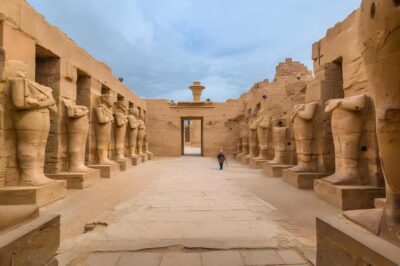
Luxor Day Trip from Hurghada Small Group & Tutankhamun Tomb
Read our review →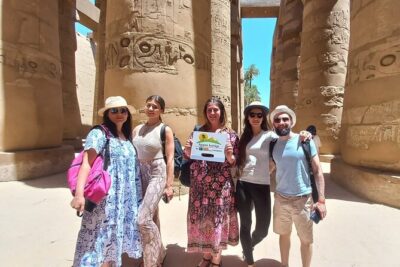
Small group Hurghada to Luxor, Valley of the Kings by Van
Read our review →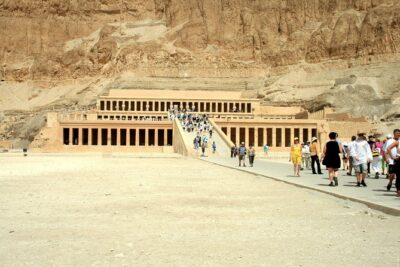
Luxor Day Tour: Valley of Kings & Queens & Hatchepsut Temples
Read our review →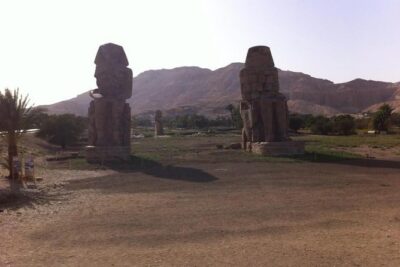
Full Day Tour to East and West Banks of Luxor
Read our review →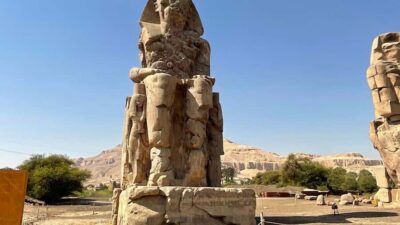
Valley of the Kings and Hatshepsut Temple Day Tour
Read our review →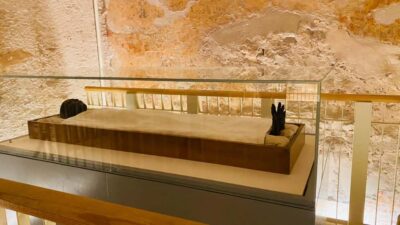
Luxor Tour with Valley of Kings, Karnak & Tut Tomb
Read our review →
Small-Group Luxor Highlights & Tut Tomb Day Tour
Read our review →Browse the lists this tour appears in