Reviewed · TOURS IN CAIRO
Private 11-Days Egypt Spiritual Tour and Luxury Sacred Journey
Egypt is at its most rewarding when the logistics are handled for you, and this private 11-day journey takes care of nearly every moving part. You fly between Cairo, Aswan, and Luxor, travel by private vehicle, sleep in upscale hotels, and cruise the Nile while an Egyptologist explains what you are seeing.
I especially like the sunset felucca ride in Aswan and the full day on Luxor’s west bank, where the Valley of the Kings, Tutankhamun’s tomb, Hatshepsut’s temple, and the Colossi of Memnon fit into one carefully arranged outing. The main consideration is pace: with domestic flights, long road trips, temples, and several hotel changes, this is a full Egypt program rather than a slow retreat.
Key points to know before booking
- Private throughout: Your group has its own guide, air-conditioned vehicle, airport assistance, and scheduled transfers.
- A true Nile itinerary: Three nights on a luxury cruise connect Aswan, Kom Ombo, Edfu, and Luxor.
- Spiritual themes at ancient sites: The program links temples and monuments with chakra concepts, meditation, rebirth, healing, and personal purpose.
- Major sights are included: Abu Simbel, the Great Pyramid’s King’s Chamber, the Sphinx, Karnak, the Egyptian Museum, and the Valley of the Kings are all covered.
- Good support for first-time visitors: Airport meet-and-assist service, a free SIM card with 7GB of internet, bottled water, and 24/7 on-call support reduce daily friction.
- Strong service record: The most praised elements are attentive airport help, careful handling of meals and hotels, prompt responses, and guides such as Ahmed and Mohamed.
The right kind of luxury for Egypt
At $3,648 per person, this is not a budget tour. But the price covers much more than sightseeing. You receive domestic flights, private transport, two Cairo hotel stays, an Aswan hotel, two nights in Luxor, three nights on a luxury Nile cruise, meals, entrance fees, guide service, airport assistance, and bottled water.
That package can be good value if you want a ready-made trip and do not want to negotiate taxis, arrange train or air connections, or work out how to reach distant sites such as Abu Simbel. Egypt is a place where a reliable driver and an organized local team can save you time and stress.
The luxury label needs a little context. The hotels are described as five-star properties, including Le Meridien Cairo Airport and Cairo’s Marriott Mena House. The cruise is also described as five-star, but cruise cabins and onboard service can vary by sailing date and vessel. Ask for the exact hotel and ship names before paying if those details matter to you.
The food plan includes 10 breakfasts, nine lunches, and seven dinners. Extra meals and drinks are not included, and tips for guides, drivers, and cruise staff are separate. Build those costs into your budget.
A few more things to do in Cairo worth a look
- Cairo: Pyramids & Great Sphinx Private Tour with Camel Ride
★ 4.9 · 6,335 reviews - Cairo 8 Hour Private Tour of Pyramids, Egyptian Museum and Bazaar
★ 5.0 · 2,931 reviews - Private ViP all-inclusive Giza Pyramids,Sphinx,Inside Pyramid
★ 5.0 · 2,448 reviews
Days 1 and 2: Cairo arrival, then Aswan and Philae
Your trip begins at Cairo International Airport, where a representative meets you and helps with the arrival process before taking you to Le Meridien Cairo Airport. This is a practical first night after an international flight. You are close to the airport rather than being pushed into central Cairo late at night.
The next morning, you fly to Aswan. The change is important. Cairo is a huge city, while Aswan feels more closely tied to the Nile and the desert setting around it. Your first major visit is Philae Temple, reached as part of a private tour and dedicated to Isis, the goddess associated with love, motherhood, and peace.
The spiritual program describes Aswan as a place of new birth and connects it with a root chakra. That is a modern spiritual interpretation, not the standard archaeological reading of ancient Egyptian religion. If you enjoy symbolic travel, it gives the visit a personal focus. If you prefer conventional history, your Egyptologist can help separate ancient beliefs from contemporary meditation language.
Later, you take a felucca, the traditional Nile sailboat, around sunset. This is one of the most appealing parts of the schedule because it changes the pace. After airport transfers, a flight, and a temple visit, you have an hour on the river with no long explanation required. The ride is included without an extra admission charge.
Days 3 and 4: Abu Simbel, then the river cruise
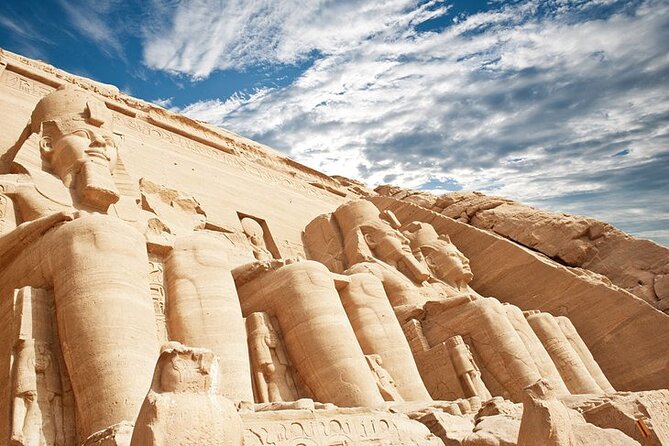
Abu Simbel is one of Egypt’s great set pieces, and reaching it by private vehicle makes the day more manageable. The temples were carved into the mountainside during the reign of Ramesses II. The larger temple honors Ramesses himself, while the smaller temple is dedicated to Queen Nefertari.
The drive takes effort, and the visit is scheduled for about three hours before returning to Aswan. Still, Abu Simbel is worth the long transfer for many people. The colossal seated figures at the entrance are memorable, and the interior reliefs give you a strong sense of royal power and religious symbolism.
Back in Aswan, you board the five-star Nile cruise for three nights. A cruise is an efficient way to see several temples without packing and unpacking every day. You also get a moving view of the river, with meals and accommodation traveling with you.
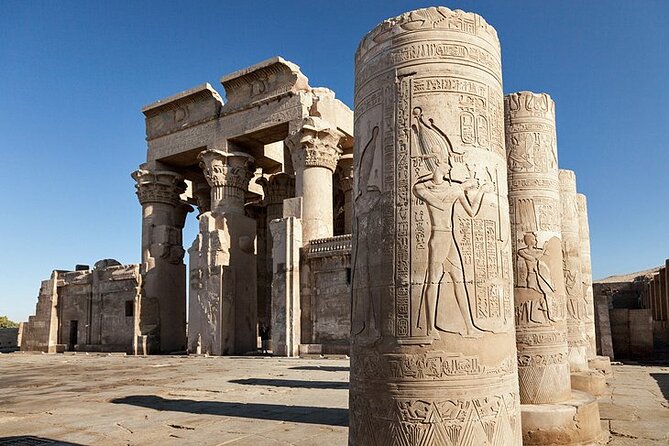
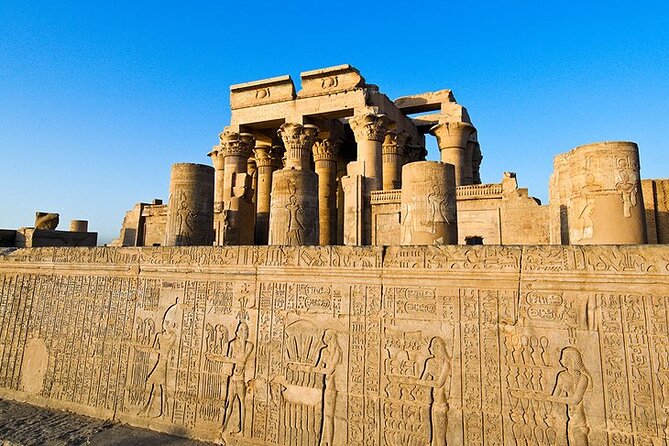
At Kom Ombo, the program presents a contrast between Sobek, the crocodile god, and Ra-Horakhty, a falcon-linked solar deity. The spiritual explanation frames the temple as a meeting point between the lower and higher self, with fear and negativity as the themes to release. Again, this is a present-day wellness lens placed over an ancient site. It may appeal to you if reflection is part of your reason for visiting Egypt, but it should not replace the temple’s historical context.
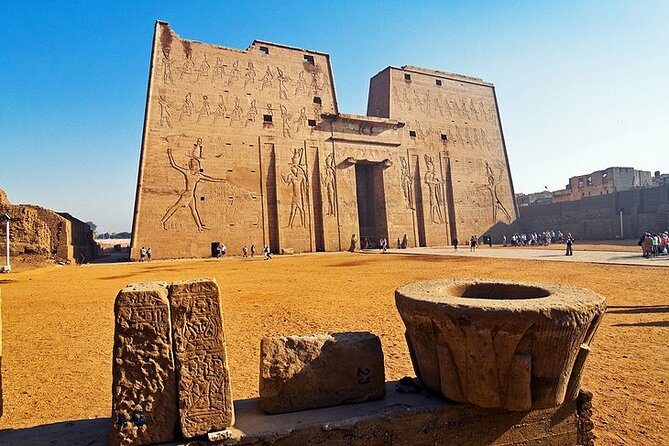
Edfu Temple, dedicated to Horus, follows the river journey. The walls preserve scenes from the conflict involving Isis, Osiris, Horus, and Seth. This is one of the better places on the route for seeing a large temple with extensive reliefs and a strong connection to Egyptian myth.
Days 5 and 6: Karnak, Luxor, and the royal tombs
Karnak is the largest temple complex on the trip and deserves the generous three-hour visit scheduled here. Columns, courtyards, gateways, and carved surfaces make it difficult to take in quickly. The program gives special attention to Sekhmet, the lioness goddess connected with war and healing, and includes the seven gates associated with her temple.
That spiritual focus may be the most unusual part of the tour. It turns a monument into a guided meditation space, but it also means your experience depends heavily on the guide’s ability to balance symbolism with archaeology. Ask questions. A good Egyptologist should be able to explain both what the ancient Egyptians believed and how the modern spiritual interpretation is being used.
Luxor Temple follows Karnak. The two sites are close enough to combine, but this is a demanding day. By the time you reach Luxor Temple, you may appreciate a clear, short explanation rather than another flood of dates and names. The tour links Luxor Temple with the body’s third chakra and its energy centers, while the temple’s ancient purpose included royal rituals and religious ceremonies.
On Day 6, you leave the cruise and visit the west bank. The Valley of the Kings contains tombs built for rulers and powerful nobles of the New Kingdom over several centuries. Entrance to selected tombs is included, along with a visit to KV62, the tomb of Tutankhamun.
Tutankhamun’s tomb is small compared with some royal burial sites, and the visit is brief at about 20 minutes. Its importance comes from the discovery of the young king’s largely intact burial treasures, many of which are now associated with the Egyptian Museum in Cairo. The tomb itself can feel crowded, so do not expect a long, quiet meditation there.
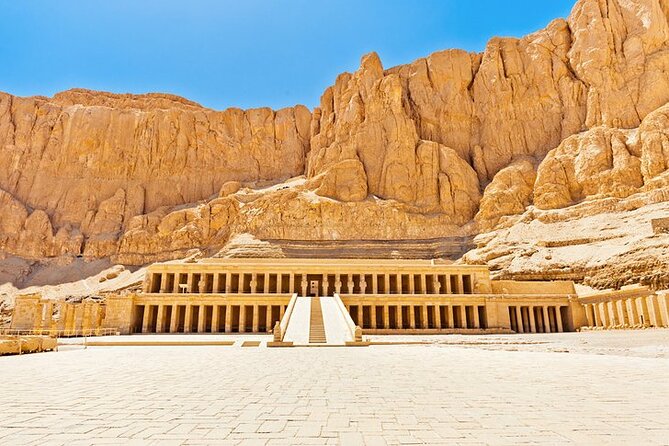
Hatshepsut’s temple is a sharp change from the valley’s dark tomb entrances. Its terraces rise against the cliffs, and the design makes strong use of long horizontal lines and open space. The final stop is the Colossi of Memnon, two giant seated statues that take only about 20 minutes to see.
You then have lunch at a local restaurant and check into your Luxor hotel. This day covers a lot, but the private vehicle helps. You are not waiting for a large group to load, and the schedule can be managed around the heat and your walking speed.
Same base, a different sort of day:
- Tour to Giza Pyramids and The Egyptian Museum
★ 5.0 · 6,016 reviews - VIP All inclusive Best of the best Giza Pyramids,Sakkara,Memphis
★ 5.0 · 3,164 reviews - From Cairo: Pyramids of Giza, Sphinx, Saqqara & Memphis Tour
★ 4.7 · 3,110 reviews - Cairo: Pyramids, Sakkara & Memphis Tour with Lunch
★ 4.6 · 2,493 reviews
Day 7: Dendera and Abydos, the longer road day
Dendera Temple of Hathor is among the best-preserved complexes on this route. Hathor is associated with love, music, joy, and motherhood, while the spiritual program connects the temple with the heart chakra. The reliefs and ceiling details make this a rewarding stop for anyone interested in Egyptian temple decoration, not only those following the chakra theme.
A private vehicle is essential here because Dendera and Abydos require a longer road excursion from Luxor. The schedule gives about two hours to Dendera and another two hours to the Osireion and Abydos area, with lunch before returning to the Luxor hotel.
Abydos was an important sacred city, and the Osireion is presented as a place of rebirth, healing, and transformation. This is another place where the tour asks you to look at an ancient religious setting through a modern personal-growth lens. You may find that meaningful, but expect a long day on the road and plan comfortable clothing and sensible footwear.
Day 8: Back to Cairo and a free afternoon
After breakfast, you fly from Luxor to Cairo and transfer to the Marriott Mena House. The afternoon is free, which is welcome after several days of temples and road travel.
The Mena House location is especially appealing for anyone who wants a hotel view connected with the Giza pyramids, though the exact room view depends on the booking. This is a good point in the itinerary to rest, use the hotel facilities, or simply let the scale of the previous week settle in.
Day 9: Saqqara, Giza, and the King’s Chamber
Saqqara begins the day with a focus on knowledge, communication, and Thoth, the ancient god associated with wisdom and writing. The program connects the site with the throat chakra and personal expression.
Historically, Saqqara is best known as a major cemetery area and the home of the Step Pyramid of Djoser. The supplied schedule does not give a separate visit time for the Step Pyramid by name, so confirm exactly which Saqqara monuments are included before you go.
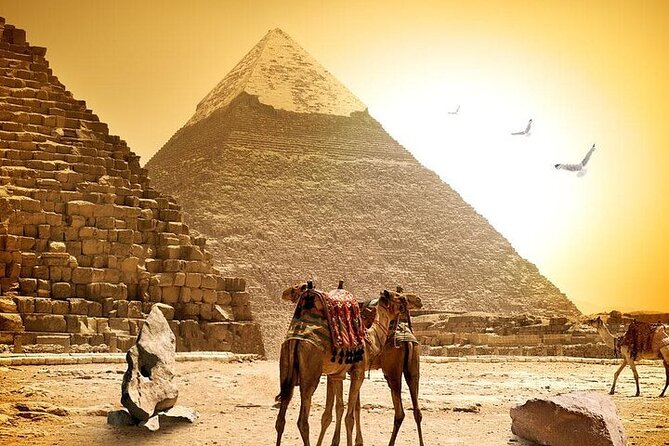
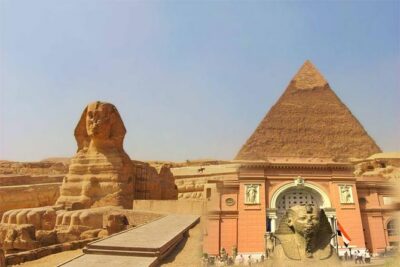
At Giza, the tour includes the Great Pyramid, the King’s Chamber inside Khufu’s pyramid, and the Sphinx. The King’s Chamber visit is a notable inclusion because some programs charge extra or leave it out. The space is plain, enclosed, and reached by interior passages, so it may be more physically demanding than the outside view suggests.
The tour adds a meditation inside the Great Pyramid and connects it with the third-eye chakra. This is an important distinction: the meditation is part of this spiritual program, while the pyramid’s ancient purpose was a royal burial monument. You can appreciate both ideas without treating them as the same claim.
The Sphinx gets about 30 minutes. That is enough for the main viewing area and photographs, but not for a slow, detailed study of every feature. Lunch at a local restaurant follows before returning to the hotel.
Day 10: Cairo’s museum, citadel mosque, and Coptic churches
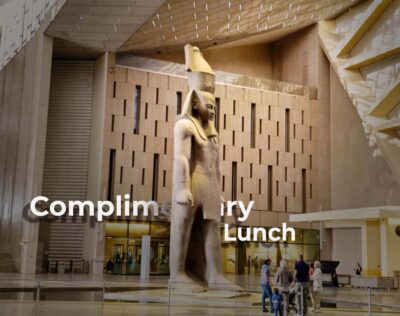
The Egyptian Museum gets three hours, giving you time for a useful introduction to pharaonic art and burial customs. The collection includes important objects from King Tutankhamun’s tomb, along with many other major pieces.
Museum displays can feel overwhelming because there is so much to see. Use your guide to choose priorities rather than trying to read every label. Three hours is substantial, but it will not cover every room in depth.
The Mosque of Muhammad Ali sits within the Cairo Citadel and is known for its Ottoman-era design and alabaster surfaces. It gives the itinerary a needed change of era and faith. You move from pharaonic religion to Islamic Cairo, then on to the city’s Coptic Christian quarter.
The Hanging Church is dedicated to the Virgin Mary and is traditionally associated with the Holy Family’s time in Egypt. Abu Serga, also called the Church of Saints Sergius and Bacchus, carries a similar tradition and is scheduled for about 30 minutes.
These churches are not just quick photo stops. They show how Cairo’s religious story continued long after the pharaohs. Modest clothing and respectful behavior are sensible at the mosque and churches.
Service, guides, and the private format
The strongest practical feature is the level of handling. The company provides airport representatives, private vehicles, domestic flight transfers, and on-call support at all hours. Several guide names are associated with the operation, including Mohamed, Ahmed, and Haris, and the most praised personal qualities are patience, clear explanations, humor, and careful attention to individual needs.
The private format is especially useful in Egypt. You can ask your guide to slow down at a relief, explain a confusing dynasty, or give you a little breathing room at the end of a long morning. You are also not sharing the vehicle with a large mixed group.
The tradeoff is that private tours can still feel tightly scheduled when the route itself is ambitious. Do not confuse private with leisurely. This itinerary covers nearly every major stop between Cairo and Aswan, so bring comfortable shoes and expect early starts, airport procedures, and warm outdoor visits.
The tour provides a free SIM card with 7GB of internet and unlimited bottled water during tours and meals. Gluten-free meals have been handled successfully in the past, but you should state dietary needs clearly before arrival and confirm them with each hotel and the cruise.
Should you book this Egypt spiritual tour?
Book it if you want Egypt’s major sights with private handling, a luxury hotel base, a Nile cruise, and a spiritual program that gives each site a personal theme. It is particularly suited to first-time visitors who want airport help, prearranged flights, private transport, and a guide available throughout.
Think twice if you want long free afternoons, independent wandering, or a purely archaeological tour. The chakra language, meditation, and healing themes are central to the design, not a small extra.
At $3,648, the value is strongest for someone who would otherwise spend heavily on private guides, domestic flights, hotels, transfers, cruise arrangements, and entrance fees. Confirm the exact hotels, cruise ship, room categories, and meal arrangements before booking. If those details fit your expectations, this is a well-supported way to see a very large portion of Egypt in 11 days.
FAQ
Where does the Egypt spiritual tour begin?
The tour begins at Cairo International Airport in Heliopolis, Cairo, where a representative provides meet-and-assist service.
How long does the tour last?
The experience lasts approximately 11 days.
Is this a private tour?
Yes. Your group receives private tours and private air-conditioned transportation, and no other group participates in your activities.
Which domestic flights are included?
The package includes flights from Cairo to Aswan and from Luxor back to Cairo.
How many nights are spent on the Nile cruise?
The package includes three nights on a five-star luxury Nile cruise.
Are meals included?
Yes. The package includes 10 breakfasts, nine lunches, and seven dinners. Extra meals and drinks are not included.
What is not included in the price?
International flights, Egypt’s entry visa, extra meals and drinks, and gratuities for guides, drivers, cruise staff, and other service personnel are not included.
Just added in Cairo
- White Desert Overnight Camping Sharing Tour in Egypt★ 5.0 · 15 reviews
- Cairo Best 2Days tour Pyramids, Saqqara & Old Cairo★ 5.0 · 15 reviews
- Giza Pyramids with (GEM) Grand Egyptian Museum★ 5.0 · 42 reviews
- visit the pyramids of Giza + the necropolis of Saqqara + the Memphis site.★ 4.5 · 20 reviews
- Tour to Giza pyramids Memphis Sakkara and Felucca on the Nile★ 5.0 · 16 reviews
- Private Giza pyramid,sphinx, Mummification temple& inside pyramid★ 5.0 · 32 reviews
- Monastery St Simon with Cave Church and Garbage City Private Tour★ 5.0 · 15 reviews
- sunset at Giza pyramids by camels★ 5.0 · 31 reviews
Tours in Cairo, compared.
Pyramids & Great Sphinx Private Tour with Camel Ride
Read our review →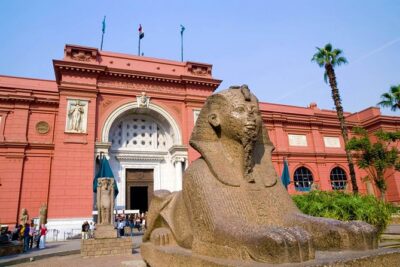
Tour to Giza Pyramids and The Egyptian Museum
Read our review →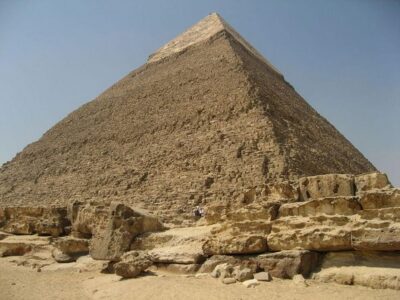
VIP All inclusive Best of the best Giza Pyramids,Sakkara,Memphis
Read our review →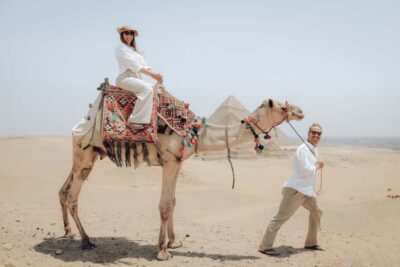
Pyramids of Giza, Sphinx, Saqqara & Memphis Tour
Read our review →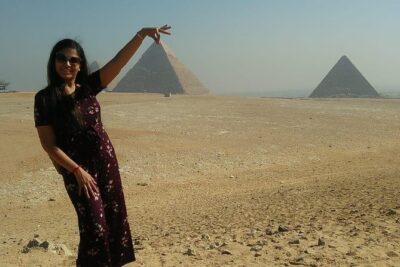
Cairo 8 Hour Private Tour of Pyramids, Egyptian Museum and Bazaar
Read our review →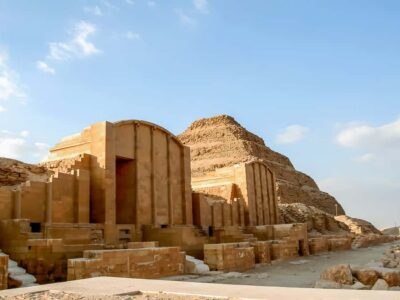
Private ViP all-inclusive Giza Pyramids,Sphinx,Inside Pyramid
Read our review →