
Reviewed · SCUBA DIVING
PADI Open Water Diver Course in Hurghada – Learn Scuba Diving
Hurghada is a strong place to earn your first scuba qualification because this course gives you six supervised underwater sessions instead of squeezing everything into one rushed day. You’ll work through the PADI video, manual, safety exercises, and open-water practice over three days, with access to the Red Sea’s well-known marine setting once your basic skills are secure.
I like the small maximum group of four, which matters when you are learning tasks such as clearing a mask or managing your air supply. I also like the practical support: private transport, equipment, and bottled water are included. The main catch is cost clarity. The advertised price is $482.16, but PADI materials and certification add £140 per person, and lunch is described as included in the highlights but does not appear in the formal inclusions list.
The instructors named in the course feedback include Steve, Emma, Wessam, and Magot. Emma is especially noted for her patient work with younger students, while Steve is praised for clear pre-arrival communication and a cautious approach to safety. Confirm your pickup point carefully, too, since the course is described as being in Hurghada while the supplied location is listed as Cairo.
Key points at a glance
- Three full training days: You progress from classroom preparation to shallow-water skills, then supervised exploration.
- Six in-water sessions: Two sessions are planned on each day, with later outings becoming more site-focused.
- Small groups of up to four: You should receive more direct help than in a large class.
- Equipment is supplied: You do not need to bring scuba gear, though PADI materials and certification cost extra.
- Private transport and bottled water: Pickup is offered, making the morning easier to manage.
- A recognised entry qualification: Successful completion allows scuba descents to 18 metres, or 59 feet, within the limits of the PADI Open Water certification.
What the three-day PADI course actually teaches
This is not a quick introductory swim with a tank. It is a structured entry course designed to qualify you as a PADI Open Water Diver, allowing you to scuba dive to 18 metres once you complete the required work.
The course has three main parts: watching a training video, reading the PADI manual, and practising skills in the water. That combination is useful because scuba is not only about looking at fish. You need to understand equipment, safety procedures, breathing, buoyancy, and what to do when something feels wrong.
The course information does not spell out every individual skill, so you should expect the instructor to explain the exact sequence. The first practical work takes place in shallow water, where you can focus on the basics under close supervision. That is a sensible start for anyone who feels nervous about breathing underwater.
I like the steady progression. You are not expected to arrive as a natural underwater athlete. You learn, practise, repeat, and then move farther into the open-water setting when your instructor considers you ready.
Other dives booked in Cairo:
- Hurghada: Full-Day Diving Tour with Lunch & Two Dive Sites
★ 5.0 · 82 reviews - Discover Scuba Diving
★ 5.0 · 1,676 reviews - Sharm El Sheikh: Ras Mohamed & White Island Dive & Snorkel
★ 4.9 · 1,280 reviews
Day one: video work and two shallow-water sessions
The first day begins at about 8:00 am. Private transport is offered, but confirm the exact pickup arrangements before you travel, particularly because the supplied information names Cairo as the location while the course itself is repeatedly described as taking place in Hurghada.
Your first task is to watch the PADI video with your instructor. This gives you the basic ideas needed before handling the equipment in the water. You will also work through the PADI manual as part of the course, although the supplied price information says the manual and certification are paid separately.
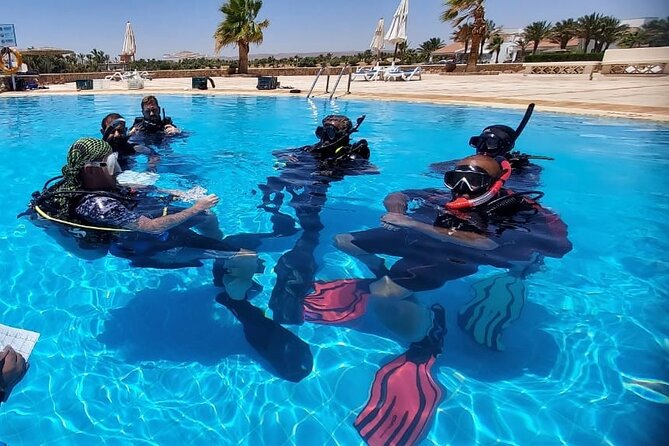
The two sessions on day one focus on a set of skills in shallow water. This is where the small group matters most. With no more than four students, the instructor has a better chance of seeing how each person is coping, correcting problems early, and giving extra explanation when needed.
For a first-time student, shallow water can make a large psychological difference. You can concentrate on breathing and equipment without also worrying about depth. You should still expect the work to be tiring. Learning to stay calm, follow instructions, and manage unfamiliar gear requires attention.
Do not treat the first morning as a sightseeing outing. The underwater scenery is part of the appeal, but the priority is learning safe habits. The course is designed to let you enjoy the marine setting after you show that you can manage the basic tasks.
Day two: repeating skills before exploring more
Day two repeats the skills introduced on the first day, then begins to place more attention on the actual sites. Repetition is not wasted time here. In scuba training, a skill that seems simple on land may feel different once you are wearing equipment and concentrating on breathing.
You will complete two sessions on this day. The plan is to move from practice toward exploration as you become safer and more capable. That gives you a better chance of enjoying the Red Sea instead of spending the entire course staring at your gauges and trying to remember the next instruction.
The exact sites are not named, so do not book this expecting a guaranteed wreck, reef, or particular animal. A few course participants have been able to see a wreck during their qualification, but that should be treated as a possibility rather than a promise.
This is also the point when you can judge the teaching style. Steve is praised for careful communication before arrival and a safety-first approach. Emma is described as patient and adaptable, including with younger students. Wessam is also singled out for making the process clear and enjoyable. Your instructor may vary, so it is sensible to ask who will lead your group.
Day three: final skills, site time, and the exam
The final day completes the remaining skills and includes two more underwater sessions. By this stage, the schedule is meant to give you more time at the sites, provided you are safe and competent.
The course finishes with a small exam. Passing it, along with completing the required practical work, leads to PADI Open Water certification. The qualification permits scuba descents to 18 metres, or 59 feet, within the rules and limits of that certification.
That depth limit is important. This is an entry-level qualification, not a licence to go anywhere at any depth. You will have completed a useful first step, but you will still need experience and possibly further training before attempting more demanding conditions.
I appreciate that the course spreads the work over three days. It gives you time to absorb the theory, practise skills, and build confidence. The trade-off is that this will take a meaningful portion of your holiday. If you only want one short underwater outing, this course is more commitment than you need.
Same base, a different sort of day:
- Cairo: Pyramids & Great Sphinx Private Tour with Camel Ride
★ 4.9 · 6,335 reviews - Tour to Giza Pyramids and The Egyptian Museum
★ 5.0 · 6,016 reviews - VIP All inclusive Best of the best Giza Pyramids,Sakkara,Memphis
★ 5.0 · 3,164 reviews - From Cairo: Pyramids of Giza, Sphinx, Saqqara & Memphis Tour
★ 4.7 · 3,110 reviews
Why a four-person group can improve the learning
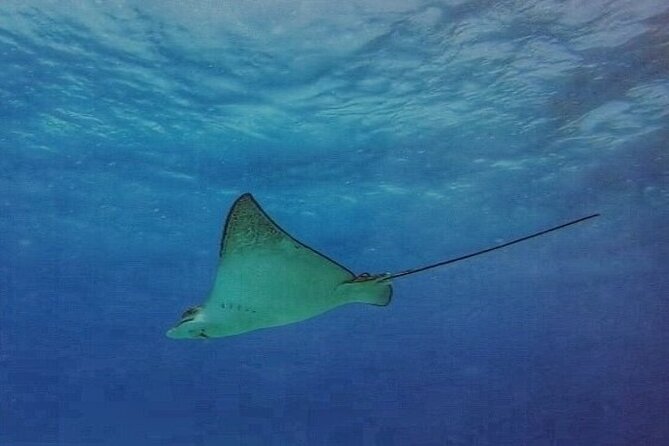
A group limit of four students is one of the strongest features here. Scuba skills are personal. One student may need extra time with a mask exercise, while another may be ready to move ahead. A small class makes it easier for the instructor to keep track of those differences.
The size also helps if you are anxious. One participant completed the course after struggling with confidence, and the teaching approach was described as clear and supportive. That does not guarantee that every student will feel relaxed, but it suggests the instructors are used to adjusting their pace.
Families should ask about age requirements before booking. The supplied information includes successful junior courses for children aged 10 and 13, but it does not state the current minimum age for this particular booking. Service animals are allowed, and most people can participate, though the information does not give a detailed medical or fitness checklist.
Be honest about any health concern when you book. The course involves physical activity and underwater equipment, so your instructor needs accurate information before training begins. Do not assume that a previous trial session automatically means you are ready for certification.
Equipment, transport, water, and the lunch question
Scuba equipment is included, which keeps packing simple and avoids the cost of hiring a separate set of gear. Bottled water is also provided. Private transport is offered, a useful touch for an early start and for anyone unfamiliar with Hurghada.
Lunch is less clear. The highlights say lunch is included, but the formal inclusion list names only scuba equipment, bottled water, and private transport. I would ask the operator to confirm whether lunch is included on all three days, what it consists of, and whether special dietary needs can be handled.
You should also confirm the starting location. The activity is presented as a Hurghada course, yet the supplied location field says Cairo. That may be an administrative error, but it is too important to ignore. Get the pickup address and hotel coverage in writing before paying.
The course offers a mobile ticket and booking confirmation at the time of purchase. Free cancellation is available up to 24 hours before the start time. Changes or cancellations inside that period are not accepted for a refund, and poor weather may lead to a new date or a full refund.
Is $482.16 a fair price?
The listed price is $482.16 per person, before the additional £140 charge for PADI materials and certification. That makes the real cost higher than the headline figure, so budget for both amounts rather than treating the certification fee as a surprise extra.
Still, price alone does not tell the whole story. You are paying for a three-day course, six supervised sessions, equipment, bottled water, and private transport. The four-person limit is particularly valuable if you want personal instruction rather than a crowded class.
The value is weaker if you already hold the qualification or only want a casual introduction. In that case, a shorter introductory session may suit you better. The course makes the most financial sense if you genuinely want a recognised PADI qualification that you can use for scuba trips elsewhere.
The strongest practical advantage is the support before and during the course. Steve is praised for answering questions before arrival and keeping communication clear. That can matter as much as the underwater setting when you are arranging a qualification abroad.
Who will get the most from this course?
This is best for a first-time student who wants proper instruction and plans to continue scuba after Egypt. It also suits someone who has started the PADI process at home and needs to complete the practical work in warmer water.
Families with older children may find the small class and patient instruction useful, but confirm age rules directly. The course has been used for junior certification, yet the supplied details do not establish every condition for children.
It is also a reasonable choice for a nervous beginner. The teaching team has helped students manage anxiety, and the shallow-water start gives you time to get used to the equipment. That said, no instructor can remove every challenge. You need to be ready to listen, practise, and say when you need more time.
This may not suit a tightly packed holiday schedule. Three mornings, an exam, and preparation work require real commitment. You should also leave room for the possibility that weather changes the schedule.
Small details that can make the course easier
- Ask about the instructor: Steve, Emma, Wessam, and Magot are all associated with the teaching team. Confirm who will lead your sessions.
- Clarify the extra fee: PADI materials and certification cost £140 per person, in addition to the listed booking price.
- Confirm lunch: It is described as included in one part of the information but omitted from the formal inclusions.
- Check the pickup area: The course is in Hurghada, while the location field says Cairo.
- Use the pre-arrival contact: The operator has been praised for clear communication, so ask your practical questions before departure.
- Allow flexibility: Bad weather can result in a different date or a refund.
Should you book the Hurghada PADI course?
I would book this if you want a genuine entry qualification, prefer a small class, and are happy to give three days to learning properly. The six sessions, private transport, supplied equipment, and instructors known for patient safety work create a sensible package.
I would not book until the location, lunch, and extra £140 fee are confirmed. Those details affect both your budget and your arrival plans. If the answers are clear and you want to continue scuba after Egypt, this looks like a worthwhile route into the sport. If you only want to try breathing underwater once, choose a shorter introduction instead.
FAQ
Where does the course take place?
The course is described as a PADI Open Water course in Hurghada, Egypt. The supplied location field says Cairo, so confirm the exact meeting or pickup location before booking.
How long does the course last?
The course lasts approximately three days.
What time does the course start?
The stated start time is 8:00 am.
How many underwater sessions are included?
The schedule includes two sessions on each of the three days, for six sessions in total.
What happens on the first day?
You watch the PADI video with your instructor and complete two sessions focused on skills in shallow water.
What happens on the second day?
You repeat the skills from day one, begin exploring the sites when you are safe and competent, and complete two more sessions.
What happens on the third day?
You finish the remaining skills, spend more time exploring the sites, complete two sessions, and take a small exam.
Is scuba equipment provided?
Yes. Scuba equipment is included.
Are PADI materials and certification included in the price?
No. PADI materials and certification cost an additional £140 per person, paid to the instructor.
Can I cancel for a full refund?
Yes, if you cancel at least 24 hours before the experience start time. Cancellations or changes made less than 24 hours in advance are not refunded. If poor weather causes the operator to cancel, you will be offered another date or a full refund.
Just added in Cairo
- White Desert Overnight Camping Sharing Tour in Egypt★ 5.0 · 15 reviews
- Cairo Best 2Days tour Pyramids, Saqqara & Old Cairo★ 5.0 · 15 reviews
- Giza Pyramids with (GEM) Grand Egyptian Museum★ 5.0 · 42 reviews
- visit the pyramids of Giza + the necropolis of Saqqara + the Memphis site.★ 4.5 · 20 reviews
- Tour to Giza pyramids Memphis Sakkara and Felucca on the Nile★ 5.0 · 16 reviews
- Private Giza pyramid,sphinx, Mummification temple& inside pyramid★ 5.0 · 32 reviews
- Monastery St Simon with Cave Church and Garbage City Private Tour★ 5.0 · 15 reviews
- sunset at Giza pyramids by camels★ 5.0 · 31 reviews
Scuba Diving, compared.
Snorkeling 6 x 1 to Orange Bay w Diving & Massage
Read our review →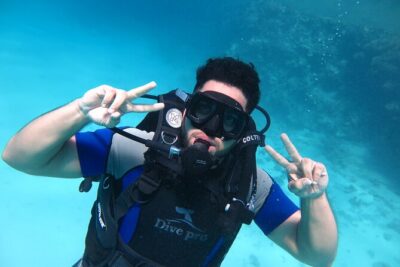
Intro Diving 2 Stops For Beginners with Pick-up and Lunch – Hurghada
Read our review →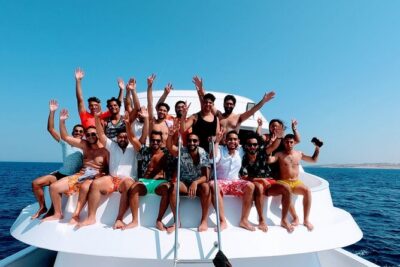
Intro Diving Beginner and Discover Red Sea Underwater
Read our review →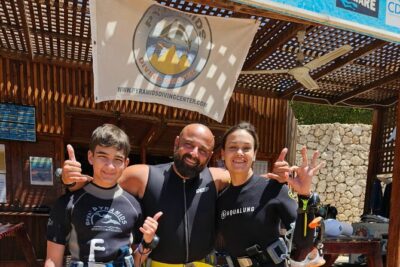
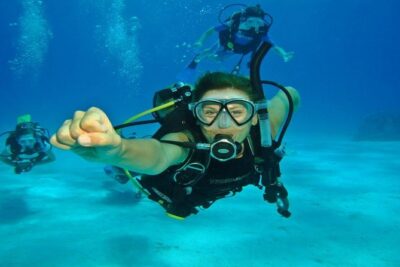
Scuba Diving Full Day Boat Trip for beginners With Lunch & Transfer – Hurghada
Read our review →
Red Sea Diving Trip from Hurghada: Beginner to Advanced Divers
Read our review →Browse the lists this tour appears in