
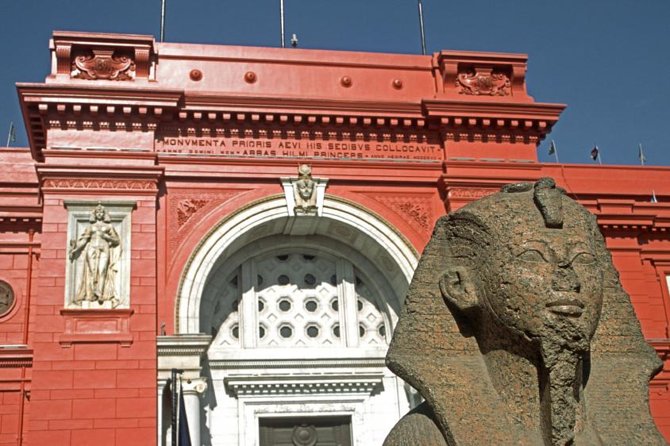
Reviewed · EGYPTIAN MUSEUM TOURS
Private Tour: Egyptian Museum
Tutankhamun’s solid-gold death mask is the star, but the real reward here is seeing it in context. A private Egyptologist can guide you past royal coffins, funeral goods, mummies, jewelry, daily objects, and Roman-era art without leaving you to make sense of thousands of pieces alone.
I like the private format, which lets you ask for more Tutankhamun, more mummies, or less ancient pottery if that suits you. I also like the hotel pickup and air-conditioned vehicle, a welcome help in Cairo traffic. The catch is time: the museum visit may feel closer to two hours than three, and a rushed guide can leave important rooms unseen.
Key points to know before booking
- Tutankhamun’s treasures lead the visit: See the famous gold mask, gilded coffins, chariot, and funerary objects.
- A private Egyptologist sets the pace: You can request certain collections and ask for explanations as you go.
- The museum is packed with objects: More than 165,000 Egyptian artifacts make a guide especially useful.
- The Royal Mummies Room costs extra: It adds the mummies of rulers such as Ramses II.
- Hotel pickup and drop-off are included: Transport is by private, air-conditioned minivan, with surcharges for some outlying areas.
- Allow for uneven timing: The tour is advertised at about three hours, but some visits inside the museum finish in roughly 90 minutes to two hours.
Why the old Cairo museum still matters
The Museum of Egyptian Antiquities in central Cairo is not a neat, modern display of a few famous objects. It is a vast, crowded collection covering ancient Egypt through the Roman era, with more than 165,000 artifacts.
That scale is both the museum’s charm and its problem. You can see royal sculpture beside ordinary tools, ornate jewelry beside funeral equipment, and Roman funerary paintings near much older Egyptian works. But labels can be small or brief, and the sheer number of rooms can leave you unsure where to begin.
That is where this private tour earns its keep. Your Egyptologist can create a route instead of marching you through every object. A good guide gives you the story behind a piece, points out what matters, and helps you understand how an object fits into Egyptian life or royal belief.
The collection is also in a period of change as major antiquities are being displayed at the Grand Egyptian Museum. Still, this central Cairo museum remains the place to see the famous Tutankhamun collection described here, along with a wide spread of objects from many periods.
Other museum visits people book in Cairo:
- Tour to Giza Pyramids and The Egyptian Museum
★ 5.0 · 6,016 reviews - Cairo 8 Hour Private Tour of Pyramids, Egyptian Museum and Bazaar
★ 5.0 · 2,931 reviews - Cairo: Grand Egyptian Museum, Pyramids, Sphinx Tour & Lunch
★ 4.7 · 2,282 reviews
Hotel pickup and the ride into central Cairo
The day begins with pickup at your hotel at about 9:00 a.m. You travel in a private, air-conditioned minivan, with transport back to your hotel after the visit.
This arrangement is useful in Cairo, where traffic can turn a short route into a slow one. A delayed arrival does not always mean poor planning. Traffic is a real part of getting around the city, and one guide, Kaled, was reported to have arrived late because of it.
Your guide should introduce the museum on the way and ask what you want to see. Take that opening seriously. Tell the guide if Tutankhamun is your main goal, if you want to focus on royal mummies, or if you would rather spend time on ordinary life and Roman Egypt.
The standard price is about $99.18 per person. Since the activity is private, the value depends partly on the size of your own group. A couple or family receives personalized attention, while a solo visitor may find the cost harder to justify than someone splitting it among several people.
The stated price includes the private vehicle, hotel pickup and drop-off, and an English-speaking Egyptologist. Lunch is included only when you select an option that includes it. Other guide languages cost an extra 1,000 Egyptian pounds, and pickup from 6th of October, New Capital, or Settlement areas carries a 1,000 Egyptian pound round-trip vehicle supplement per car.
Tutankhamun’s gold mask and funeral treasures
Tutankhamun’s collection is the clear centerpiece. You can expect to see the famous gold death mask, gilded coffins, a chariot, and other objects placed in the boy king’s burial equipment.
The gold mask needs no sales pitch, but it is more interesting when your guide explains its role in Egyptian burial belief. The same is true of the coffins and chariot. On your own, you might admire the craftsmanship and move on. With a good explanation, you begin to see these items as part of a carefully planned royal funeral, not simply as beautiful objects.
Several guides received especially strong praise for making the collection understandable. Fouad was described as bringing order to a disorganized museum and explaining the objects without overwhelming the group. Mohamed was praised for being both informative and funny, while Tariq was noted for patience and strong command of the subject. Ahmed was also singled out for his enthusiasm when explaining Egyptian history.
Those names are useful when you book, but a particular guide cannot be guaranteed from the information provided. The larger lesson is to ask for an English-speaking guide who will explain rather than simply point.
Tutankhamun is not the only reason to come. The collection includes furniture, jewelry, ritual objects, and everyday items. These less-famous pieces help you picture how people lived, worked, worshiped, and prepared for death.
Mummies, sarcophagi, and the Royal Mummies Room
The museum also displays mummies and sarcophagi from Egypt’s long royal past. These exhibits can be more affecting than the gold. You are looking directly at preserved rulers and at the methods used to prepare the dead for the next life.
The Royal Mummies Room is an optional extra-cost stop. It is climate-controlled and includes the mummies of major Egyptian rulers, including Ramses II. The supplied information also connects Ramses II with the temples at Abu Simbel and Karnak, giving your guide a natural opening to explain his reign and building projects.
If royal personalities and ancient burial practices interest you, I would budget for this room. If you are already near your limit after Tutankhamun, you can skip it and spend the remaining time on the main galleries.
One practical point: parts of the museum do not allow guides to accompany you. Your guide should brief you before you enter those areas, then meet you afterward or direct you to the next point. This can make the tour feel less continuous, but it is better than expecting a guide to speak in every room.
A few more things to do in Cairo worth a look
- Cairo: Female-Guided Pyramids, Sphinx & Museum City Tour
★ 4.8 · 1,614 reviews - Private tour to Giza Pyramids,Sphinx,Egyptian Museum with Local Lunch
★ 5.0 · 1,530 reviews - Best Private Giza Pyramids,Sphinx, New Grand Egyptian Museum
★ 4.5 · 1,056 reviews - Cairo: Egyptian Museum, Citadel, and Old Cairo Guided Tour
★ 4.7 · 853 reviews
Beyond the famous objects
The best private visits do not treat the museum as a greatest-hits display. Ask your guide to show you a few ordinary objects as well as royal treasures.
The collection includes everyday goods, tomb furnishings, jewelry, mummies, pharaonic sarcophagi, and Roman-era funerary paintings. These pieces show that ancient Egypt was not only pyramids and kings. There were also household routines, personal decoration, religious customs, trade, and changing artistic styles.
A private guide can adjust the balance. You might spend more time on the royal collection if this is your first visit, then use free time to wander through sections that interest you. Or you can ask to slow down and examine smaller objects that a large group would pass quickly.
The labels may not provide enough background, and in some areas they may be difficult to read because of the number of people in front of them. A guide is particularly valuable here. You can ask a direct question instead of waiting for a label to answer it.
The free time that makes the tour worthwhile
After the guided introduction, you receive time to explore at your own pace. This is an important part of the experience, so do not let the guide finish the main route and immediately move you toward the exit.
Use this time for the objects you noticed but did not have time to study. You may want another look at Tutankhamun’s mask, a quieter pass through the sarcophagi, or a second visit to a room your guide covered quickly.
The advertised duration is about three hours, but the actual museum portion has varied. Some accounts describe about two hours inside, while others report only 90 minutes after roughly 15 minutes of driving. Another visit covered the museum in about half a day.
That difference matters. When the guide meets you, confirm how much time remains and ask for free time if you need it. A private tour should give you some control, but the stated schedule is not a guarantee of a long, leisurely museum visit.
The papyrus stop after the museum
Following the museum, you may have the opportunity to visit a Papyrus Institute. The purpose is to learn about papyrus as an ancient writing material and art surface.
You can also buy papyrus scenes as souvenirs, but purchases are at your own expense. Treat this as an optional add-on, not a central reason to book the museum tour. If you want more museum time, ask how much time the papyrus visit will use before agreeing to it.
The tour then returns you to your hotel. Since the activity is private, your group has more room to discuss the day and adjust the pace than you would on a large scheduled bus tour.
How the guides shape the experience
The strongest part of this tour is not the vehicle or the ticket. It is the guide.
A strong Egyptologist gives you a clear route, explains why an object matters, and notices when you need a pause. Fouad, Mohamed, Tariq, Ahmed, Kaled, and Amged are among the guides praised for clear explanations, patience, humor, or careful planning. Amged and driver Naser were especially praised for making the visit accessible for a companion using a wheelchair.
But the experience can vary sharply. One guide was described as friendly but rushed, finishing in about 90 minutes. Another visitor felt hurried through the museum and missed important exhibits. I would make your expectations clear at the start: you want the major highlights, but you also want time to look.
The overall rating of 4.3 from 74 ratings suggests a generally strong experience with some real variation. The praise centers on guide quality, punctual pickup, tailored attention, and the value of having context. The complaints center on rushed visits, short museum time, and expected tipping.
Who gets the best value from $99.18
I think the price makes the most sense for a couple, family, or small group that wants a private vehicle and a guide focused only on them. It is also a good fit if you are visiting Cairo for the first time and do not want to spend your limited time sorting out the museum’s layout.
The price is less attractive if you only want to see Tutankhamun’s mask and leave. You can get more from the fee by asking questions, requesting a tailored route, and using the free time properly.
The English-language option offers the clearest value because it does not carry the 1,000 Egyptian pound language supplement. If you need another language, add that cost before comparing this tour with other options.
The tour is also useful for families and mixed-interest groups. One person can focus on royal mummies, another on everyday objects, and the guide can try to balance both. The private format avoids forcing everyone into the same level of interest.
Practical details to settle before you go
Confirmation is provided at booking, and the tour is offered as a private activity for your group alone. Most people can participate, and the museum is near public transportation, though this package focuses on private pickup.
Ask the operator to confirm your hotel area and any transfer supplement. The additional charge applies to pickup and drop-off from 6th of October, the New Capital, and Settlement areas.
Free cancellation is available if you cancel at least 24 hours before the local start time. Changes or cancellations inside that window are not accepted for a refund.
Also plan for tipping as a separate expense. One otherwise positive account marked down the experience because tipping was expected, so it is sensible to ask your operator what is customary and budget accordingly.
Should you book this private museum tour?
Book it if you want context, flexibility, and private transport, especially on a first Cairo visit. The Egyptian Museum can be confusing without help, and a good Egyptologist turns a crowded collection into a story you can follow.
Before confirming, ask two direct questions: who is likely to guide the tour, and how much time will your group have inside the museum? If you receive a clear answer and can request your priorities, the $99.18 price is fair for a private outing.
Skip it if you prefer to wander alone for several hours or if your main goal is a slow, detailed study of every gallery. The greatest risk is not the museum itself. It is a rushed route that ends before you have seen the rooms you came for.
FAQ
How long does the private Egyptian Museum tour last?
The tour is listed at approximately three hours, including transportation. The museum portion may be around two hours, although some visits have been shorter and others have lasted about half a day.
What time does the tour start?
The stated start time is 9:00 a.m.
Is hotel pickup included?
Yes. Private pickup and drop-off are included by air-conditioned minivan, subject to supplements for some outlying areas.
What does the tour cost?
The listed price is $99.18 per person.
Is the tour private?
Yes. Only your group participates in the private activity.
Is an Egyptologist guide included?
Yes. The tour includes a private, qualified Egyptologist guide. English is included in the stated pricing.
Can I choose another guide language?
Yes, but a 1,000 Egyptian pound supplement applies to languages other than English.
Is the Royal Mummies Room included?
The Royal Mummies Room is an optional visit with an additional cost.
Is lunch included?
Lunch is included only if you select an option that includes lunch.
Can I cancel for a full refund?
Yes, if you cancel at least 24 hours before the experience start time. Cancellations or changes made less than 24 hours before the start time are not refunded.
Just added in Cairo
- White Desert Overnight Camping Sharing Tour in Egypt★ 5.0 · 15 reviews
- Cairo Best 2Days tour Pyramids, Saqqara & Old Cairo★ 5.0 · 15 reviews
- Giza Pyramids with (GEM) Grand Egyptian Museum★ 5.0 · 42 reviews
- visit the pyramids of Giza + the necropolis of Saqqara + the Memphis site.★ 4.5 · 20 reviews
- Tour to Giza pyramids Memphis Sakkara and Felucca on the Nile★ 5.0 · 16 reviews
- Private Giza pyramid,sphinx, Mummification temple& inside pyramid★ 5.0 · 32 reviews
- Monastery St Simon with Cave Church and Garbage City Private Tour★ 5.0 · 15 reviews
- sunset at Giza pyramids by camels★ 5.0 · 31 reviews
Egyptian Museum Tours, compared.
Tour to Giza Pyramids and The Egyptian Museum
Read our review →
Cairo 8 Hour Private Tour of Pyramids, Egyptian Museum and Bazaar
Read our review →
Grand Egyptian Museum, Pyramids, Sphinx Tour & Lunch
Read our review →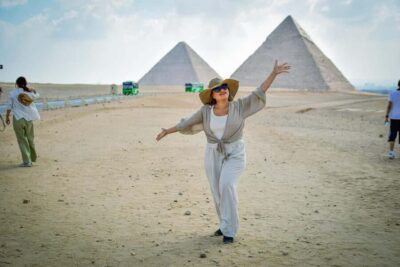
Cairo Pyramids, Sphinx & Egyptian Museum Day Trip
Read our review →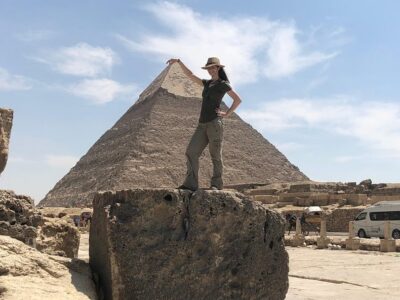
Private tour to Giza Pyramids,Sphinx,Egyptian Museum with Local Lunch
Read our review →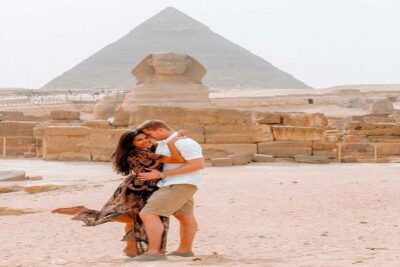
Best Private Giza Pyramids,Sphinx, New Grand Egyptian Museum
Read our review →
Egyptian Museum, Citadel, and Old Cairo Guided Tour
Read our review →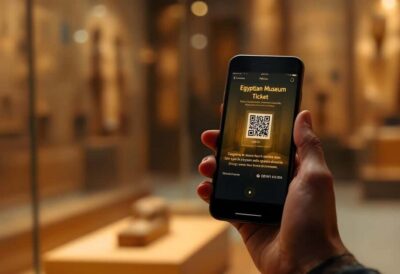
Egyptian Museum of Antiquities online QR Ticket
Read our review →Browse the lists this tour appears in