
Reviewed · COPTIC & ISLAMIC CAIRO TOURS
Cairo Half Day Tours visit Islamic Cairo & ancient mosques
Cairo’s Islamic quarter is a remarkable lesson in stone, faith, power, and city life. This private half-day tour links the Citadel and Muhammad Ali Mosque with Al-Rifa’i, Sultan Hassan, Al-Azhar, and Khan Khalili, so you get both grand monuments and a working bazaar in one outing.
I like the hotel pickup and private vehicle, which saves you from sorting out Cairo traffic on your own. I also like the strong guide element: guides including Essam, Tito, Sam, Mirna, and Deena have been praised for clear explanations, useful cultural context, and flexible timing. The main caution is consistency. One serious complaint describes a guide who skipped several stops, so the guide assigned to your booking matters.
Key points to know before you book
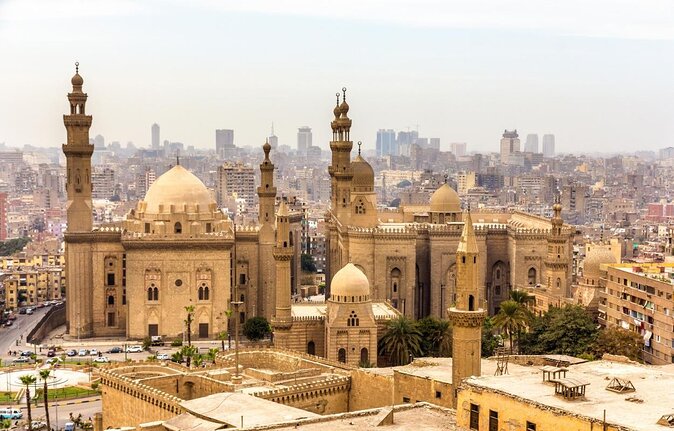
- Muhammad Ali Mosque gives you Cairo’s big city view: The Alabaster Mosque sits inside the Citadel and is the tour’s grand opening scene.
- You visit several major mosques in one compact trip: Al-Rifa’i, Sultan Hassan, Al-Azhar, and the Hussein Mosque area bring different periods and styles into focus.
- A private tour gives you room to ask questions: The best guides, including Essam and Tito, adjust explanations and pace to your interests.
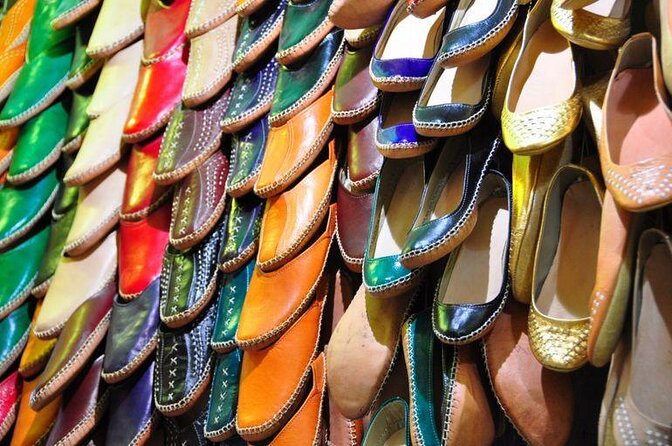
- Khan Khalili adds shopping and street life: You can browse brassware, copper, perfumes, leather, silver, gold, antiques, and other goods.
- Friday can be crowded: One traveler described thousands of people around the mosques on prayer day.
- The $45 price is reasonable for a private outing: Guide, vehicle transfers, entry fees, and bottled water are included, though the exact inclusions can depend on the option selected.
Why Islamic Cairo works best with a guide
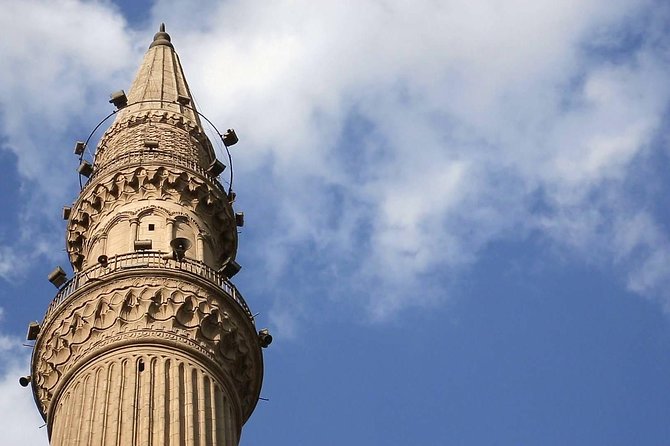
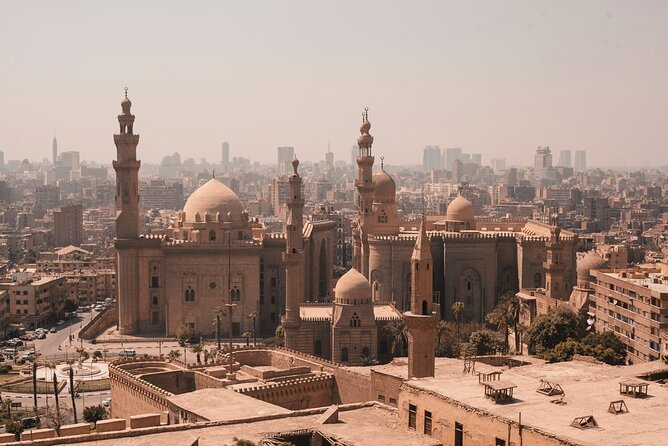
Islamic Cairo can feel like a collection of impressive buildings until someone explains how the pieces fit together. This tour helps connect the Citadel, royal mosques, Fatimid Al-Azhar, and the market district into a readable story.
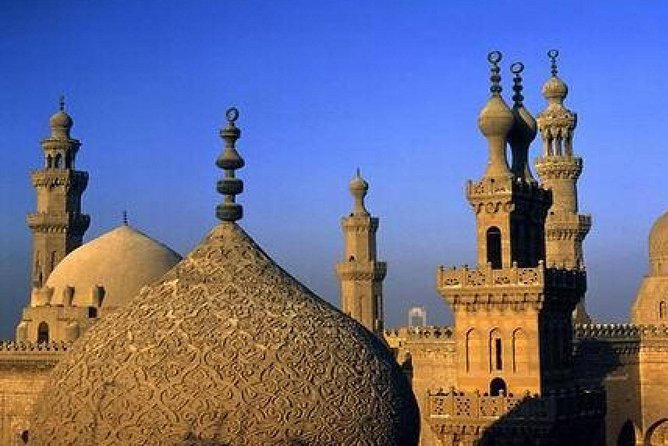
I find that especially useful in Cairo because the buildings are not all from the same era. The Citadel reflects military and political power. Muhammad Ali Mosque looks across the city with Ottoman-inspired grandeur. Sultan Hassan belongs to an earlier Mamluk period, while Al-Rifa’i was built much later as a deliberate companion to it.
The private format is important. You are not locked into a large group moving at one speed. You can ask about Islamic customs, architecture, local life, or the meaning of a detail that catches your eye. Strong guides have also helped with photographs, modest clothing, Arabic phrases, and practical matters at the sites.
That said, the quality of a private tour depends heavily on the person assigned to you. The most praised guides were described as clear, warm, flexible, and deeply informed. One poor account describes a much shorter visit, weak explanations, and several missed locations. I would confirm the planned stops with your guide at pickup and speak up if the pace becomes too rushed.
Other old-quarter walks in Cairo:
- Cairo: Egyptian Museum, Citadel, and Old Cairo Guided Tour
★ 4.7 · 853 reviews - Cairo Citadel, Old Cairo and Khan El Khalili: Private Tour
★ 4.6 · 741 reviews - Old Cairo: Full-Day Islamic and Coptic Cairo Tour with Lunch
★ 4.6 · 688 reviews
The Citadel and Muhammad Ali Mosque
The tour begins with pickup from your Cairo hotel, listed for 10:00 a.m. The first major stop is Salah El-Din Castle, usually called the Citadel of Saladin.
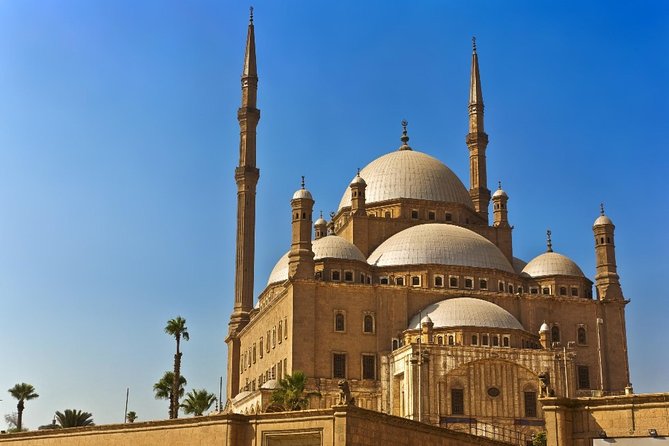
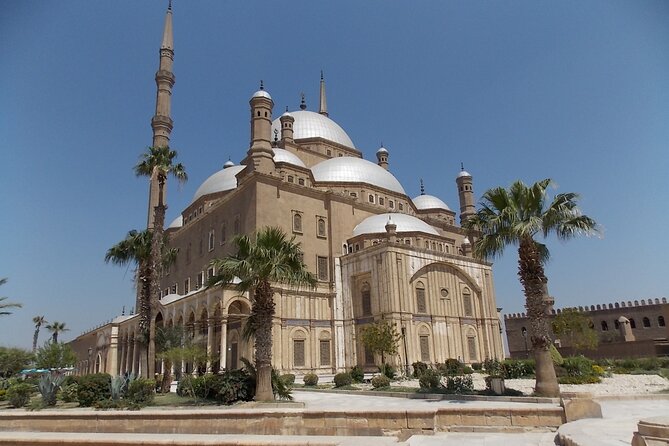
The Citadel gives you a strong sense of Cairo’s scale. Its walls and elevated position made it a natural center of defense and government, while the mosque inside gives the stop its visual punch. The main visit is to Muhammad Ali Mosque, known as the Alabaster Mosque because alabaster covers parts of its exterior walls.
Inside, expect a grand religious space rather than a quiet little neighborhood mosque. The building’s size, height, and broad surfaces make it an easy place to understand how rulers used architecture to project authority. Your guide can also help you notice the relationship between the mosque and the city below.
Plan on about an hour here. That sounds generous, but the Citadel contains enough to occupy your attention, especially if you want photographs or a slower explanation of the mosque’s design.
Dress modestly for the religious sites. A guide named Mirna was specifically praised for checking clothing and providing headscarves before the group left the hotel. That is the sort of small practical help that makes a mosque visit more comfortable.
Al-Rifa’i and Sultan Hassan, two mosques facing each other
The next stop is Al-Rifa’i Mosque, located opposite the Mosque-Madrasa of Sultan Hassan. This pairing is one of the most useful parts of the tour because the buildings invite comparison.
Al-Rifa’i was created in the 19th century under Egypt’s later rulers. Its builders intended it to complement the older Sultan Hassan complex, linking modern royal ambitions with the prestige of earlier Islamic Cairo. You do not need to know architectural terms to appreciate the contrast. Look at the scale, façades, entrances, and decorative treatment, then ask your guide why the later building was designed to face the earlier one.
The visit is listed at roughly an hour for Al-Rifa’i, followed by another 30 minutes at the next mosque stop. The itinerary labels that fourth stop as Sultan Hassan, but its description refers to the Hussein Mosque and the traditional burial place of the head of Muhammad’s grandson. This is an important point to clarify before you set out. The supplied schedule appears to mix two different sites.
If seeing Sultan Hassan is a priority, ask your guide directly to confirm that it is included. The tour descriptions and several accounts refer to Sultan Hassan, Al-Rifa’i, and other mosques, but the written stop details are not perfectly consistent.
This part of Cairo is also where a good guide earns the fee. The architecture can be overwhelming at first glance. A strong explanation helps you see how a mosque, madrasa, royal monument, and memorial can serve several purposes at once.
Al-Azhar Mosque and the Fatimid beginning of Cairo

Al-Azhar Mosque is listed as a 30-minute stop. It was commissioned in 970 by Al-Mu’izz li-Din Allah of the Fatimid Caliphate for the newly established capital. Its name is commonly connected with Fatimah, the daughter of the Prophet Muhammad, and the Arabic idea of shining or resplendent.
This is an older chapter of Cairo’s story than the Citadel or Muhammad Ali Mosque. The visit gives you a look at the city’s Fatimid roots and helps explain why Cairo became known as the City of 1,000 Minarets.
Half an hour is enough for an introduction, but not for a detailed architectural study. I would treat Al-Azhar as a focused stop within a broader day rather than expect a long, unhurried visit.
The mosque is also an active religious place, not simply a monument. Your guide should explain where you can stand, what clothing is suitable, and how to behave respectfully. As with every stop on this tour, timing may be affected by prayer activity or local access.
Same base, a different sort of day:
- Cairo: Pyramids & Great Sphinx Private Tour with Camel Ride
★ 4.9 · 6,335 reviews - Tour to Giza Pyramids and The Egyptian Museum
★ 5.0 · 6,016 reviews - VIP All inclusive Best of the best Giza Pyramids,Sakkara,Memphis
★ 5.0 · 3,164 reviews - From Cairo: Pyramids of Giza, Sphinx, Saqqara & Memphis Tour
★ 4.7 · 3,110 reviews
The mosque stop that needs clarification
The supplied schedule has a naming problem worth addressing. The fourth stop is titled Mosque-Madrasa of Sultan Hassan, but the description says the visit is to El Hussein Mosque, a site believed to hold the head of the Prophet Muhammad’s grandson.
These are not interchangeable names. Sultan Hassan is the monumental mosque opposite Al-Rifa’i. El Hussein Mosque is associated with the area around the bazaar and a different religious tradition. Since the tour is sold around several major mosques, ask for a precise route before departure.
This is not a reason to dismiss the tour. It is a reason to be clear. If you have limited time in Cairo and one site matters most, say so at pickup. Guides such as Tito and Sam have been praised for adjusting the schedule when guests had a shorter window, but you should still confirm the plan yourself.
Khan Khalili, where the tour gets more local and less formal
The final listed stop is Khan El Khalili, Cairo’s famous bazaar district. After the grand mosques, the market changes the mood completely. Instead of courtyards, domes, and prayer spaces, you get narrow shopping lanes and stalls selling brassware, copper, perfumes, leather, silver, gold, antiques, and other goods.
This is the place to practice your bargaining. Keep your expectations realistic. The bazaar is designed for shopping, and prices are part of the exchange. A guide can help you understand what you are looking at and steer you toward items that match your interests.
One guide, Reina, was praised for helping visitors find specific masks and for arranging an Egyptian meal. Another, Sayed Muhmoud, added a walk through downtown and an explanation of daily Egyptian life. Those extras are not guaranteed, but they show how much the experience can improve when you tell your guide what interests you.
You may also hear very different opinions about shopping here. One poor experience involved a guide who discouraged the market rather than helping the visitor enjoy it. I would make your preference clear: browse independently, shop with advice, or simply walk through without buying.
The tour ends with a return transfer to your Cairo hotel. The listed duration is about three to five hours, though traffic, prayer times, shopping, and your pace can change the total.
What the $45 price covers
At $45 per person, this tour offers solid value if you want a private introduction to Islamic Cairo. The stated inclusions are a guide, hotel pickup and drop-off, entry fees, and bottled water. That removes several small costs and makes the day easier to manage.
The price is less attractive if you only want transportation. You are paying for interpretation and access to a planned collection of sites, not just a car. The best guides have added real value by answering detailed questions, explaining Islamic beliefs and customs, helping with photographs, and adjusting the route.
Check the exact option when booking because the information says entrance fees can depend on the tour option selected. Lunch is not included in the base price, though an optional local meal such as koshari may be available.
There is also no mention of gratuities being included. Bring money for tipping and personal purchases at the bazaar. A guide should not pressure you, but tipping is listed as your responsibility.
Timing, crowds, clothing, and the private format
The listed start time is 10:00 a.m., with pickup from your hotel. Some guides have accommodated earlier departures and shorter schedules, including a morning outing that began at 8:30 and finished before 12:30. Do not assume that timing is automatic. Request it in advance if you have a flight, train, or another booking.
Friday deserves special attention. It is the Muslim day of congregational prayer, and one account describes thousands of people, many of them children, around the mosques. That can give you a more authentic look at religious life, but it can also make movement and quiet sightseeing harder.
I would choose a weekday if calm access matters most. Choose Friday only if you accept larger crowds and a more active religious setting.
You should dress modestly for mosque visits. Women may need a headscarf, and loose clothing that covers shoulders and knees is the safest choice. The guide can help with appropriate clothing, but it is better to arrive prepared.
The experience is marked as suitable for most participants and is a private activity for your group. It is near public transportation, though the included hotel vehicle is the practical choice in Cairo traffic.
Guide quality is the biggest variable
The strongest part of this experience is the guide. Essam was praised for setting the scene, repeating key points, answering questions about Islam and Egyptian culture, helping with Arabic, and making sure the group was comfortable. Tito was praised for fluent English and a conversational style. Sam was described as flexible and well informed when time was tight.
Other highly regarded names include Khaled, Deena, Hebe, Mirna, Reina, Muhsin, Ahmed Khattab, and Sayed Muhmoud. Their reported strengths include clear English, enthusiasm, family-friendly help, cultural explanations, and attention to the group’s interests.
I would not treat those names as a guarantee that you will receive one of them. They are useful examples of the standard you should expect. If the assigned guide gives only brief explanations or tries to skip listed stops, say so early and contact the operator afterward.
One major complaint describes a guide who visited only part of the route, spent much of the time on his phone, and asked for a tip in an uncomfortable way. That account is far outside the general pattern, but it matters because the tour’s private format gives one guide a great deal of control over your day.
Who should book this Cairo half-day tour?
I would recommend it to first-time Cairo visitors who want an efficient introduction to Islamic architecture without arranging drivers, tickets, and mosque visits separately.
It also suits you if you have only part of a day available. The route packs in the Citadel, several significant mosques, and Khan Khalili without committing you to a full-day program.
Families can benefit from the private vehicle and flexible pacing. One guide was especially helpful with a toddler and baby, although young children may tire before the final stops. Couples, small groups, and visitors interested in religion or architecture will get the most from a guide who welcomes questions.
I would be more cautious if you want a slow, highly specialized architectural tour. The schedule is busy, and some stops are short. I would also confirm the mosque list if Sultan Hassan or El Hussein is essential to your plans.
Should you book it?
Book this tour if you want private transport, major Islamic Cairo landmarks, and a guide-led introduction at a moderate price. The strongest experiences come from guides who explain what you are seeing and adapt the pace to your interests.
Before pickup, confirm the guide’s name, the exact mosque route, whether your chosen option includes all entry fees, and if lunch is included. Wear modest clothing, avoid Friday if crowds bother you, and keep a little time for bargaining at Khan Khalili.
The 4.8 rating and 94 percent recommendation figure suggest a strong overall experience, but the occasional poor guide assignment is the main risk. I would book it for convenience and context, while staying active about the schedule and the sites you most want to see.
FAQ
How much does the Cairo Islamic Cairo tour cost?
The listed price is $45 per person.
How long does the tour last?
The approximate duration is three to five hours.
What time does the tour start?
The listed start time is 10:00 a.m. Some guides have also accommodated earlier starts when requested.
Is hotel pickup included?
Yes. Hotel pickup and drop-off in Cairo are included.
Is this a private tour?
Yes. Only your group participates in the private activity.
Are entrance fees included?
Entry fees are included, though the information says they can depend on the tour option selected.
Is lunch included?
Lunch is not included in the base tour. An optional local restaurant meal featuring koshari may be available.
What should I wear to visit the mosques?
You should dress modestly. A guide may provide or help arrange headscarves when needed.
Can I visit Khan Khalili on this tour?
Yes. Khan El Khalili Bazaar is the final listed stop, with time to browse goods such as brassware, copper, perfumes, leather, silver, gold, and antiques.
What is the cancellation policy?
You can cancel up to 24 hours before the experience begins for a full refund. Changes or cancellations made less than 24 hours before the start time are not accepted for a refund.
Just added in Cairo
- White Desert Overnight Camping Sharing Tour in Egypt★ 5.0 · 15 reviews
- Cairo Best 2Days tour Pyramids, Saqqara & Old Cairo★ 5.0 · 15 reviews
- Giza Pyramids with (GEM) Grand Egyptian Museum★ 5.0 · 42 reviews
- visit the pyramids of Giza + the necropolis of Saqqara + the Memphis site.★ 4.5 · 20 reviews
- Tour to Giza pyramids Memphis Sakkara and Felucca on the Nile★ 5.0 · 16 reviews
- Monastery St Simon with Cave Church and Garbage City Private Tour★ 5.0 · 15 reviews
- sunset at Giza pyramids by camels★ 5.0 · 31 reviews
- Private Giza pyramid,sphinx, Mummification temple& inside pyramid★ 5.0 · 32 reviews
Coptic & Islamic Cairo Tours, compared.
Egyptian Museum, Citadel, and Old Cairo Guided Tour
Read our review →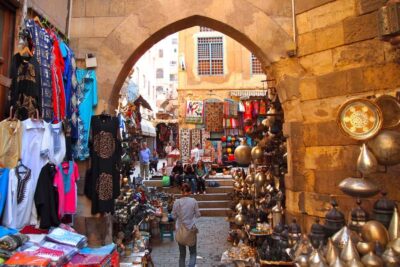
Cairo Citadel, Old Cairo and Khan El Khalili: Private Tour
Read our review →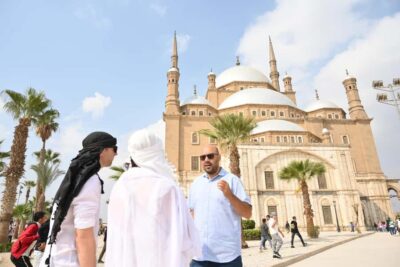
Old Cairo: Full-Day Islamic and Coptic Cairo Tour with Lunch
Read our review →
Old Cairo Guided Walk Tour: History, Culture & Street Bites
Read our review →
4-hours private Tour Islamic Mosque,Coptic Cairo &Khan el-Khalili
Read our review →
The Egyptian Museum, the Citadel, Khan Khalil Bazaar & Old Cairo
Read our review →
Sharm El Sheikh City Tour: Old Market, Mosque & Farsha Café
Read our review →
Old Cairo and Khan El Khalili Bazaar: Private Half-Day Tour
Read our review →Browse the lists this tour appears in