

Reviewed · EGYPTIAN MUSEUM TOURS
Cairo: Private Tour to Museum of Egyptian Civilization
The Royal Mummies Hall is the main reason to book this three-hour private tour. You’ll see 22 royal mummies, including 18 kings and four queens, with Ramses II, Seti I, and Queen Hatshepsut among the famous names. I also like the private format, since guides such as Ayat, Abeer, Hazem, and Adham can answer your questions instead of rushing through a fixed group script.
I like the door-to-door pickup and the museum’s broad timeline, which moves from prehistoric Egypt through modern times. The main drawback is time: three hours includes transport, so you may need to keep moving if you want a close look at every gallery. The underground mummy area also has no photography and no guiding inside, so listen carefully to the explanation before entering.
Key points to know before booking
- The 22 royal mummies are the tour’s main event: See 18 kings and four queens, including Ramses II, Seti I, and Hatshepsut.
- The museum covers more than pharaohs: Displays include tools, jewelry, textiles, manuscripts, and medical instruments from many periods.
- Private pickup saves time: A driver collects you at your Cairo or Giza hotel and returns you afterward in an air-conditioned vehicle.
- Three hours works well for a short Cairo stop: It is a practical choice if you have limited free time, but not enough for a slow museum study.
- Guide quality matters here: The strongest part of the experience is the personal explanation, with guides such as Abeer, Doha, Omar, and Adham praised for patience and clear storytelling.
- Check the language supplement: English guiding is included, while French, German, and Spanish may require an add-on.
Why the National Museum of Egyptian Civilization is worth your time
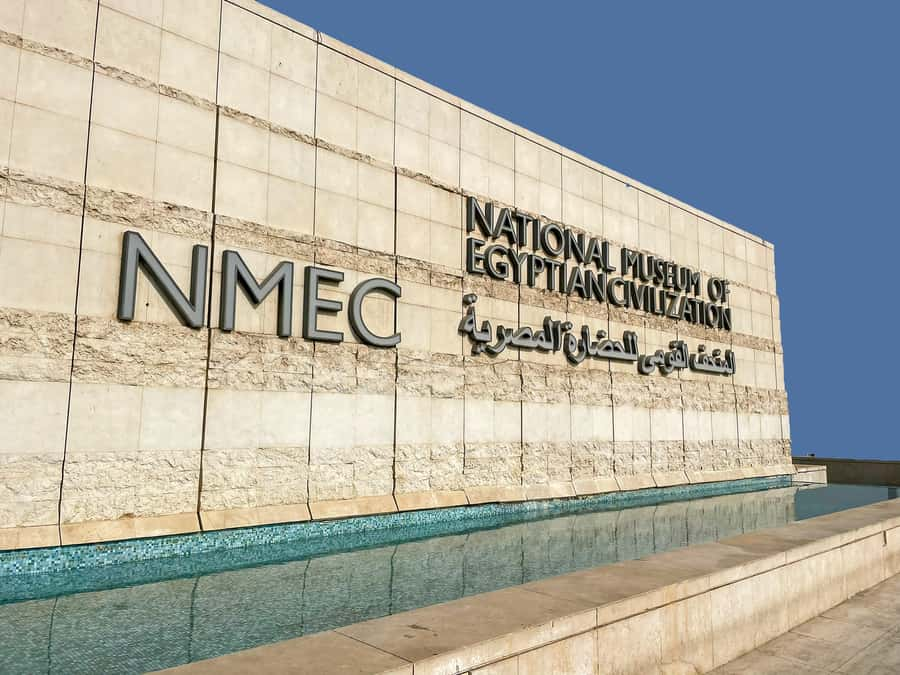
Cairo has several major museums, and each gives you a different view of Egypt. The National Museum of Egyptian Civilization, set in historic Fustat, is the place to choose when you want the full story rather than only the age of pyramids and pharaohs.
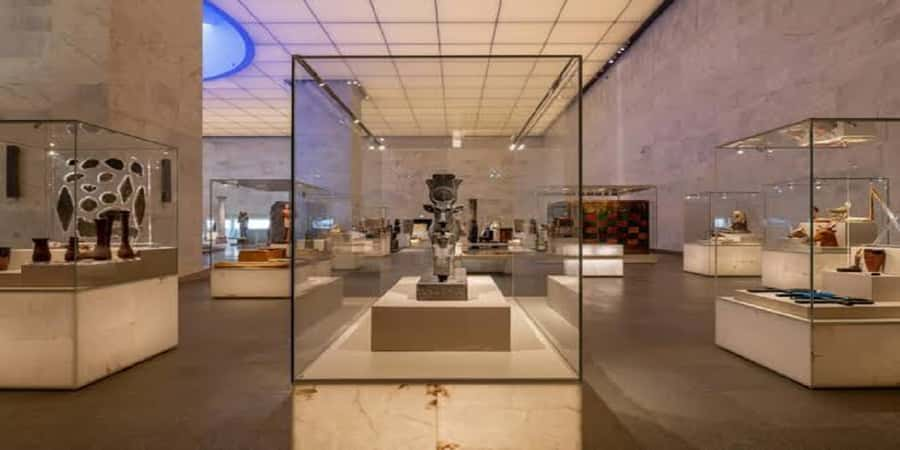
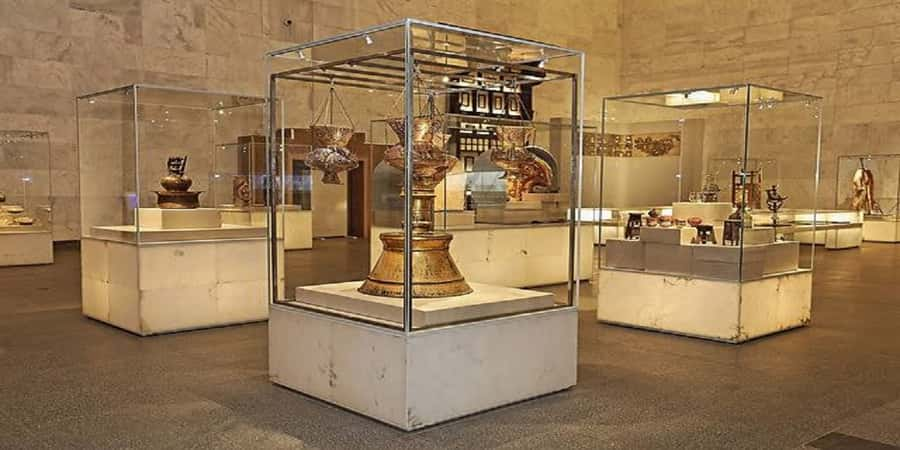
The museum holds more than 50,000 artifacts. Its displays reach from prehistoric Egypt to the modern era, giving you a broader view of the country’s development, beliefs, work, art, medicine, and daily life.
That range is important. Ancient Egypt can easily become a parade of famous names, dates, and tombs. Here, the objects help connect royal power with ordinary life. You may see tools beside jewelry, textiles beside manuscripts, and medical instruments beside objects linked to religious practice.
The building covers more than 490,000 square meters, though your visit will focus on the museum galleries rather than every part of the site. A private guide helps you decide what deserves your attention during the limited three-hour window.
Other museum visits people book in Cairo:
- Tour to Giza Pyramids and The Egyptian Museum
★ 5.0 · 6,016 reviews - Cairo 8 Hour Private Tour of Pyramids, Egyptian Museum and Bazaar
★ 5.0 · 2,931 reviews - Cairo: Grand Egyptian Museum, Pyramids, Sphinx Tour & Lunch
★ 4.7 · 2,282 reviews
Hotel pickup makes a short visit easier
Your tour begins with pickup from your hotel in Cairo or Giza. You meet the guide and driver, then travel by private, air-conditioned vehicle to the museum.
That arrangement is especially useful in Cairo, where getting across the city can take more time than expected. You do not need to arrange a taxi, explain the museum entrance, or work out the return trip after several hours on your feet.
Pickup is also available from New Cairo, Nasr City, the train station, Cairo Airport, or Heliopolis when the relevant add-on is selected. Confirm the correct pickup option when booking, since the standard inclusion is hotel pickup in Cairo or Giza.
The transport is practical rather than part of the sightseeing. You might spend part of the three-hour schedule in the car, depending on where you stay and traffic conditions. If your time in Cairo is tight, tell the guide at the start so the museum visit gets priority.
One detailed account describes a clean vehicle, a driver waiting early, and a smooth return to the hotel. Another notes that the driver was flexible when the visitor needed to continue elsewhere. These small details matter when you have a flight, train, or another appointment later in the day.
The main galleries tell Egypt’s story in order
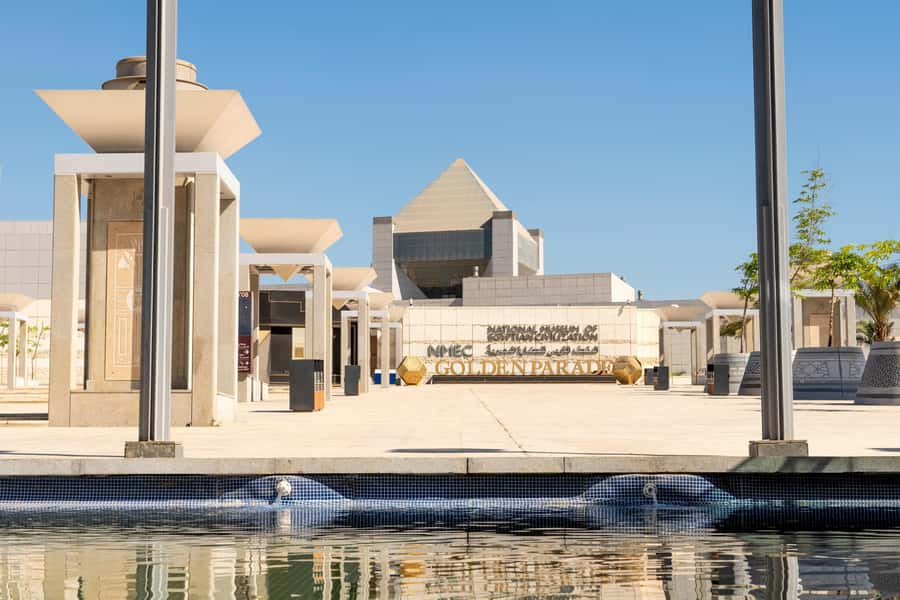
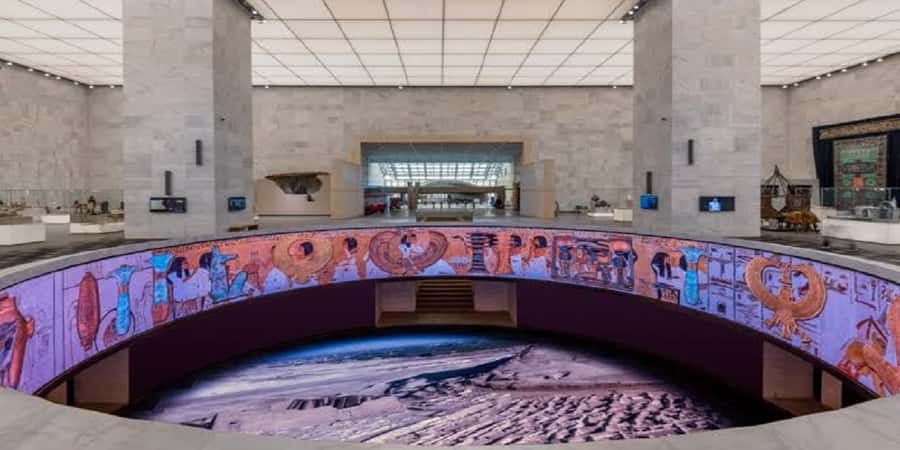
Once inside, your Egyptologist guide will help you get your bearings in the main gallery. This is where the museum’s wide time span becomes useful.
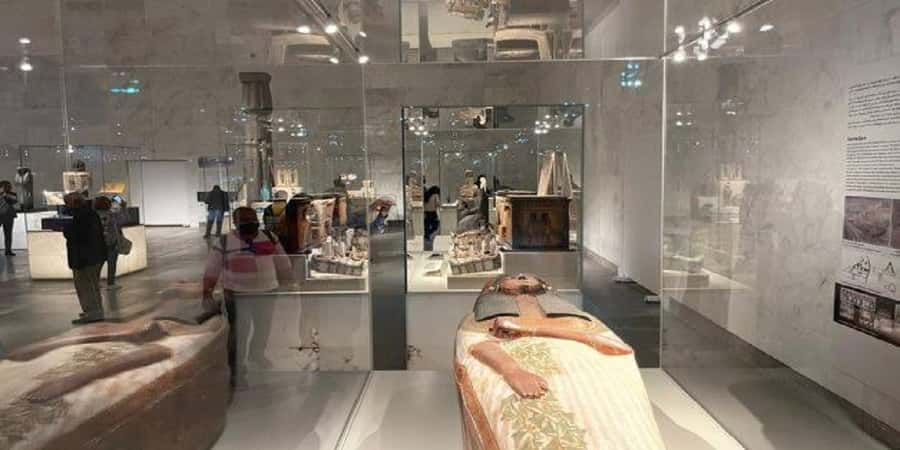
You can expect objects from different stages of Egyptian civilization, including tools, jewelry, textiles, manuscripts, and medical instruments. Rather than treating each display as an isolated relic, your guide can explain how Egyptian customs and skills changed over time.
The private setting makes it easier to stop and ask questions. Hazem was praised for patient answers and recommendations for continuing the day, while Adham was described as especially attentive and easy to talk with. Those qualities are valuable here because the museum presents a large amount of material in a relatively short visit.
A guide can also provide the missing links between objects. A piece of jewelry may tell you about status, belief, or craftsmanship. A medical item can open a discussion about Egyptian ideas of the body. A manuscript may reveal how people recorded religious, administrative, or personal information.
The tour is not limited to royalty. That is one of its strengths. You get a view of Egypt as a long-lasting civilization with changing customs, practical skills, and artistic traditions.
The Royal Mummies Hall is the emotional high point

The Royal Mummies Hall is the part most likely to stay with you. It contains 22 royal mummies, 18 kings and four queens, displayed in a setting designed to feel separate from the main galleries.
You will encounter names familiar from Egyptian history, including Ramses II, Seti I, and Queen Hatshepsut. Seeing the preserved remains of these rulers gives a physical weight to stories you may have heard at the pyramids or in school.
Your guide explains the lives of the rulers, royal rituals, and the process of mummification before you enter. That preparation makes the display more meaningful. Without context, the mummies can seem like a row of ancient bodies. With context, you can consider why preservation mattered, how rulers were remembered, and how burial practices reflected beliefs about death and the afterlife.
Photography is not allowed in the mummy gallery. Guiding inside the underground area is also restricted, so expect the main explanation to happen before you enter. This is a useful point to know in advance, since you should pay close attention at the briefing and avoid expecting a running commentary among the mummies.
The hall may not suit every visitor. Some people find the display solemn or intense, while others consider it the most important part of the museum. If you are especially interested in royal succession, burial customs, or physical evidence from ancient Egypt, allow this section your full attention.
A few more things to do in Cairo worth a look
- Cairo: Female-Guided Pyramids, Sphinx & Museum City Tour
★ 4.8 · 1,614 reviews - Private tour to Giza Pyramids,Sphinx,Egyptian Museum with Local Lunch
★ 5.0 · 1,530 reviews - Best Private Giza Pyramids,Sphinx, New Grand Egyptian Museum
★ 4.5 · 1,056 reviews - Cairo: Egyptian Museum, Citadel, and Old Cairo Guided Tour
★ 4.7 · 853 reviews
A private guide changes the pace
A private tour is not automatically better than a group tour, but it is a strong fit for this museum. You can ask about a particular ruler, spend more time on objects that interest you, or move on from a display that does not hold your attention.
The strongest guide comments consistently focus on clear explanations, patience, and warmth. Ayat was praised for friendly, engaging instruction. Abeer was described as both accommodating and able to adjust the pace for a visitor with another appointment. Doha received praise for making the objects understandable rather than simply naming them.
Omar’s approach included explaining what visitors were about to see before entering the main galleries, then giving important instructions about the mummy area. That is exactly the sort of practical guidance that helps in a museum with special rules.
Your guide is also useful for questions that go beyond dates. You can ask about customs, medical practice, royal power, burial rituals, or how the museum’s periods connect. The supplied information identifies an English-speaking Egyptologist as the included guide.
Arabic and English are listed among the available languages. French, German, and Spanish guiding can be arranged as an add-on, so check the price and availability if you do not want an English-language tour.
Three hours is enough for a focused visit
The stated duration is three hours, including the museum visit and transport. That makes this a good choice for a short Cairo schedule, but you should not treat it as a full-day museum study.
A visitor with only about three hours available found the experience short but substantial. That is the right way to view it. You can see the major galleries, spend time with the royal mummies, and ask questions without giving up an entire day.
If you are a museum enthusiast who reads every label, three hours may feel tight. The museum contains more than 50,000 artifacts, and no private guide can explain all of them in one visit. Tell your guide what interests you most, then let that shape the route.
For a first visit, I would give priority to:
- The main gallery introduction
- The Royal Mummies Hall
- Displays that show daily life and practical skills
- Any period or ruler you already want to understand better
The private format helps you avoid wasting time. You are not waiting for strangers to finish photos or following a fixed speech that does not match your interests.
Is $60 good value?
At $60 per person, the tour includes hotel pickup and drop-off in Cairo or Giza, private air-conditioned transport, an English-speaking Egyptologist, and the museum entry ticket.
That is a fair value if you want convenience and interpretation. The museum ticket alone does not explain the royal mummies, connect the periods, or help you use a short visit well. The private vehicle also removes the need to arrange separate transport.
The value is strongest for first-time visitors, people with limited time, and anyone who prefers having a guide available for questions. It is less compelling if you already know the museum well, prefer to read every label alone, or are staying close enough to arrange simple transport yourself.
Remember that drinks and personal expenses are not included. A French, German, or Spanish guide may cost extra. Pickup from certain locations outside standard Cairo and Giza hotel areas may also require an add-on.
The reserve-now and pay-later option gives you some flexibility, and cancellation is free up to 24 hours before the tour for a full refund. Those terms are useful when your Cairo schedule may change, though you should still check the exact booking conditions at the time of purchase.
Who should book this museum tour?
I would recommend it to anyone who wants more than a quick look at royal remains. The museum’s broad time span rewards explanation, and a private Egyptologist can turn a large collection into a clear story.
It suits families and mixed-interest groups because the guide can adjust the amount of detail. It also works well for couples or friends with one open morning or afternoon in Cairo.
The tour is a particularly good match if:
- You want to see royal mummies without spending a full day at a museum
- You have a hotel in Cairo or Giza and value door-to-door transport
- You want to ask many questions
- You are visiting Cairo for a short stop
- You prefer history explained in plain language
- You have another appointment and need a guide who can keep the visit moving
You may want a longer, self-guided visit if you care about every artifact, need extended time in each gallery, or dislike being on a set three-hour schedule.
Practical details to keep in mind

Wear comfortable shoes. Even a focused museum visit involves standing and walking, and the museum’s size means you will cover ground.
Arrive ready to listen before entering the Royal Mummies Hall. Since photography and guiding are not allowed in the underground mummy area, the briefing outside is your chance to hear the main context.
Confirm your pickup point and language before the day of the tour. The standard offer includes Cairo and Giza hotel pickup, while airport, train station, New Cairo, Nasr City, and Heliopolis pickup may depend on an add-on.
Guide quality is central to the experience. Named guides who have led this tour include Sayid, Ayat, Hishek, Abeer, Hazem, Adham, Anna, Doha, Omar, and others. The best use of the private format is to tell your guide what you already know and what you want to understand better.
Should you book it?
Book this tour if you want a focused introduction to Egyptian civilization with the royal mummies as the centerpiece. The $60 price is sensible for private transport, museum admission, and a personal guide, especially when your Cairo time is limited.
Skip it only if you want to spend many unhurried hours studying every display on your own. For most first-time visitors, the combination of the 22 mummies, more than 50,000 artifacts, and door-to-door service makes this a practical and worthwhile museum visit.
FAQ
Where does the tour take place?
The tour visits the National Museum of Egyptian Civilization in historic Fustat, Cairo.
How long does the tour last?
The stated duration is three hours, including the museum visit and transportation.
What is the main highlight of the museum?
The Royal Mummies Hall, which contains 22 mummies, including 18 kings and four queens.
Which famous rulers can I see?
The royal mummy collection includes Ramses II, Seti I, and Queen Hatshepsut.
Is hotel pickup included?
Pickup and drop-off are included from hotels in Cairo or Giza. Pickup from New Cairo, Nasr City, the train station, the airport, or Heliopolis may be available as an add-on.
Is transportation private?
Yes. The tour uses private, air-conditioned transportation for the transfer to and from the museum.
What language is the included guide?
The included guide is an English-speaking Egyptologist. Arabic, French, German, and Spanish are listed as available languages, with French, German, and Spanish potentially requiring an add-on.
Are museum entry tickets included?
Yes. The entry ticket to the Museum of Egyptian Civilization is included.
Can I cancel the tour?
You can cancel up to 24 hours in advance for a full refund. The reserve-now and pay-later option lets you book without paying immediately.
Just added in Cairo
- White Desert Overnight Camping Sharing Tour in Egypt★ 5.0 · 15 reviews
- Cairo Best 2Days tour Pyramids, Saqqara & Old Cairo★ 5.0 · 15 reviews
- Tour to Giza pyramids Memphis Sakkara and Felucca on the Nile★ 5.0 · 16 reviews
- Giza Pyramids with (GEM) Grand Egyptian Museum★ 5.0 · 42 reviews
- visit the pyramids of Giza + the necropolis of Saqqara + the Memphis site.★ 4.5 · 20 reviews
- Private Giza pyramid,sphinx, Mummification temple& inside pyramid★ 5.0 · 32 reviews
- Monastery St Simon with Cave Church and Garbage City Private Tour★ 5.0 · 15 reviews
- sunset at Giza pyramids by camels★ 5.0 · 31 reviews
Egyptian Museum Tours, compared.
Tour to Giza Pyramids and The Egyptian Museum
Read our review →
Cairo 8 Hour Private Tour of Pyramids, Egyptian Museum and Bazaar
Read our review →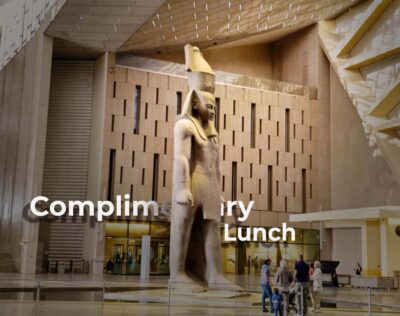
Grand Egyptian Museum, Pyramids, Sphinx Tour & Lunch
Read our review →
Cairo Pyramids, Sphinx & Egyptian Museum Day Trip
Read our review →
Private tour to Giza Pyramids,Sphinx,Egyptian Museum with Local Lunch
Read our review →
Best Private Giza Pyramids,Sphinx, New Grand Egyptian Museum
Read our review →
Egyptian Museum, Citadel, and Old Cairo Guided Tour
Read our review →
Egyptian Museum of Antiquities online QR Ticket
Read our review →Browse the lists this tour appears in