
Reviewed · NILE CRUISES
From Aswan: 4 Days Nile River Cruise with Guided Tours
The real appeal here is simple: you see Egypt’s greatest ancient sites while your hotel moves north along the Nile. I like the mix of Philae, Kom Ombo, and Edfu with Luxor’s major monuments, and I like that meals, transport, a cabin, and an Egyptologist are bundled together. The main catch is timing. Sailing plans can change, and some visits may feel rushed when several sites are packed into a short schedule.
I also like the small practical touches, including the horse-drawn carriage to Edfu Temple and pickup from your Aswan hotel. Guides such as George and Semi have been praised for clear explanations and thoughtful help, though a guide change in Luxor is possible. Drinks, entrance fees, and WiFi cost extra, so the $570 price is not quite the final bill.
Key points to know before booking
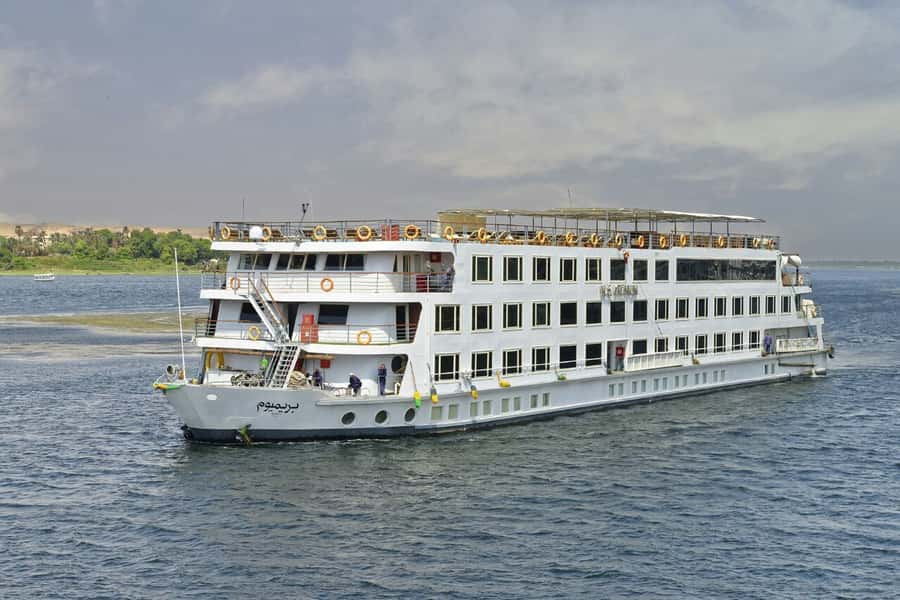
- Three nights on the Nile: Your cruise links Aswan and Luxor while providing your room, meals, and transport between major sites.
- Philae requires a motorboat: The temple sits on an island, making the boat ride part of the experience rather than just a transfer.
- Edfu comes with a horse-drawn carriage: This adds local color, though the carriage ride is a practical way to reach the temple as much as a sightseeing event.
- Luxor’s West Bank is the busiest day: The Valley of the Kings, Hatshepsut’s temple, and Carter House share one packed touring period.
- The cruise schedule can shift: Local regulations may alter sailing times without changing the planned accommodation or main visits.
- The price excludes major extras: Entrance fees, drinks, and WiFi are not included, so plan for additional spending.
Why this Nile cruise works so well
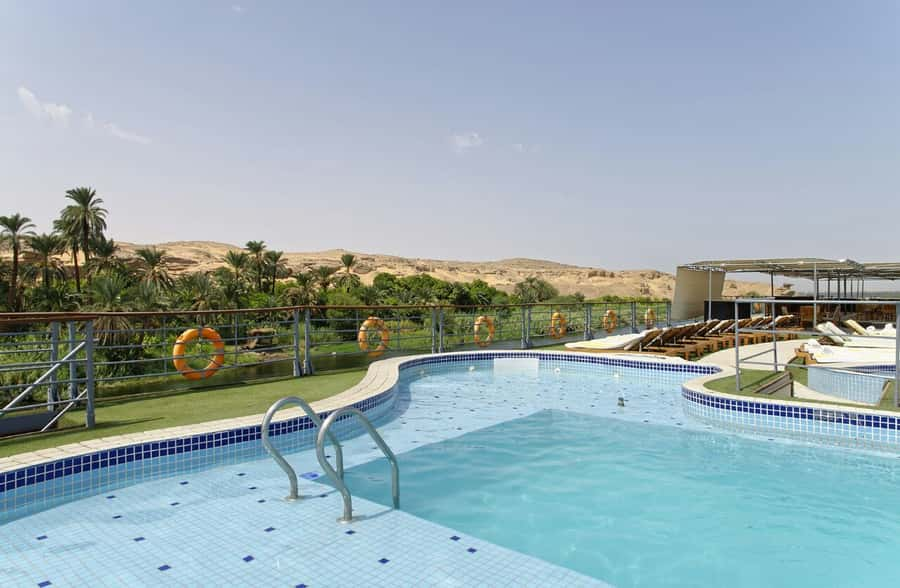
A Nile cruise gives you a useful balance of sightseeing and downtime. Instead of changing hotels every night between Aswan, Edfu, and Luxor, you unpack once and watch the river pass from the sun deck. That matters in Egypt, where long road transfers can eat up energy quickly.
This is not a quiet, private sailing trip. It is a structured sightseeing program built around fixed temple visits, shared transport, and a cruise ship that may hold around 120 people, depending on the vessel assigned. For many people, that is a fair trade. You get a clear route and a guide who can explain what you are seeing without having to arrange each transfer yourself.
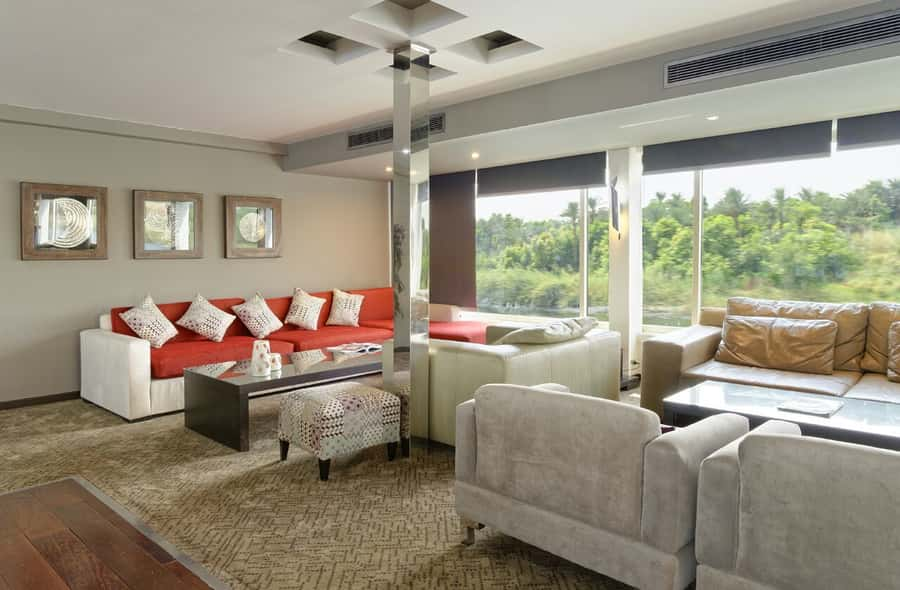
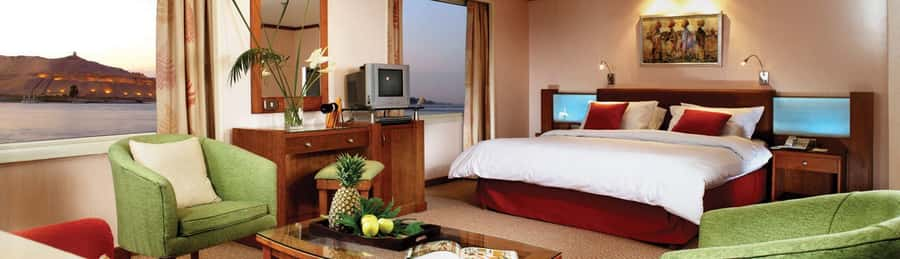
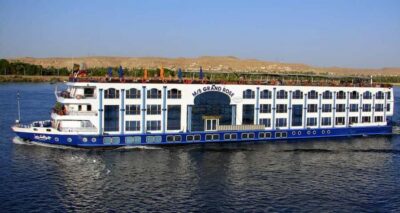
The cruise has also received strong marks for its cabins, food, and staff service. Past bookings have included ships such as the MS Marousha and Steigenberger Minerva, though the exact ship should be confirmed before you pay. Cabins have been described as spacious and clean, with windows that do not open. Food has been a frequent strength, with varied menus and attentive dining staff.
Other Nile cruises in Aswan people book:
- 4-Days Nile Cruise From Aswan To Luxor including Abu Simbel and Hot Air Balloon
★ 5.0 · 3,142 reviews - 4-Day 3-Night Nile Cruise from Aswan to Luxor&Abu Simbel+Balloon
★ 5.0 · 2,023 reviews - 4-Day 3-Night Nile Cruise from Aswan to Luxor including Abu Simbel, Air Balloon
★ 4.5 · 612 reviews
Day 1: Aswan High Dam and Philae Island
Pickup begins at your Aswan hotel, including the listed pickup point on El-Shaheed Abd El-Fattah Hassanein. You travel in an air-conditioned minibus with your guide before visiting the Aswan High Dam.
The dam is more than a quick photo stop. It changed the flow of the Nile, helped control flooding, and created Lake Nasser. Your guide gives this modern engineering project a useful place in Egypt’s story before you move on to the older monuments.
Next comes the motorboat ride to Philae Island. The temple complex was relocated when the original island was threatened by rising water from the dam. That makes the approach by boat especially meaningful: you see the temple in its island setting rather than arriving by road at a standard entrance gate.
Philae is dedicated mainly to the goddess Isis, and its courtyards, columns, and reliefs reward a slow look. The temple is one of the most graceful stops on the route, but you will want comfortable shoes and sun protection. The stone can feel exposed, and the day begins with several hours of outdoor sightseeing.
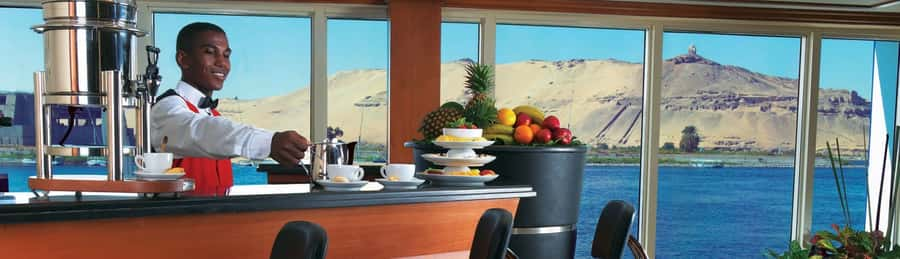
After Philae, you board the cruise ship. From here, the pace changes. You can take tea on the sun deck, watch riverbank villages and cultivated fields pass by, and hear about Nubian culture and ancient Egyptian society from your guide. This is one of the best reasons to choose a cruise instead of a road-based itinerary.
The first night is spent on board. All meals are included from the first lunch through the final breakfast, but drinks are extra. Shipboard drink prices have been described as close to European levels, so check the menu before ordering freely.
Day 2: Kom Ombo and Edfu by carriage
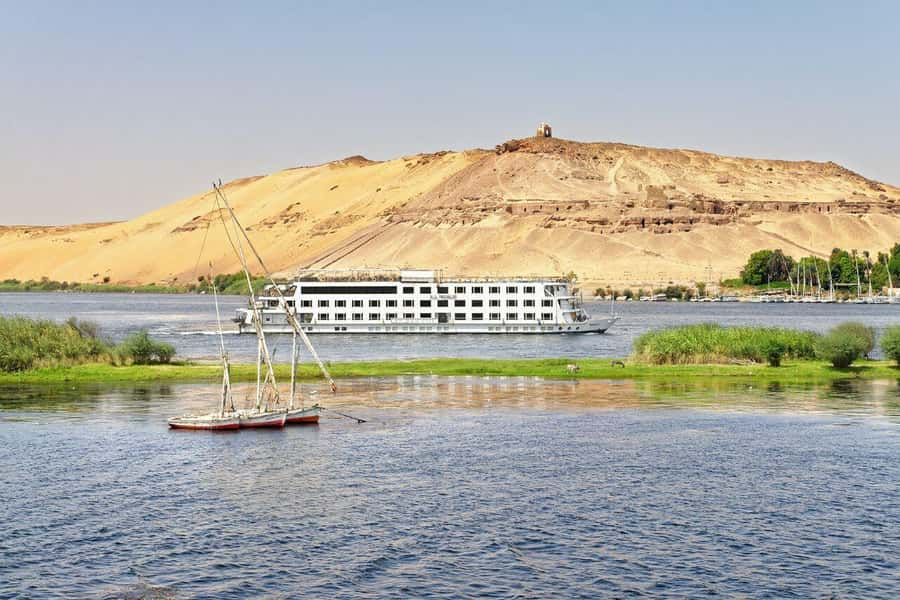
You have free time in Aswan after breakfast before the ship heads north. That open period is useful, but do not expect a full independent day in the city. The cruise schedule controls how much time you have, and the exact timing can shift.
The next major stop is Kom Ombo, a temple with an unusual double design. It honors two gods, Horus and Sobek, and its paired layout gives the site a different feel from the single-deity temples at Philae or Luxor. The temple is especially atmospheric later in the day, though timing can be a drawback. Arriving near sunset may provide attractive light, but it can also mean heavier crowds.
After Kom Ombo, the ship continues toward Edfu. Reaching Edfu Temple involves a horse-drawn carriage ride. This is a memorable change from the minibus, although you should think of it as local transport rather than a long scenic excursion.
Edfu is dedicated to Horus and is one of the best-preserved temples in Egypt. Its huge entrance pylon and long processional spaces make the scale easy to grasp, while the carved walls help your guide explain the temple’s religious role.
The timing here may feel odd. The group can arrive close to opening time because of the lock schedule, then still spend time waiting near the harbor afterward. That is not a reason to reject the cruise, but it is a reminder that river traffic and ship operations shape the day.
You return to the ship after Edfu and spend the night sailing north. This is a good evening to rest rather than plan extra activity. The itinerary packs in a lot of monuments, and the next day is the heaviest one.
Day 3: The Valley of the Kings and Hatshepsut
The third day focuses on Luxor’s West Bank, where ancient royal tombs and funerary monuments spread across the desert hills. You disembark and travel by vehicle with your guide.
The Valley of the Kings is the headline stop. This was the burial ground for many New Kingdom rulers, including the tomb of Tutankhamun. Your ticket does not automatically mean every tomb is included, since entrance fees are separate, so check what your guide and operator arrange before entering.
Inside, the experience is close and visual. Painted walls, steep passages, and chambers replace the open courtyards of the earlier temples. The Valley can be physically demanding, particularly in heat, and the amount of time available may not allow a leisurely visit to every accessible tomb.
Next comes the Mortuary Temple of Queen Hatshepsut. Its terraces rise against the cliffs and offer a sharp contrast to the underground tombs. Hatshepsut’s reign and unusual path to power give your guide plenty to explain, and this is one place where a good Egyptologist makes a real difference.
The itinerary also includes Howard Carter House. Carter was the archaeologist who discovered Tutankhamun’s tomb, and the house adds a more recent human story to a day otherwise dominated by ancient rulers. It is a useful stop for anyone interested in how modern archaeology shaped Egypt’s public image.
The West Bank program is substantial, but this is also where you should keep your expectations realistic. The sightseeing can be compressed, especially if the sailing schedule has changed earlier in the trip. One past itinerary change left two days in Aswan, only one sailing day, and a short final excursion period in Luxor. The operator says schedule changes will not affect accommodation, tours, or check-in time, but the order and length of stops can still feel different.
A guide change in Luxor is also possible. George has been praised for detailed explanations and for making sure an older family member remained comfortable, while Semi has also been singled out for dependable guiding. If you particularly want one guide for the whole trip, ask about this before booking.
Other cruises leaving from Aswan:
- From Aswan: 4-Day Nile Cruise from Aswan to Luxor with Guide
★ 4.1 · 593 reviews - 4-Days Nile Cruise From Aswan To Luxor including Abu Simbel and Hot Air Balloon
★ 4.5 · 509 reviews - 4-Day 3-Night Nile Cruise from Aswan to Luxor – Private Tour
★ 5.0 · 369 reviews - 4 Days Nile Cruise from Aswan to Luxor including Abu Simbel and Hot Air Balloon
★ 4.5 · 356 reviews
Day 4: Karnak and Luxor Temple
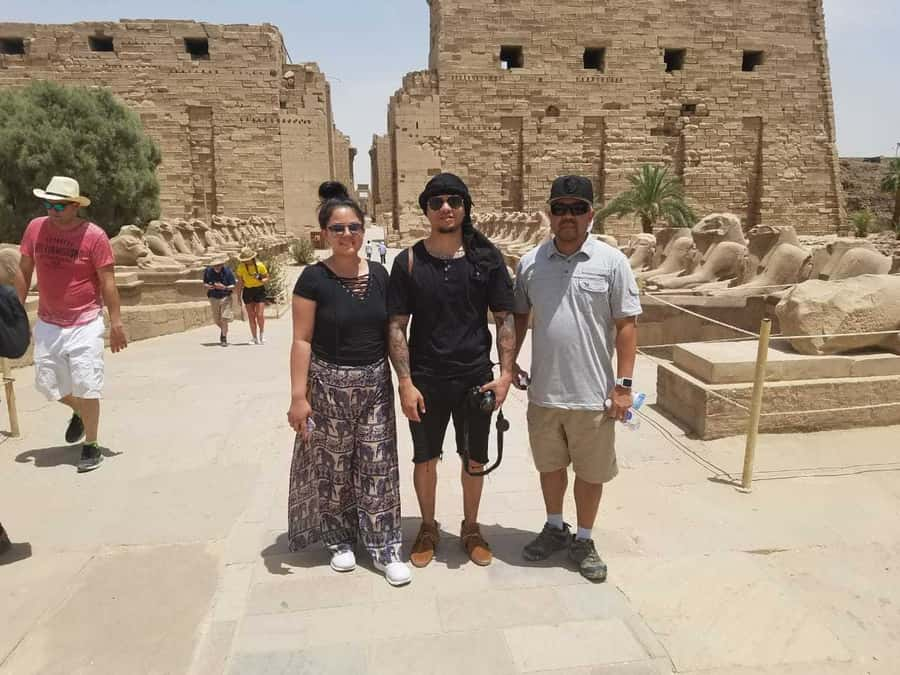
After breakfast, you visit Karnak Temple, the largest temple complex on the route and one of Egypt’s essential sights. Calling it a single temple is slightly misleading. Karnak grew over centuries and includes vast courts, columns, gateways, and sacred spaces added by different rulers.
The Great Hypostyle Hall is the visual star, with its forest of massive columns. You will get more from it if you pause to study the carved details rather than only taking a quick group photo. Your guide can help sort out which rulers added which parts, since the complex can otherwise feel like a grand stone maze.
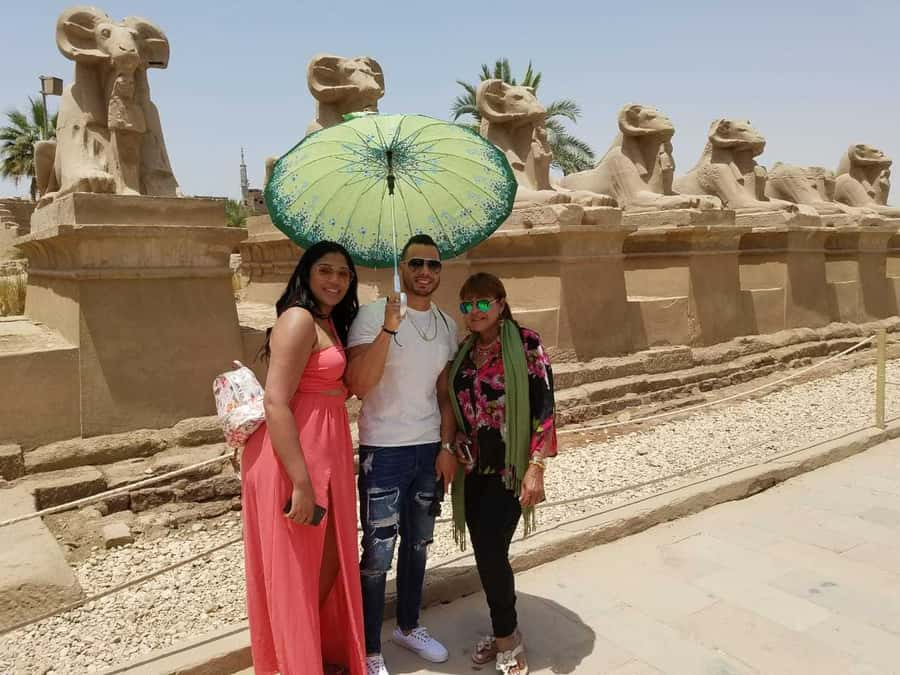
Luxor Temple follows. It is smaller and more compact than Karnak, but its location in the modern city gives it a different mood. The temple was connected to Karnak by an avenue of sphinxes, and its evening illumination is famous, though this daytime schedule does not promise a night visit.
The tour finishes in Luxor after Luxor Temple. That makes the final morning efficient, but it also means you do not get a separate free day to explore the city. If you want museums, markets, or a longer look at Luxor beyond the two temples, plan extra time before or after this cruise.
What the $570 price really covers
At $570 per person, the package offers solid value if you want an organized first visit to the Nile. You receive three nights on the ship, a cabin with facilities, all meals from lunch on the first day through breakfast on the last, an English-speaking guide, air-conditioned minibus transport, and the Edfu carriage ride.
Those inclusions remove several common planning chores. You do not need to find separate transport from Aswan to each temple, arrange a boat to Philae, or coordinate the West Bank sites in Luxor. You also have a guide to explain the monuments in context.
The price becomes less attractive if you expect a fully inclusive luxury holiday. Entrance fees are not included, and neither are drinks or WiFi. You should set aside extra money for admissions and shipboard purchases. The exact ship can also affect how luxurious the experience feels, so ask which vessel is assigned.
Past stays on the MS Marousha have been described as clean and spacious, with pleasant common areas and good food. The Steigenberger Minerva has also received high praise for its staff and service. These are encouraging signs, but the booking details do not guarantee one specific ship.
Timing, comfort, and the small print
This is a four-day schedule, but it is not four leisurely days. You will spend time on vehicles, boats, the ship, and exposed temple grounds. Comfortable shoes, a hat, sunscreen, and water are sensible choices, although drinks themselves are not included.
The ship has a sun deck, which is one of the best places to enjoy the Nile views. Cabins have been described as roomy and clean, but windows may not open. WiFi is not included, so do not count on a constant connection during the sailing.
Music on board has not suited everyone, with a crew playlist reportedly repeated too often. That is a minor issue for most people, but it matters if you are sensitive to noise and plan to spend long periods on deck.
The activity is listed as wheelchair accessible, though the ancient sites include uneven surfaces and the program uses boats, carriages, and vehicles. If you use a wheelchair, confirm the practical arrangements for each stop before booking rather than relying only on the general accessibility label.
Cancellation is flexible up to 24 hours before the start for a full refund, and you can reserve now and pay later. Those policies are useful if your Egypt plans are still taking shape.
Who should book this cruise?
I would recommend it to a first-time visitor who wants the major Aswan and Luxor sights in one organized trip. It suits you especially well if you value a guide, prefer not to negotiate daily transport, and like having your room and meals move with you.
Families and older travelers may appreciate the included transport and the care shown by guides such as George. The schedule is still active, so anyone with limited mobility should ask detailed questions about boats, temple surfaces, and carriage transfers.
Independent visitors who want long hours at each monument may find the program too tight. You may also prefer a longer cruise if sailing time matters as much to you as the temples. The route is designed to show you the highlights, not to give you several empty afternoons.
Should you book it?
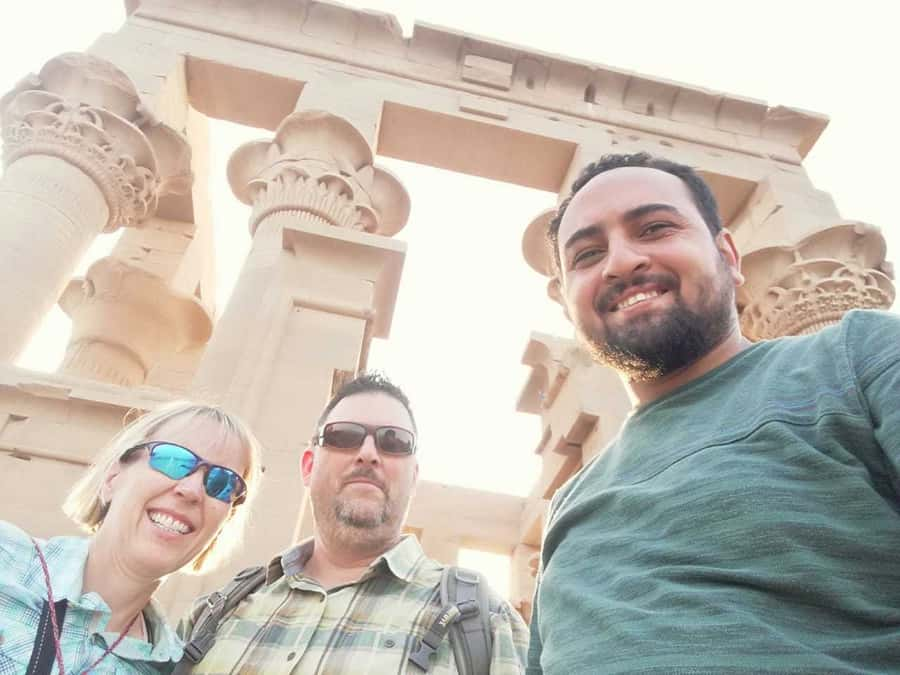
Book this Nile cruise if you want an efficient, guided route from Aswan to Luxor with strong hotel-style convenience and major ancient sites built in. The food, cabins, ship staff, and Egyptologists are the strongest reasons to choose it.
Before paying, confirm the assigned ship, expected entrance-fee costs, and the current sailing order. If you can accept a schedule that may shift and visits that sometimes move quickly, the $570 package offers a practical way to see Philae, Kom Ombo, Edfu, the Valley of the Kings, Karnak, and Luxor Temple without arranging every piece yourself.
FAQ
Where does the cruise begin and end?
The experience begins with pickup from a hotel in Aswan and finishes in Luxor after the visit to Luxor Temple.
How long is the cruise?
The activity lasts four days and includes three nights on the Nile cruise ship.
Which major sites are included?
The route includes the Aswan High Dam, Philae Island, Kom Ombo Temple, Edfu Temple, the Valley of the Kings, Hatshepsut’s temple, Howard Carter House, Karnak Temple, and Luxor Temple.
Are meals included?
Yes. Meals are included from the first lunch through the final breakfast. Drinks are not included.
Are entrance fees included?
No. Entrance fees are separate from the listed price, along with drinks and WiFi.
Is an English-speaking guide provided?
Yes. The experience includes a live English-speaking guide. Guides named George and Semi have led some departures, though the guide may change during the Luxor portion.
Just added in Aswan
- 4-Days Aswan sails Nile Cruise Luxor &Abu Simbel.Hot air Balloon★ 4.5 · 77 reviews
- Sailing Nile Cruise from Aswan to Luxor for 2 Nights★ 4.5 · 139 reviews
- Private Tour in Aswan : Felucca and Nubian village★ 5.0 · 29 reviews
- Philae Temple and Aswan High-Dam Half-day tour★ 5.0 · 49 reviews
- (3-Nights Cruise From Aswan To Luxor & Balloon, Abu Simbel)★ 4.5 · 23 reviews
- Aswan Philae Temple, Obelisk, and High Dam Private Tour★ 4.5 · 17 reviews
- Day Tour to Abu Simbel from Aswan by Bus★ 4.5 · 25 reviews
- Abu Simbel Private Full-Day Tour from Aswan★ 5.0 · 114 reviews
Nile Cruises, compared.
4-Days Nile Cruise From Aswan To Luxor including Abu Simbel and Hot Air Balloon
Read our review →
4-Day 3-Night Nile Cruise from Aswan to Luxor&Abu Simbel+Balloon
Read our review →
4-Day Nile Cruise from Aswan to Luxor with Guide
Read our review →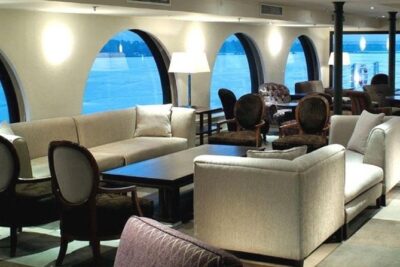
4-Day 3-Night Nile Cruise from Aswan to Luxor – Private Tour
Read our review →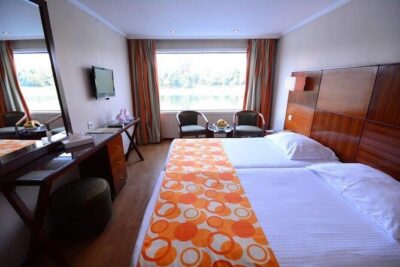
4 Days Nile Cruise Luxor Abu Simbel & Air Balloon
Read our review →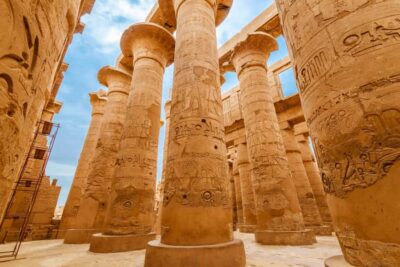
3-Night Nile Cruise to Aswan and Hot Air Balloon
Read our review →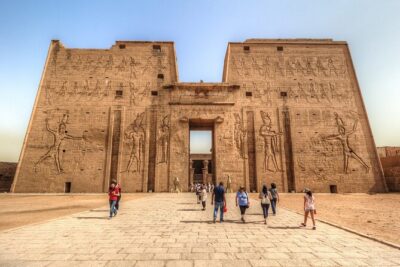
Private 04 Days Days Nile Cruise from Aswan to Luxor
Read our review →Browse the lists this tour appears in