
Reviewed · DENDERA & ABYDOS TEMPLES
From Hurghada: Abydos, Osireion, and Dendera Day Tour
Abydos and Dendera are not quick side trips from Hurghada. They are far inland, and the road can take four to five hours each way. But the reward is a pair of major temple sites that show two very different sides of ancient Egypt: Abydos is solemn and tied to Osiris, while Dendera is colorful, polished, and devoted to Hathor.
I like the way this tour joins Seti I’s finely carved temple with the better-preserved Temple of Dendera. I also like having an Egyptologist guide, since the walls are packed with gods, kings, rituals, and royal names that are hard to understand on your own. The main drawback is simple: this is a very long day, and the road to Abydos can be rough.
Key points
- Abydos connects directly to the cult of Osiris, Egypt’s powerful god of the underworld and rebirth.
- Seti I’s temple is prized for its fine reliefs, among the most carefully carved from the New Kingdom.
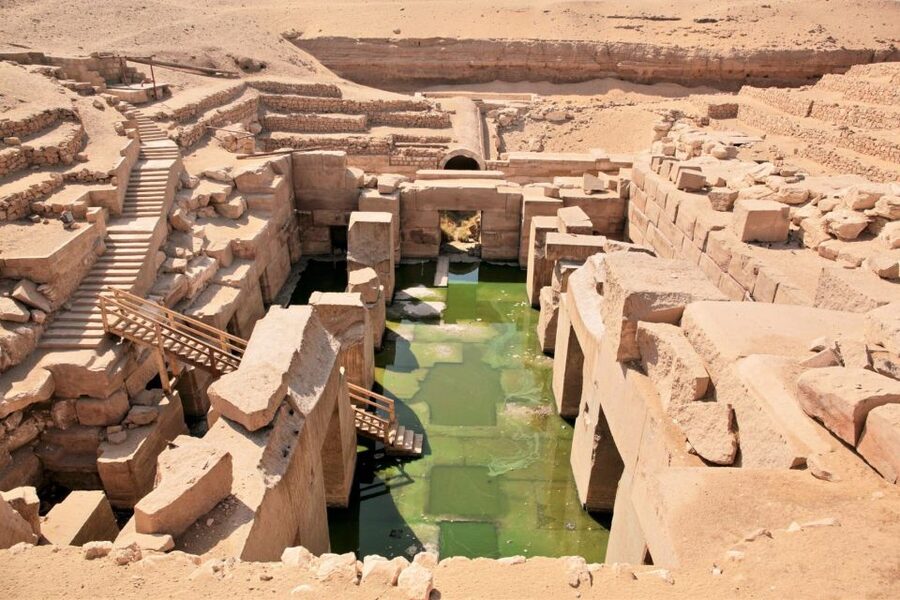
- The Osireion sits behind the temple at a much lower level, linked to underground water and Osiris worship.
- Dendera is one of Egypt’s best-preserved temples, with Roman-era decoration beside traditional Egyptian imagery.
- The ceiling at Dendera is a major highlight, especially when your guide explains its symbols and astronomy.
- The $199 price includes the long transfer, guide, admissions, lunch, water, and hotel service, but pickup outside Hurghada costs extra.
Why make the long trip from Hurghada?
From Hurghada, the famous sites of Luxor are the usual inland choice. Abydos and Dendera take you farther north and offer something different. Instead of focusing mainly on royal tombs and colossal statues, this day centers on temple worship, religious stories, and the way Egyptian beliefs continued under Greek and Roman rulers.
You should expect an early start and a full day on the road. The stated driving time is about four to five hours in each direction, although one completed trip took closer to 12 hours rather than 16. That shorter timing cannot be guaranteed, so I would plan for the longer version and treat an earlier return as a bonus.
The long transfer makes this best for someone who has already seen some of Egypt’s more accessible sights, or for anyone especially interested in ancient religion. You will spend less time at each site than on a multi-day archaeological trip, but you gain access to places that are not practical from Hurghada without private transport.
Other temple days out of Egypt:
- From Luxor: Dendera Temple All-Inclusive Tour & Felucca Ride
★ 4.2 · 207 reviews - Luxor Day Tour Visit Dendara And Abydos Temples
★ 4.6 · 151 reviews - Dendara and Abydos Temples Day Tour from Luxor
★ 4.5 · 133 reviews
Arriving at Abydos and the Temple of Seti I
Abydos was one of ancient Egypt’s most sacred places. It was closely tied to Osiris, the god associated with death, resurrection, and the underworld. That religious connection gives the site a different mood from a royal palace or a monument built simply to display power.
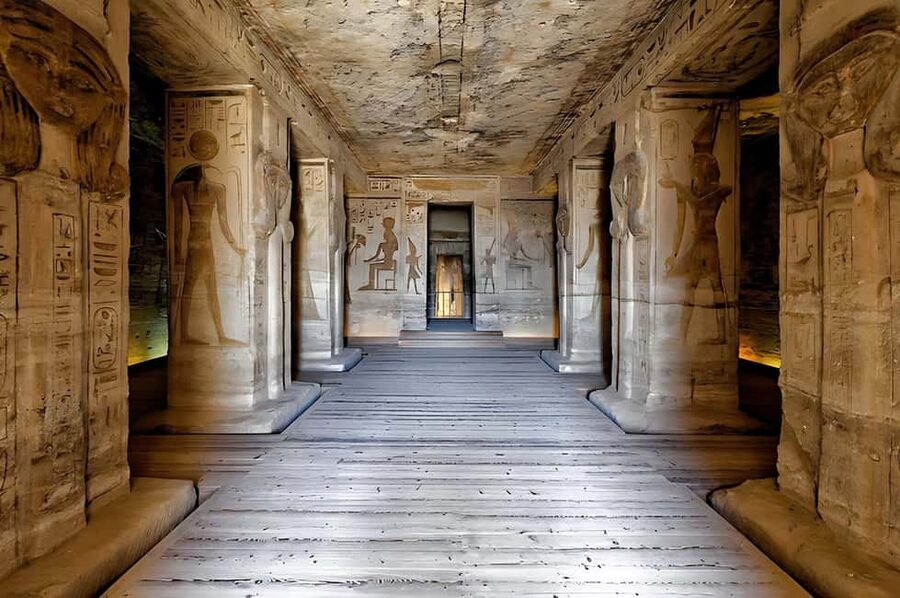
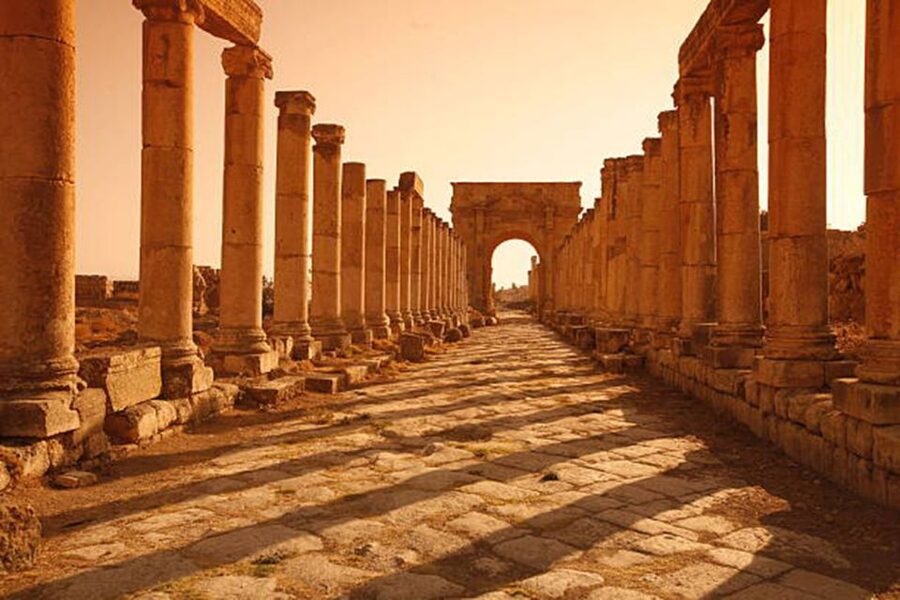
The Temple of Seti I is the main attraction. Its reliefs are known for their fine detail, and your guide can help you read the scenes rather than treating the walls as a blur of familiar Egyptian figures. Look for the way royal ceremonies, gods, offerings, and sacred stories are arranged across the temple.
One especially interesting feature is the Abydos King List, a record of earlier rulers associated with Seti I’s temple. The supplied information does not promise a dedicated stop at every feature, so ask your guide what is accessible on the day. The value of a guide here is clear: you get help sorting out which ruler is shown, what a ritual means, and why Seti I considered this place important.
Abydos is also the part of the tour most affected by road conditions. The route can be rough, and the approach may feel tiring after the early departure. If you are sensitive to long vehicle rides, this should weigh heavily in your decision. Comfortable clothing, water, and a willingness to spend much of the day seated will make a real difference.
The Osireion, water, and the gateway to the underworld
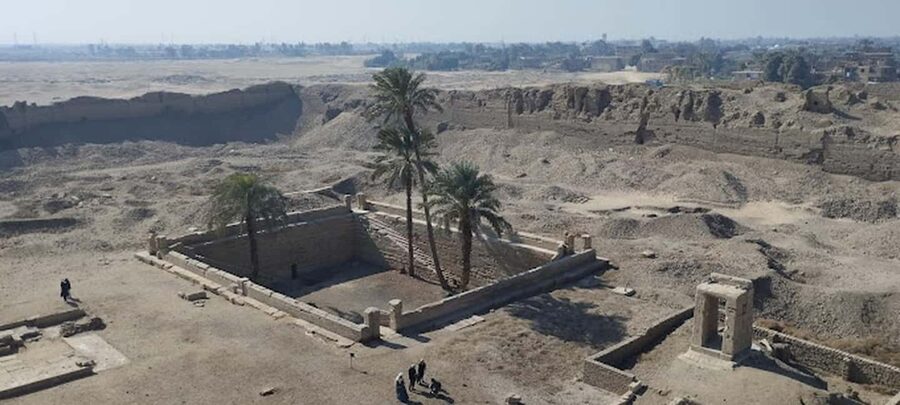
Behind the Temple of Seti I is the Osireion, a striking structure linked to Osiris. It was built at a low level, around 18 meters below the temple, and its design has a watery quality because it was established over ancient underground springs.
This is where the tour’s religious story becomes especially useful. Osiris was not just another figure carved on a wall. He was central to ideas about death, judgment, renewal, and the passage to the underworld. Your guide can explain how the Osireion fits into that belief system and why Abydos became such an important place of worship.
There is an important practical detail here. The current visit generally allows you to view the Osireion from above rather than enter it. Some descriptions call it a stop at the monument, but you should not assume that you will walk down inside. Ask your guide or confirm the day’s access before you set your expectations.
That limitation does not make the site unimportant, but it changes the experience. You are seeing a remarkable structure in its setting and hearing its story, rather than exploring every chamber. The uneven ground and long day also explain why this trip is not suitable for wheelchair users, people with mobility impairments, serious heart problems, or pregnant women.
Lunch and the road to Dendera
Lunch at a local restaurant is included, along with bottled water during the transfers and visits. The meal is described as typical Egyptian food, so this is a useful break from the long drive and a chance to eat something more local than a packaged snack.
Do not expect lunch to turn the trip into a leisurely food tour. The main purpose is to keep you fueled between the two archaeological sites. Bring cash for personal purchases, and keep your day bag small because large bags and luggage are not allowed.
The drive itself gives you a look at parts of Egypt beyond the resort coast. One solo visitor felt safe throughout the trip with guide Omran and driver Ahmet, while another described driver Mahmoud and Omran as especially attentive. Those details matter on a day with many hours in the vehicle. A careful driver and a guide who checks on your comfort can make a difficult schedule much easier.
The specific guide and driver are not guaranteed. Guides may speak English, German, French, Italian, Spanish, or Arabic. If language is important to you, confirm it when booking.
Same base, a different sort of day:
- Hurghada: Luxor Valley of the Kings & Tutankhamun Tomb Trip
★ 4.7 · 13,208 reviews - Cairo: Pyramids & Great Sphinx Private Tour with Camel Ride
★ 4.9 · 6,335 reviews - Tour to Giza Pyramids and The Egyptian Museum
★ 5.0 · 6,016 reviews - From Hurghada: Cairo and Giza Highlights Full-Day Tour
★ 4.5 · 6,014 reviews
Dendera Temple and the world of Hathor
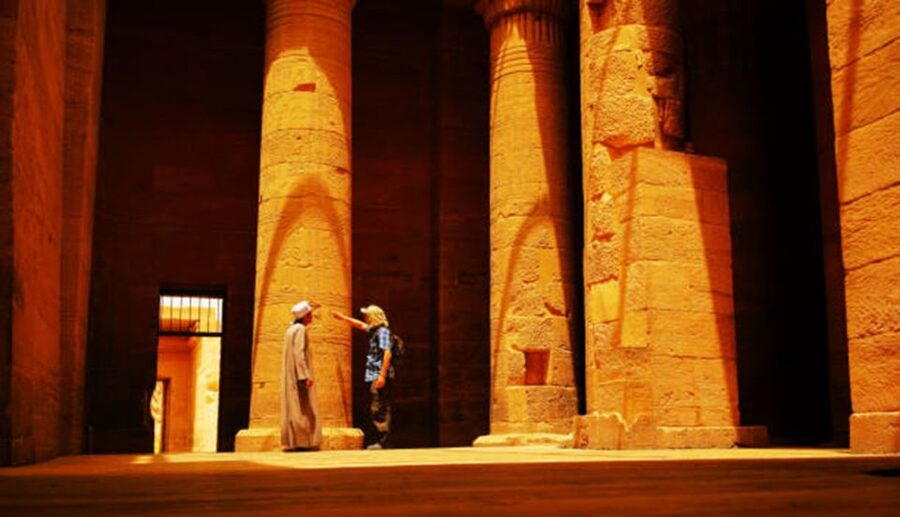
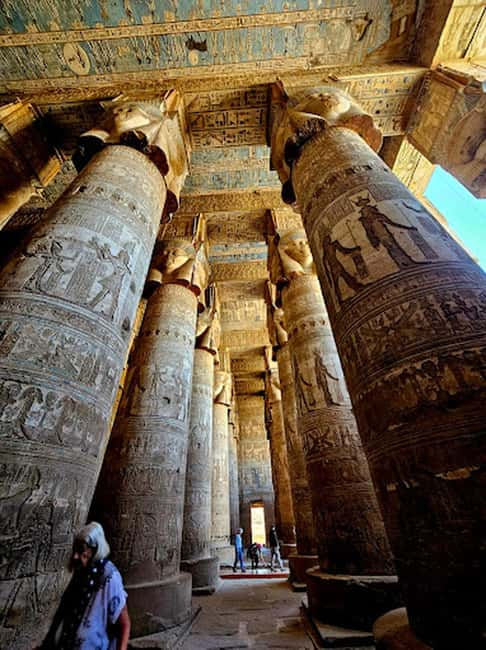
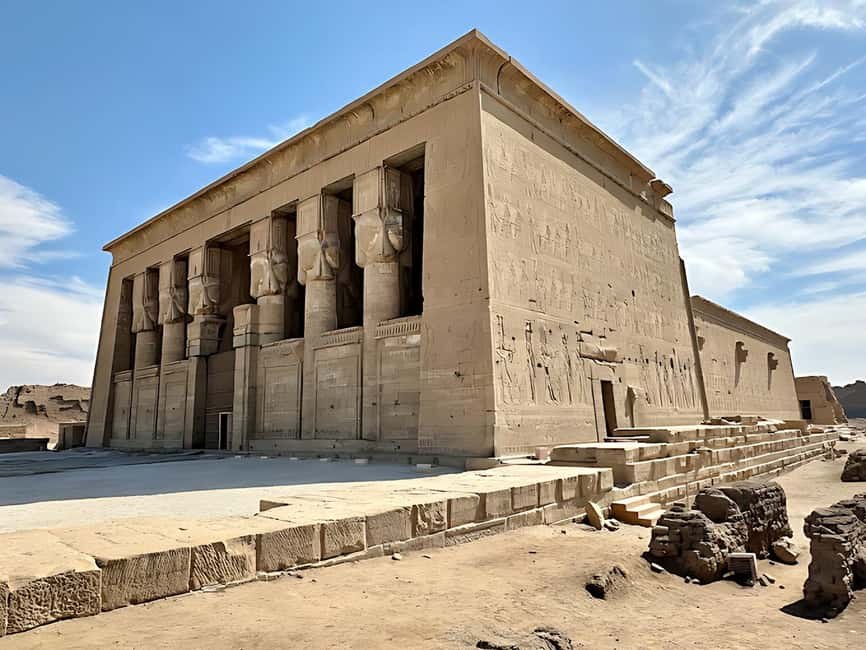
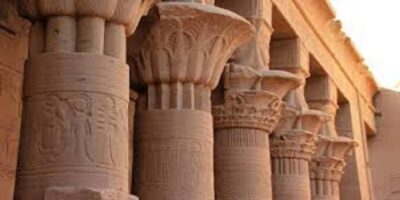
Dendera is the tour’s visual star. The Temple of Hathor is one of Egypt’s best-preserved temple complexes, and much of what you see belongs to the Greco-Roman period. That later date is part of its appeal. You can see Egyptian gods and traditional temple forms alongside decoration connected with Roman rulers.
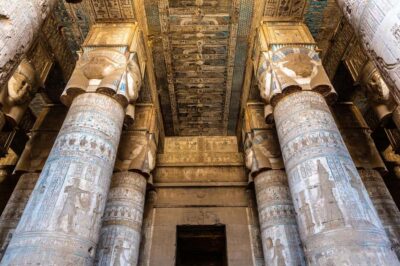
Hathor was associated with love, joy, happiness, music, motherhood, and feminine power. A guide can show you how those ideas appear in the temple’s imagery and explain why Hathor was worshipped across Egypt. Her broad, recognizable face on the columns is one of the site’s most memorable details.
The ceiling is the feature I would save time and attention for. It contains elaborate astronomical and religious imagery, including the famous zodiac design associated with Dendera. The exact viewing conditions can vary, but your guide should help you understand what you are looking at instead of leaving you to stare upward at a mass of dark shapes.
You will also see a depiction of Cleopatra VII. It is a useful reminder that the temple continued to be built and decorated long after the pharaohs of the Old and New Kingdoms. Egyptian religious traditions remained active under foreign dynasties, and Dendera makes that blend visible in stone.
Compared with Abydos, Dendera is usually easier to appreciate at first glance. Its preservation, decoration, and clear dedication to Hathor give it an immediate visual impact. This is why I would not skip Dendera even if the road to Abydos has already tested your patience.
How the guides shape the day
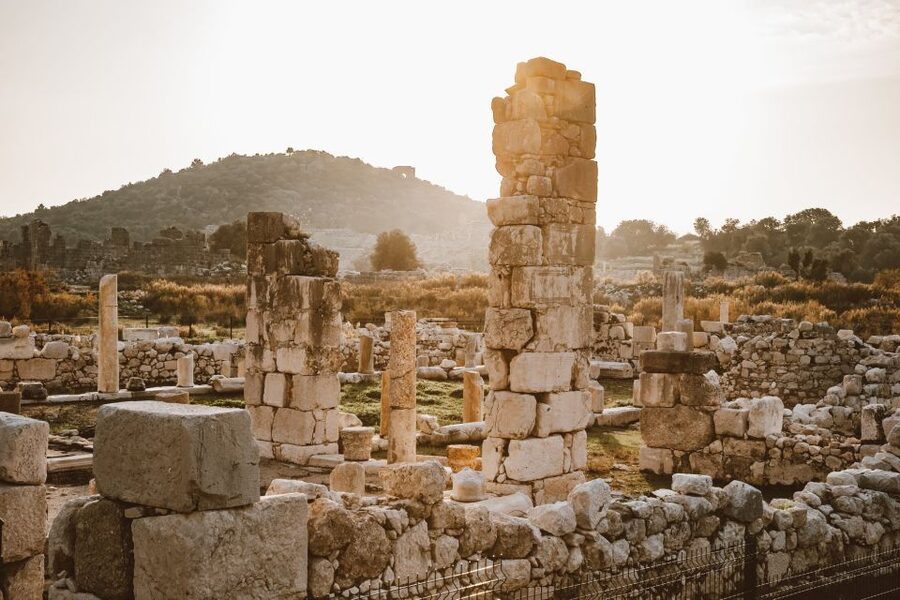
The guide can make or break a temple tour, especially when the visit is compressed into one demanding day. Omran received especially strong praise for explaining the sites in detail, offering local insight, and helping a solo visitor feel safe and comfortable. Aziz was also singled out for bringing the history to life, while Walid was described as caring, friendly, and generous with information.
Those names are useful reference points, not a promise that one of them will lead your trip. The provider is FTS Travels, and guide assignments can change. What you can reasonably expect is a local Egyptologist guide accompanying you at Abydos, the Osireion, and Dendera.
I would ask questions throughout the day. At Abydos, ask how Seti I’s temple differs from later temples. At the Osireion, ask about the water and the structure’s relationship with Osiris. At Dendera, ask how Hathor’s role differs from that of Isis, and what the Roman-era additions tell you about continued Egyptian worship.
The best guide will pace the explanations so you still have time to look quietly. You do not need a lecture beside every wall. A few well-chosen stories can help you remember far more than a flood of names.
What the $199 price really covers
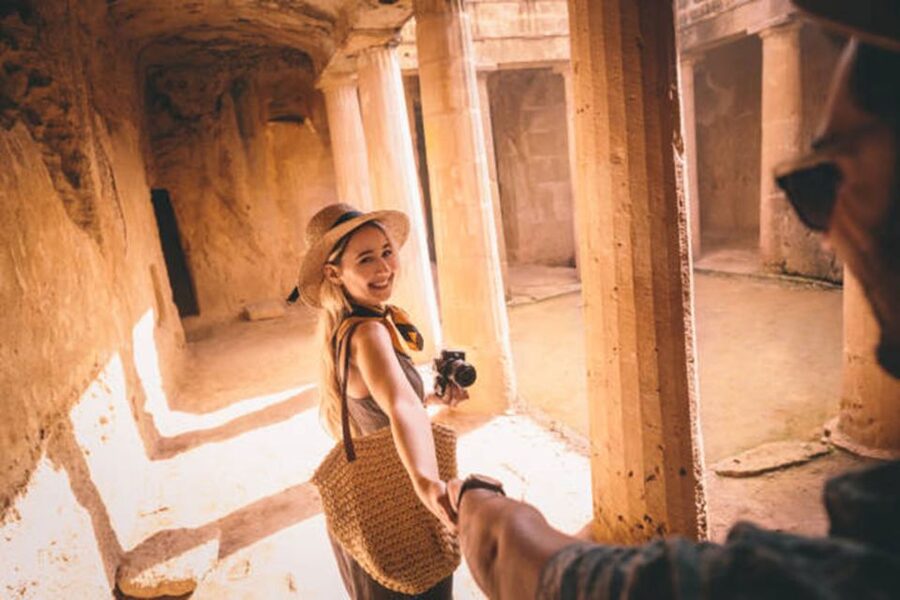
At $199 per person, this is not a cheap day out. The price makes more sense when you count what is included: hotel pickup and drop-off within Hurghada, private transport, entrance fees to the listed sites, an Egyptologist guide, lunch, bottled water, taxes, and service charges.
The main value is convenience. Reaching Abydos and Dendera independently would require arranging transport, admissions, timing, and site interpretation yourself. On a route this long, having a driver and a planned itinerary removes a great deal of logistical work.
The price is strongest for solo visitors or small private groups that want personal attention. A solo guest is not simply paying for a seat on a bus. The guide and driver become part of the safety net during a long day, and the private format can make it easier to ask questions or adjust the pace within the available schedule.
Pickup is included only inside Hurghada city limits. Hotels in Makadi Bay, Sahl Hasheesh, El Gouna, Safaga, and Soma Bay require an extra charge of €10 per person. Check this before booking, since the added transfer fee changes the final cost.
Timing, comfort, and what to bring
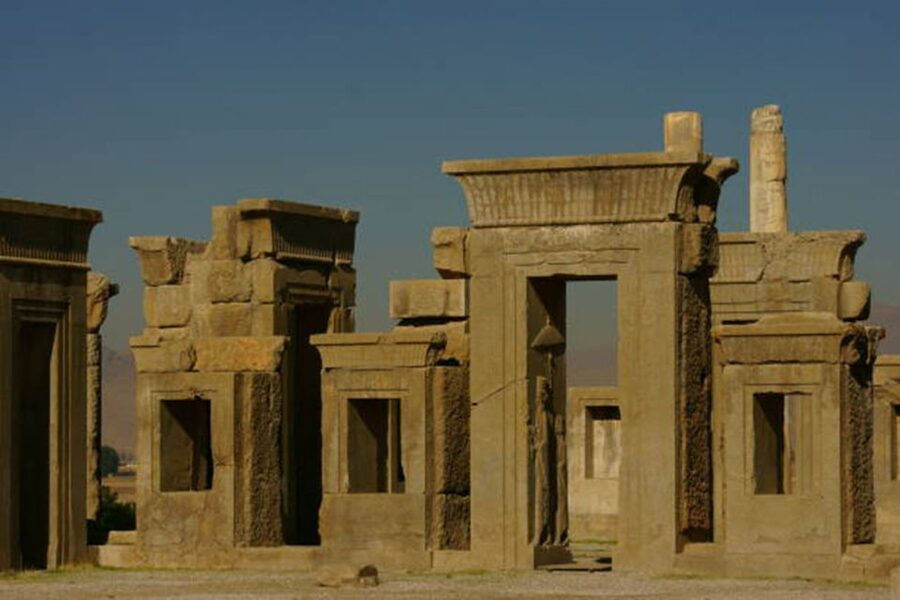
Treat this as a serious archaeological expedition, not a relaxed beach excursion. You will leave early, sit in a vehicle for many hours, walk around temple sites, and return late. The experience is rewarding, but you need enough energy for both Abydos and Dendera.
Wear comfortable clothes and sensible footwear. Sunglasses are useful in the bright conditions, and bottled water is provided. Bring your passport or valid ID because it may be checked at police or military checkpoints along the route.
Leave large luggage at your hotel. Large bags are not allowed on the tour, and there is no reason to bring more than the basics. Cash is also recommended for personal expenses.
The tour is not suitable for young children, pregnant women, wheelchair users, people with mobility impairments, or those with serious heart conditions. That is not a minor footnote. The distance, road time, heat, uneven archaeological ground, and physical demands can turn the day into an ordeal if you have health or mobility limits.
You can reserve and pay later, and cancellation is available up to 24 hours in advance for a full refund. A minimum number of participants may be required, and a cancellation for low participation results in an alternative date or a full refund.
Who should book this Hurghada day trip?
I would choose this tour if you have a strong interest in ancient Egyptian religion and want to see more than the usual coastal excursions. Dendera is excellent for travelers who care about temple decoration, Hathor, astronomy, and the overlap between Egyptian and Roman rule.
Abydos is particularly worthwhile if Osiris and the Egyptian ideas about death and rebirth interest you. The site is less immediately easy than Dendera, and the road can be rough, but the religious importance gives it real weight.
I would hesitate if your holiday schedule is tight, you dislike long drives, or you want a gentle day with plenty of free time. In that case, the four to five hours each way may feel like too much for a single day.
Should you book it?
Book this trip if you are willing to trade a long road day for two major temple complexes and a more focused look at Egyptian belief. The strongest parts are Seti I’s reliefs, the story of Osiris at Abydos, the dramatic setting of the Osireion, and Dendera’s Hathor temple with its remarkable ceiling.
If you go, plan for the full duration, confirm your pickup location and guide language, and ask in advance about access to the Osireion. With the right expectations, the $199 cost is fair for the transport, admissions, guide, lunch, and private-day convenience. If you want only one inland outing from Hurghada, Dendera is the easier favorite. If you want the more unusual pair, take the full journey to Abydos and Dendera.
FAQ
How long does the tour from Hurghada take?
The tour is a long full-day trip, with approximately four to five hours of driving each way. The exact total duration can vary.
Is hotel pickup included?
Hotel pickup and drop-off are included within Hurghada city limits. Pickup from Makadi Bay, Sahl Hasheesh, El Gouna, Safaga, or Soma Bay costs an additional €10 per person.
What is included in the price?
The price includes hotel transport within the included area, entrance fees to the mentioned sights, an Egyptologist guide, lunch, bottled water, taxes, and service charges.
Can I enter the Osireion?
The Osireion is visited as part of the tour, but current access generally means viewing it from above rather than entering the structure. Confirm the access arrangements for your date.
Which languages are available?
The tour is available in English, German, French, Italian, Spanish, and Arabic. Confirm your preferred language when booking.
Do I need to bring my passport?
Yes. Bring your passport or valid ID because it may be checked at police or military checkpoints during the journey.
Is the tour suitable for people with mobility or health concerns?
No. It is not suitable for wheelchair users, people with mobility impairments, pregnant women, people with serious heart problems, or young children because of the long duration and physical demands.
Just added in Egypt
- All Inclusive Tour to Giza pyramids, sphinx, Memphis, Saqqara★ 5.0 · 19 reviews
- Day Trip to the Giza Pyramids, Memphis, and Sakkara★ 5.0 · 30 reviews
- Day-Tour To Giza Pyramids, Great Sphinx, Egyptian Museum & Khan El Khalili★ 5.0 · 112 reviews
- Day Trip to Alexandria from Cairo★ 5.0 · 31 reviews
- Day Tour at The Pyramids,Memphis,Saqqara★ 5.0 · 66 reviews
- 8-Hour Private Tour to Giza Pyramids, Memphis and Sakkara★ 5.0 · 23 reviews
- Private tour to Alexandria from Giza with Lunch and Entrance fees★ 5.0 · 55 reviews
- Day Tour at The Egyptian Museum and Coptic Cairo★ 5.0 · 23 reviews
Dendera & Abydos Temples, compared.
Dendera Temple All-Inclusive Tour & Felucca Ride
Read our review →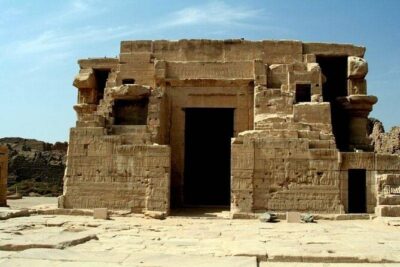
Luxor Day Tour Visit Dendara And Abydos Temples
Read our review →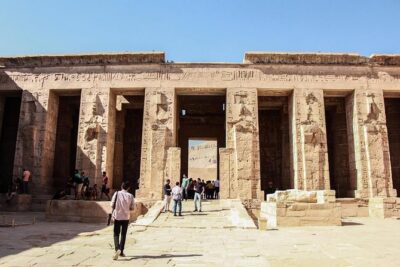
Shared Half-Day tour of Dendera Temple with guide
Read our review →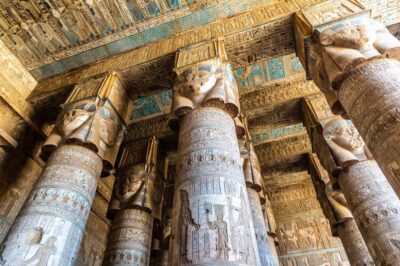
Day Trip to Dendera & Abydos Temples with Guide
Read our review →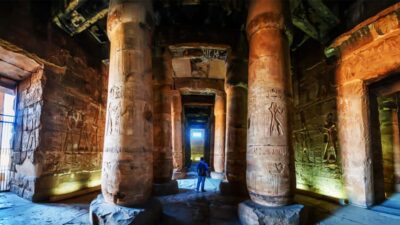
Abydos & Dendera Temples on a Private Day Tour.
Read our review →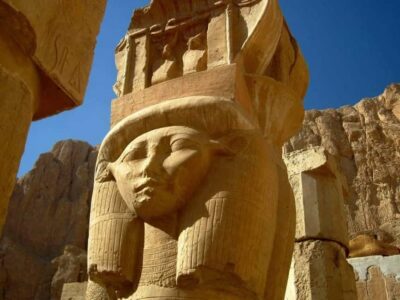
Dendera and Abydos Temples Guided Tour From Luxor
Read our review →Browse the lists this tour appears in