
Reviewed · EGYPTIAN MUSEUM TOURS
Grand Egyptian Museum, Grand staircase, New Galleries & lunch
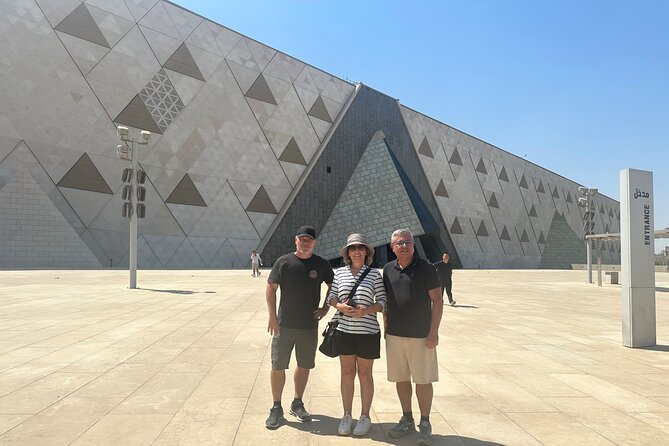
The main attraction here is not just the ancient Egyptian collection. It is the museum itself, a huge modern setting beside the pyramids, where colossi, obelisks, and royal statues get room to breathe. I like the private Egyptologist arrangement, especially when guides such as Ayoub, Mina, Moses, or Manar can adjust the pace and explain why an object matters.
I also like the simple shape of the day: hotel pickup, museum visit, Egyptian lunch, and a ride back. The Grand Staircase and pyramid views add something beyond a standard museum tour. The tradeoff is that you will walk a lot, and the museum’s opening stages and available exhibitions can change, so the advertised route may not always look exactly the same.
Key points to know before booking
- See the museum before every hall is open: The visit focuses on selected public areas, the Grand Staircase, and available galleries.
- A private guide makes a big difference: Ayoub, Mina, Moses, Manar, and other Egyptologists are named among the guides used for this experience.
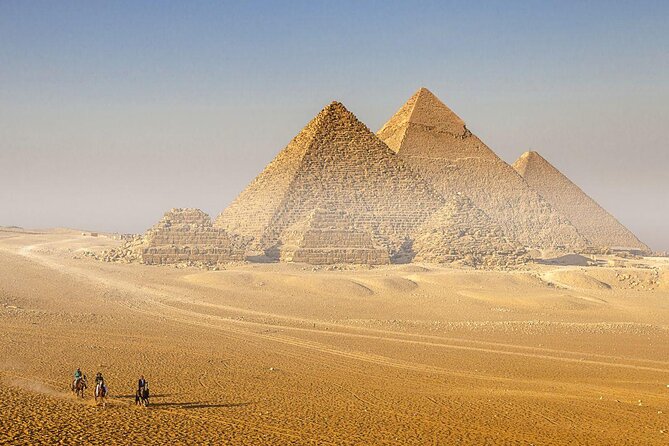
- The Grand Staircase is more than a passage: It displays imposing royal statues and ends with a view toward the Giza Pyramids.
- Lunch is part of the plan: Choose Egyptian staples such as koshary, shawarma, falafel, or baba ganoush at Zooba.
- Transfers remove Cairo’s transport headache: Pickup and return are provided from hotels in Cairo and Giza in an air-conditioned vehicle.
- Expect three to four hours overall: Travel time is included, and the museum portion involves plenty of walking.
Why the Grand Egyptian Museum is worth seeing now
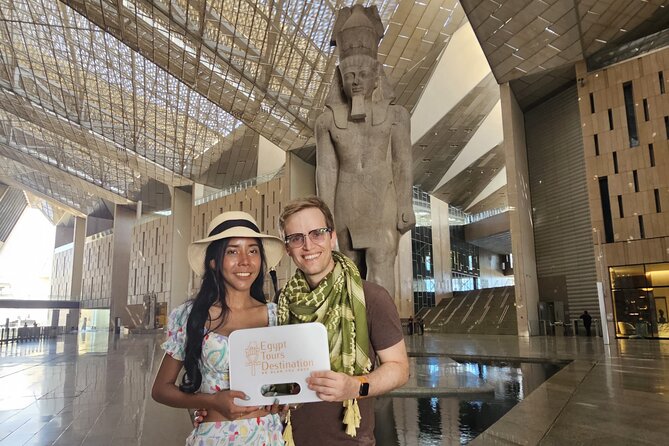
The Grand Egyptian Museum is designed around a single civilization, with the scale to match ancient Egypt’s monuments. Even before every planned section is available, the approach gives you an immediate sense of size. The open court, the hanging obelisk linked to Ramses II, and the colossal red-granite statue of Ramses II make a stronger first impression than a small introductory gallery ever could.
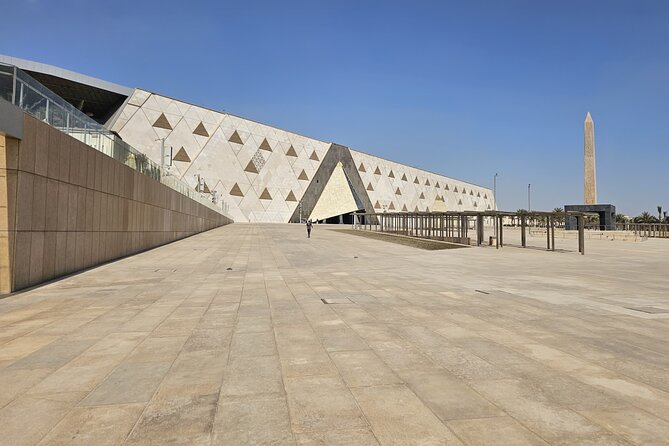
I like this early part because it lets you see the museum as architecture as well as a collection. The outdoor spaces are broad, and the large objects are not crowded into tight rooms. You can look up, step back, and take in the full shape of a statue.
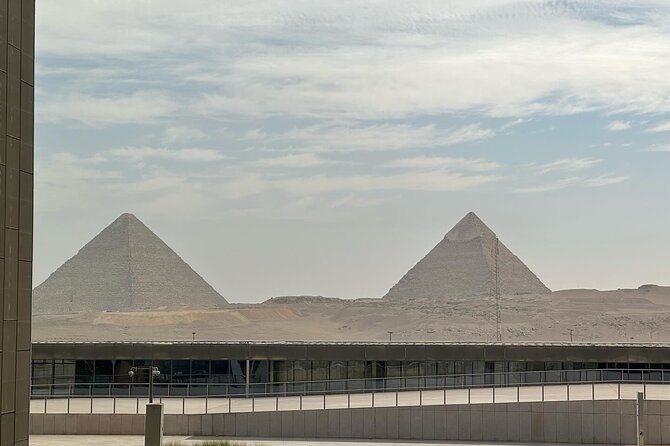
The museum sits close enough to the pyramids for the upper views to become part of the experience. That setting matters. Ancient Egyptian objects can feel disconnected when they are seen in a city museum far from their original world. Here, the Giza Pyramids help establish a visual link, even if you are only seeing them from the museum.
This is still a work in progress in practical terms. The description of the experience refers to select areas and a museum that is not fully open in every phase. Before booking, check which galleries are operating on your date. The tour remains useful, but you should not assume that every planned collection or special exhibition will be available.
Other museum visits people book in Cairo:
- Tour to Giza Pyramids and The Egyptian Museum
★ 5.0 · 6,016 reviews - Cairo 8 Hour Private Tour of Pyramids, Egyptian Museum and Bazaar
★ 5.0 · 2,931 reviews - Cairo: Grand Egyptian Museum, Pyramids, Sphinx Tour & Lunch
★ 4.7 · 2,282 reviews
Stop 1: the open court, obelisk, and Ramses II
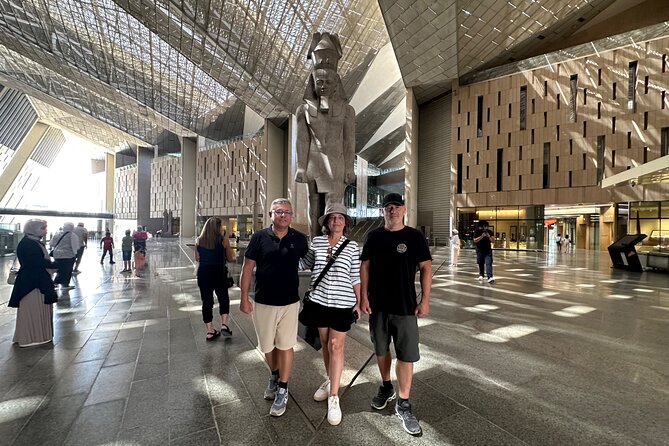
Your visit begins with the Grand Egyptian Museum’s open court. The first major sight is the hanging obelisk associated with King Ramses II, described as the first hanging obelisk of its kind. The design allows you to view the monument from below, giving a familiar ancient form a distinctly modern presentation.
You then enter the courtyard, where the great statue of Ramses II commands attention. It was carved from one enormous piece of red granite, and its size is hard to grasp until you are standing close to it. This is the sort of object that benefits from a guide. A good explanation can point out the king’s pose, the symbols of authority, and the way the museum has positioned the statue.
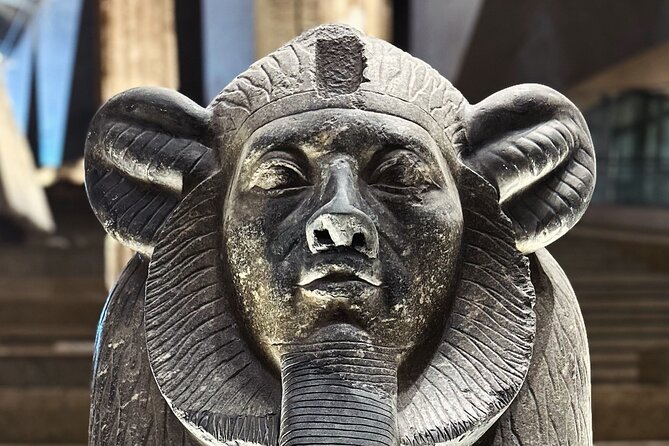
Other colossal statues are displayed around the court. The guide can help you separate the objects that deserve a long look from those that are best understood as part of the overall setting. That is useful because the first open spaces can feel visually overwhelming.
You also have time to visit the official museum shop and see the nearby restaurants and coffee shops. These are practical additions rather than major tour highlights, but they give you a chance to pause before the more structured museum walk.
The listed time for this stop is about one hour, with admission included. Since the entire activity lasts three to four hours and includes transfers, your actual time in each section may vary. Do not expect an unhurried morning spent in every room. This is a focused introduction.
Stop 2: climbing the Grand Staircase
The Grand Staircase is the visual centerpiece of the visit. It connects different levels by steps, travellators, and elevators, and it leads toward a panoramic view of the Giza Pyramids. You do not need to treat it as a simple route from one floor to another. It is also an exhibition space filled with large statues and architectural pieces.
Among the objects listed here are the red-granite colossus of King Seti I, a statue of Queen Hatshepsut, pillars, columns, and the tops of obelisks associated with ancient Egyptian rulers. Their scale is the point. You are looking at objects made to project royal power, and the broad staircase gives them room to do so.
The guide’s role is especially valuable here. Without context, a long series of kings and queens can blur together. Guides such as Ayoub, Mina, Moses, and Manar have been praised for explaining the objects, the museum layout, and the larger story of Egyptian culture. Moses, in particular, is described as having advanced training in Egyptian history and as helping with navigation through the enormous building.
At the top or along the route, you may get the museum’s best exterior view, with the pyramids in the distance. The exact sightline can depend on where the tour is allowed to go that day, but the promise of the view is one of the strongest reasons to include the staircase.
There is a physical cost. You will walk, stand, and move through a large building. Elevators and travellators are available, but this is not a seated sightseeing activity. Wear comfortable shoes and avoid packing your schedule so tightly that you must rush away immediately afterward.
The listed time for this section is about 45 minutes. That is enough for an introduction and photographs, but not enough to study every statue in detail. If you prefer to read every label, you may want a separate museum visit later.
Stop 3: the new galleries and ancient daily life
The new galleries are described as 18 halls containing more than 8,000 newly displayed artifacts from the Ancient Egyptian and Greco-Roman periods. The emphasis is not only on kings and monumental sculpture. You can also see objects connected with makeup, farming, fishing, hunting, warfare, and household life.
That wider selection is important. Monumental statues show what rulers wanted remembered, while tools and everyday objects reveal how people worked and lived. A guide can connect those two sides of the collection, explaining how royal power, religion, craft, and ordinary routines fit together.
The galleries include statues of Egyptian kings, along with smaller objects that may need more explanation than their size suggests. A tiny tool or personal item can tell you more about daily habits than another enormous royal figure. Ask your guide to point out the objects that are easy to miss.
This part of the tour is listed at about 30 minutes, which is brief for 18 halls and thousands of artifacts. Think of it as a guided sampler, not a full study of the collection. The benefit is that you get a clear route through the main highlights without trying to plan a vast museum on your own.
The drawback is pace. One experience was described as occasionally rushed, with too much information delivered at once. That is a fair warning. Egyptology covers thousands of years, and a guide can easily give you more names and dates than you can retain. If the explanation starts moving too fast, ask for fewer objects and more time with the best ones.
A private tour gives you a better chance of shaping that balance. You can ask about a statue, request a slower explanation, or tell the guide that you would rather focus on daily life than royal succession. The strongest guides named for this experience, including Ayoub, Mina, Moses, and Manar, are repeatedly described as warm, clear, and willing to answer questions.
A few more things to do in Cairo worth a look
- Cairo: Pyramids, Sakkara & Memphis Tour with Lunch
★ 4.6 · 2,493 reviews - Private tour to Giza Pyramids,Sphinx,Egyptian Museum with Local Lunch
★ 5.0 · 1,530 reviews - From Cairo Alexandria Catacombs, Citadel Day Trip with Lunch
★ 4.6 · 1,312 reviews - From Cairo: Desert Safari, Camel Ride, Magic Lake, & Lunch
★ 4.9 · 1,273 reviews
Egyptian lunch at Zooba
The final planned stop is lunch at the museum’s Zooba branch. This is not an afterthought. It gives you a chance to taste familiar Egyptian foods in a modern local setting, and it breaks up a museum visit that includes a great deal of walking.
You can choose from several traditional options:
- Koshary, made with rice, noodles, chickpeas, lentils, fried onions, and tomato sauce
- Shawarma, with spit-roasted layers of meat served in or with pita
- Falafel sandwiches made with chickpeas or fava beans
- Fava bean sandwiches
- Baba ganoush sandwiches made with eggplant, tahini, garlic, lemon juice, and salt
Mint tea is also part of the experience. Koshary is the most distinctive choice if you want a dish strongly associated with everyday Egyptian eating. It is filling, inexpensive in spirit, and a useful introduction to the country’s mix of grains, legumes, tomato sauce, and crisp onions.
If you prefer something more familiar, shawarma or falafel is an easier choice. Baba ganoush and fava bean sandwiches give you another route if you want meat-free food. The meal is included, so you are not being asked to choose from an expensive restaurant menu after paying for the museum experience.
The meal is scheduled for about 45 minutes. That is enough for lunch and a rest, though the exact timing can depend on the restaurant and the day’s pace. One useful feature is the view toward the pyramids from the restaurant area mentioned in the experience. Even a simple sandwich feels more memorable when the Giza skyline is nearby.
What the private guide adds
The guide is the main reason to choose this package instead of simply arranging museum entry. A large museum can overwhelm you with names, dynasties, symbols, and objects that look similar at first glance. A private Egyptologist gives your group a person to ask, and the pace belongs to your group rather than a large busload.
The strongest guide comments center on people such as Ayoub, Mina, Moses, Manar, and Ahmed Salah. Ayoub is described as especially strong on the historical meaning of the statues and as patient with questions. Mina is praised for handling details and explaining the most important artifacts. Moses is noted for his academic background and for helping visitors find their way through the building. Manar is described as friendly and good at bringing stories to life.
That does not mean every guide will deliver the same style. Some people want dates and dynasties. Others prefer stories about objects, architecture, and ordinary life. Tell your guide what interests you at the beginning. You will get more from the tour if the commentary matches your attention span.
A private format also helps families. Children may not want a long lecture on royal succession, but they might enjoy comparing colossal statues or spotting tools used for fishing and farming. Adults can ask more focused questions without holding up a larger group.
Hotel pickup and Cairo traffic
Pickup and return are provided from hotels in Cairo and Giza in an air-conditioned vehicle. This is a real part of the value. Cairo traffic can be chaotic, and finding the museum, arranging a taxi, and managing a return trip can take energy away from the visit.
The duration is about three to four hours, and travel time is included. That means the museum time is shorter than the total booking length. If you are planning another major sight immediately afterward, leave a generous buffer. Traffic conditions can affect the schedule, and the tour is not designed as an all-day museum study.
The vehicle is also useful after lunch, when you may be tired from walking. Car seats are available for an extra $20 on request. The activity is private, so only your own group takes part, rather than being combined with unrelated parties.
Is the $85.50 price good value?
At $85.50 per person, this is not the cheapest way to see the museum. You are paying for more than admission. The price includes hotel transfers, a private Egyptologist, Grand Egyptian Museum entry, Grand Staircase access, and a traditional lunch.
I think the value is strongest for first-time visitors to Cairo, families, and anyone who wants the museum explained rather than simply entered. Private transport alone can be worth the cost in Cairo, especially if you are not comfortable arranging rides or navigating traffic.
The value is weaker if you live nearby, already have transport, want several hours to read every label, or prefer to explore alone. The three to four hour schedule is a highlights visit. You will see important areas, but you will not cover every planned gallery at length.
The tour is often booked well in advance, with an average booking lead time of about 51 days. That suggests you should not leave it until the last moment if the museum is central to your Cairo plans. Group discounts may be available, and the mobile ticket makes the booking easy to keep with you.
Who should book this museum experience?
Book it if you want a structured first visit with transport, lunch, and a guide who can explain the objects in plain language. It works particularly well when you have limited time in Cairo and want a strong introduction without spending a full day working out the museum’s layout.
It also suits families and small private groups. You can ask for a slower pace, focus on the objects that interest you, and avoid the awkwardness of asking a large group to stop for every question.
Think twice if you want a quiet, self-directed museum day. The route is short, the commentary can be dense, and walking is unavoidable. Also check the current gallery schedule, since the museum’s public areas and special exhibitions can change.
FAQ
How long does the Grand Egyptian Museum tour last?
The experience lasts approximately three to four hours, including travel time from your hotel and the return journey.
Is hotel pickup included?
Yes. Pickup and drop-off are included from hotels in Cairo and Giza in an air-conditioned vehicle.
Is the tour private?
Yes. Only your own group participates in the private activity.
Is lunch included?
Yes. An Egyptian traditional lunch is included, with choices such as koshary, shawarma, falafel, fava bean sandwiches, and baba ganoush sandwiches. Mint tea is also included in the planned meal.
Which parts of the museum are visited?
The visit includes the open court, the hanging obelisk, the statue of Ramses II, other colossal statues, the Grand Staircase, selected new galleries, and available special exhibition areas.
Is the King Tut Immersive Exhibition included?
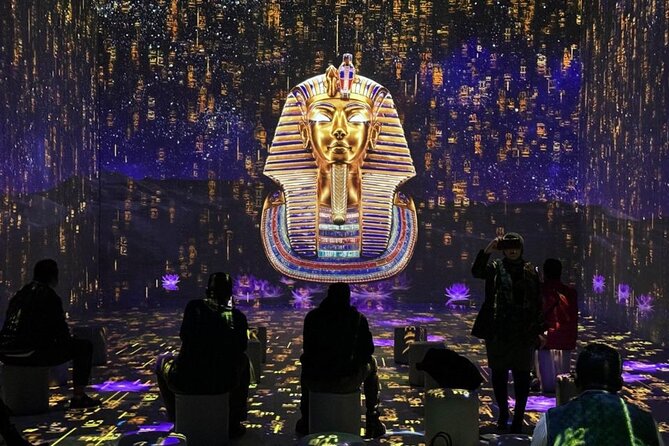
It may be included if available. The information for this experience states that the exhibition was scheduled to end on May 30, 2024, so you should check its current status before booking.
Can I cancel for a full refund?
Yes, if you cancel at least 24 hours before the experience starts. Cancellations made less than 24 hours before the start time are not refunded, and changes within that period are not accepted.
Should you book it?
I would book this tour if you want the Grand Egyptian Museum to make sense from the start. The combination of a private Egyptologist, hotel transport, the Grand Staircase, pyramid views, and an Egyptian lunch gives you a tidy half-day introduction with little planning stress.
Book with realistic expectations. This is a highlights visit, not a complete museum survey, and the available galleries may change as the museum continues its public opening. If you accept the walking and keep an eye on the current exhibition schedule, the $85.50 price is reasonable for a private, guided first look at Cairo’s newest major attraction.
More museums in Cairo
- Cairo: Female-Guided Pyramids, Sphinx & Museum City Tour
★ 4.8 · 1,614 reviews - Best Private Giza Pyramids,Sphinx, New Grand Egyptian Museum
★ 4.5 · 1,056 reviews - Cairo: Egyptian Museum, Citadel, and Old Cairo Guided Tour
★ 4.7 · 853 reviews - Hurghada Day Trip to Giza Pyramids, Sphinx, Museum and lunch
★ 4.4 · 820 reviews
Just added in Cairo
- 2 days 1 night Luxor,Aswan & Abu simbel by flight from Cairo★ 4.5 · 20 reviews
- CAIRO LAYOVER EXCURSION TO GIZA PYRAMIDS SPHINX COPTIC CAIRO and BAZAAR★ 5.0 · 34 reviews
- Cairo Layover Tours To Giza Pyramids Memphis Sakkara Dahshur Pyramids And Bazaar★ 5.0 · 35 reviews
- Giza Pyramids Sound & Light Show At Night★ 4.0 · 74 reviews
- Islamic Cairo Walking Tour: Khan el Khalili, Al-Azhar Mosque★ 5.0 · 96 reviews
- Cairo Food Tours & adventures +30 Tastings★ 5.0 · 146 reviews
- All Inclusive Private Cairo Layover Tour from Cairo Airport★ 5.0 · 50 reviews
- Professional Photo Shoot & Authentic Cairo Walking Tour★ 5.0 · 78 reviews
Egyptian Museum Tours, compared.

Tour to Giza Pyramids and The Egyptian Museum
Read our review →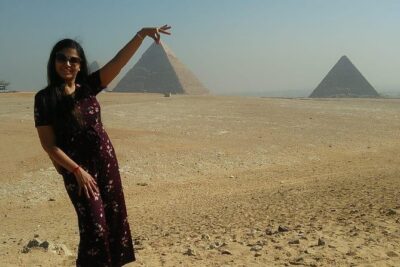
Cairo 8 Hour Private Tour of Pyramids, Egyptian Museum and Bazaar
Read our review →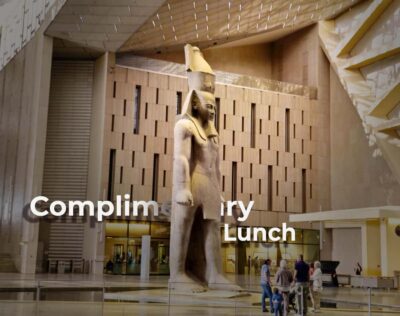
Grand Egyptian Museum, Pyramids, Sphinx Tour & Lunch
Read our review →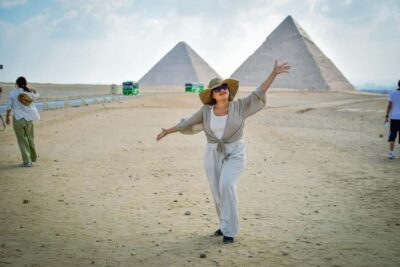
Cairo Pyramids, Sphinx & Egyptian Museum Day Trip
Read our review →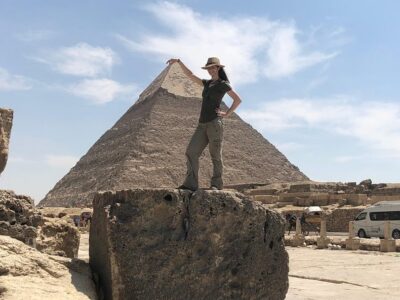
Private tour to Giza Pyramids,Sphinx,Egyptian Museum with Local Lunch
Read our review →
Best Private Giza Pyramids,Sphinx, New Grand Egyptian Museum
Read our review →
Egyptian Museum, Citadel, and Old Cairo Guided Tour
Read our review →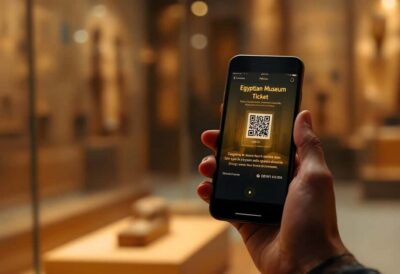
Egyptian Museum of Antiquities online QR Ticket
Read our review →Browse the lists this tour appears in