
Reviewed · VALLEY OF THE KINGS & LUXOR WEST BANK
From Luxor: All-Inclusive West Bank Private Tour with Lunch
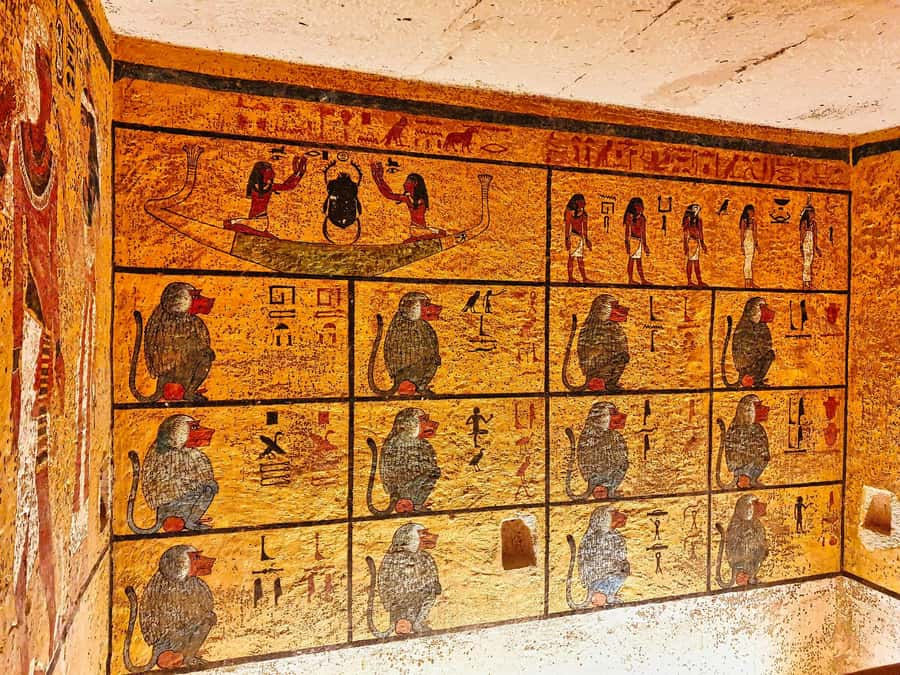
The Valley of the Kings is the main event here. You walk into painted tombs cut into bare rock, then move on to Queen Hatshepsut’s bold temple and the giant Colossi of Memnon. I like the private guide format, which gives you room to ask questions, and the early pickup option, which can get you to the tombs before the heat and crowds build.
The main catch is that five hours goes quickly, especially if you want extra tombs or a slow look at the temple. Entrance fees may depend on the option you choose, and drinks, including water, are not included, so plan for those costs.
Key points to know before you book
- A focused West Bank route: You visit the Valley of the Kings, Hatshepsut Temple, and the Colossi of Memnon, then stop for Egyptian lunch.
- Private guiding makes a difference: Guides such as Mina, Esraa, Ahmed, Asma, and Abanoub have been praised for clear explanations and thoughtful tomb suggestions.
- Book an early start if you can: A 6:45 pickup helped one visitor reach the Valley of the Kings before most of the day’s crowds.
- Tomb choices matter: The standard visit includes selected tombs, while special tombs such as Seti I or Ramses V and VI may require an extra fee.
- Comfortable transport is part of the deal: You ride in a private, air-conditioned vehicle with a driver between sites.
- Lunch is included, drinks are not: The meal is a useful break, though the food experience can vary from very good to simply average.
Why Luxor’s West Bank deserves a full morning
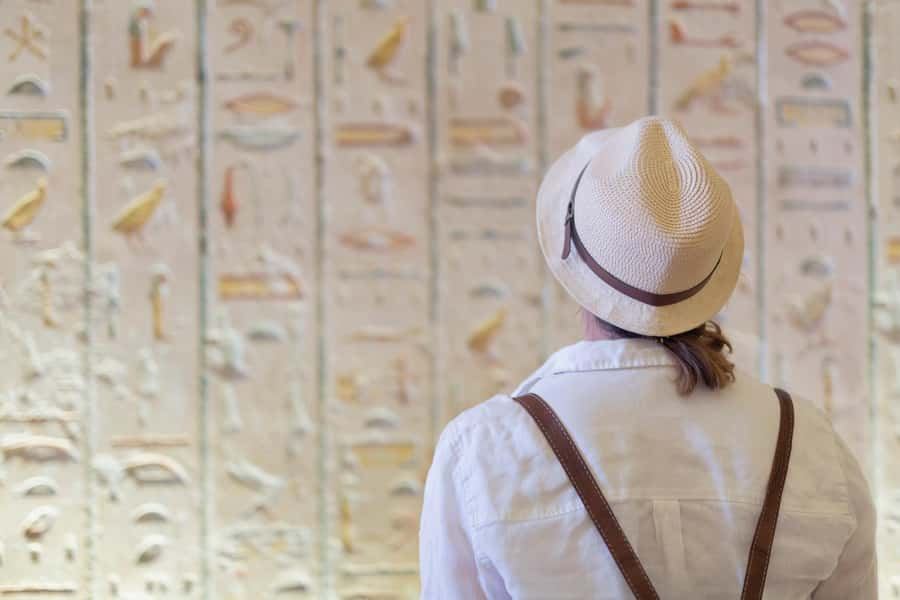
Luxor’s West Bank is where ancient Thebes becomes personal. Instead of viewing monuments from outside, you enter burial chambers built for pharaohs and see the painted scenes meant to guide them into the next life.
This private tour keeps the route simple. You are collected from your Luxor accommodation, cross the Nile, and spend the morning at three major sites before lunch. That arrangement works well if you want the essentials without arranging taxis, negotiating each ride, or piecing together separate tickets.
I especially like the private setup for the Valley of the Kings. The tombs are not self-explanatory, and a good guide can tell you what to look for before you go inside. Guides cannot always enter the tombs with you, so the best method is a short explanation outside, followed by time for you to examine the walls at your own pace.
You should also know that this is not a relaxed, all-day archaeological program. The stated duration is five hours, and Luxor can be punishingly hot. The tour gives you a strong first look at the West Bank, but you may need another visit if you want every major tomb, the Valley of the Queens, or extra sites.
Other west bank days out of Luxor:
- Hurghada: Luxor Valley of the Kings & Tutankhamun Tomb Trip
★ 4.7 · 13,208 reviews - Luxor Day Trip from Hurghada Small Group & Tutankhamun Tomb
★ 4.8 · 5,366 reviews - Luxor Day Tour: Valley of Kings & Queens & Hatchepsut Temples
★ 5.0 · 1,496 reviews
Valley of the Kings: choose your tombs carefully
The Valley of the Kings contains more than 60 tombs, but your admission does not automatically mean you can enter every one. The usual experience involves a selection of open tombs, with certain famous or specially preserved tombs requiring an additional ticket.
This is where your guide earns the private-tour fee. Mina was praised for recommending which tombs to prioritize, while George was noted for giving useful advice about the best order. That kind of help matters because the tombs differ in size, decoration, and atmosphere. You do not want to spend your limited time on a less rewarding choice if a more striking tomb is open nearby.
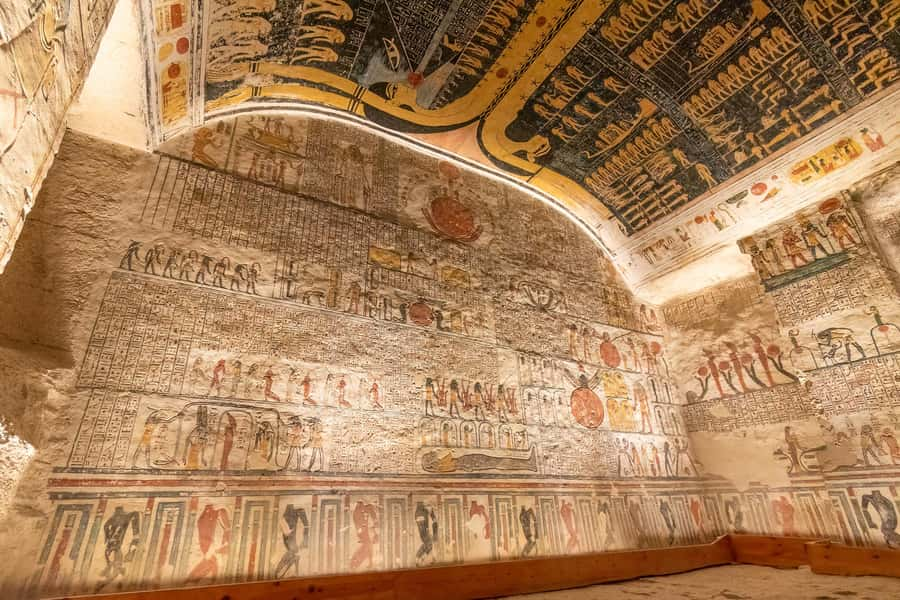
Inside, expect narrow passages, steep sections, and decorated chambers rather than spacious halls. The paintings show gods, rituals, symbols, and scenes connected with the afterlife. Your guide can explain the basic meaning before you enter, then leave you to look closely without a running lecture in a confined space.
Tutankhamun’s tomb is one possible extra. It is famous because of the pharaoh’s intact burial discovery, but the tomb itself is not the largest or most elaborate in the valley. Seti I is another upgrade that can be worth considering, particularly if you want detailed decoration and a quieter experience. Ramses V and VI were also singled out as worthwhile additions.
A useful practical point: arrive early if the schedule allows. A 6:45 pickup helped one participant reach the valley before most other visitors. That does not guarantee an empty site, but it improves your odds of entering the tombs with less waiting and makes the heat easier to manage.
Your guide will usually explain the tomb outside because guides may not be allowed to accompany you inside. Guardians at the tomb entrances may offer additional information, sometimes with an expectation of a tip. Keep your own pace, watch your footing, and do not judge the experience by the valley’s dry exterior. The real spectacle is underground.
Hatshepsut Temple and the power of presentation
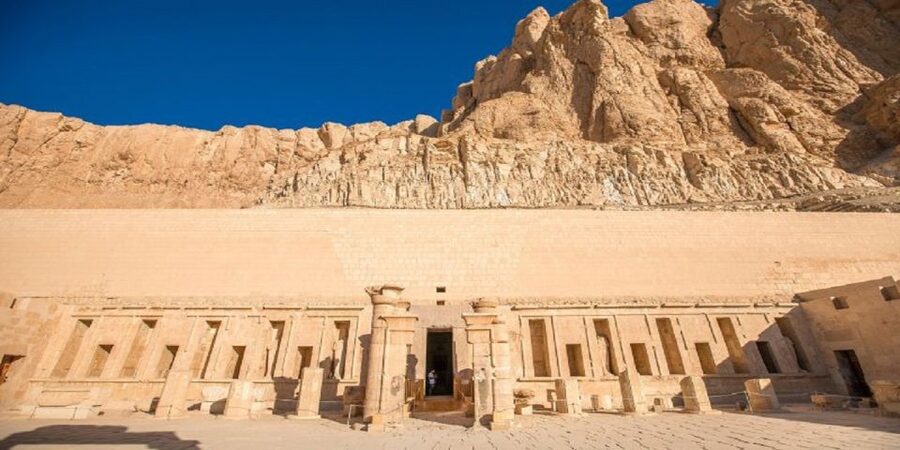
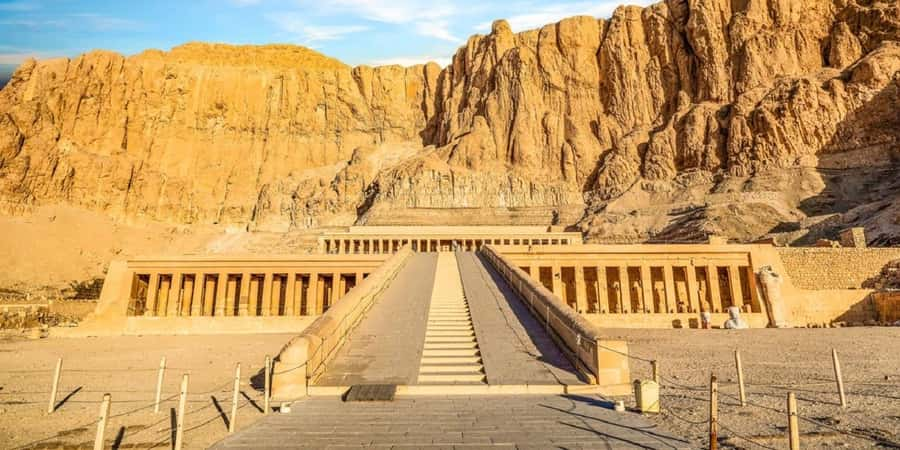
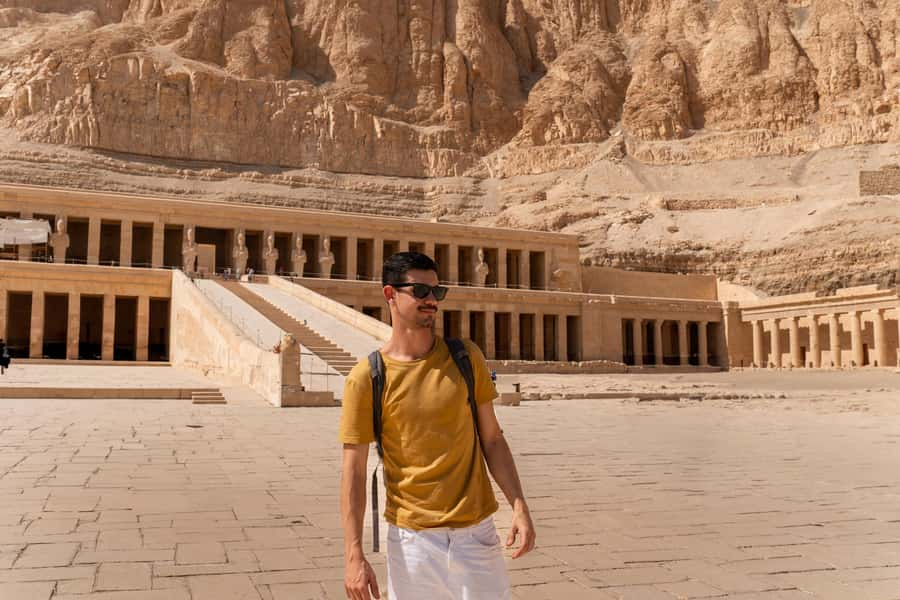
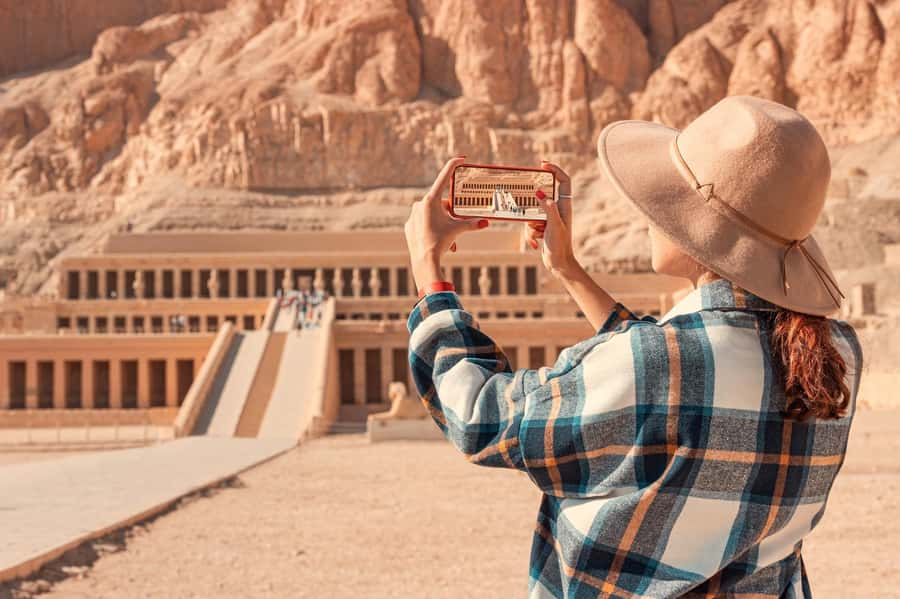
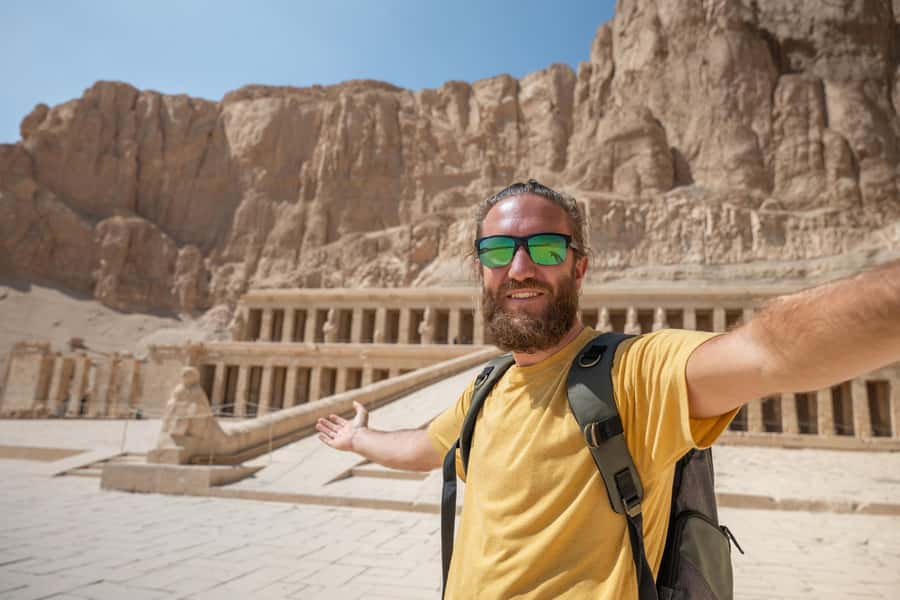
The Mortuary Temple of Hatshepsut is a sharp change from the underground tombs. Built into the cliffs at Deir el-Bahari, it uses broad terraces and long ramps to create a strong visual approach.
Hatshepsut ruled Egypt as a woman in a royal system built around male kingship. She presented herself in the formal style of a pharaoh, including royal imagery that helped support her authority. A good guide can explain this political choice without reducing her story to a simple tale of a woman breaking rules.
The temple is also a good place to step back and take in the setting. The pale stone terraces sit against the rugged cliffs, and the scale feels different from the Valley of the Kings. You are mostly outdoors here, so sun protection matters. Bring a hat, use sunscreen, and carry water even though water is not supplied as part of the package.
You probably will not need as much time here as at the Valley of the Kings. One guide specifically helped keep the visit balanced, giving enough explanation while allowing time for photos and independent viewing. That is the right approach. Hatshepsut Temple rewards a clear introduction, a walk through the main areas, and a few minutes to absorb the design rather than a rushed photo stop.
The Colossi of Memnon: a quick stop with a big visual payoff
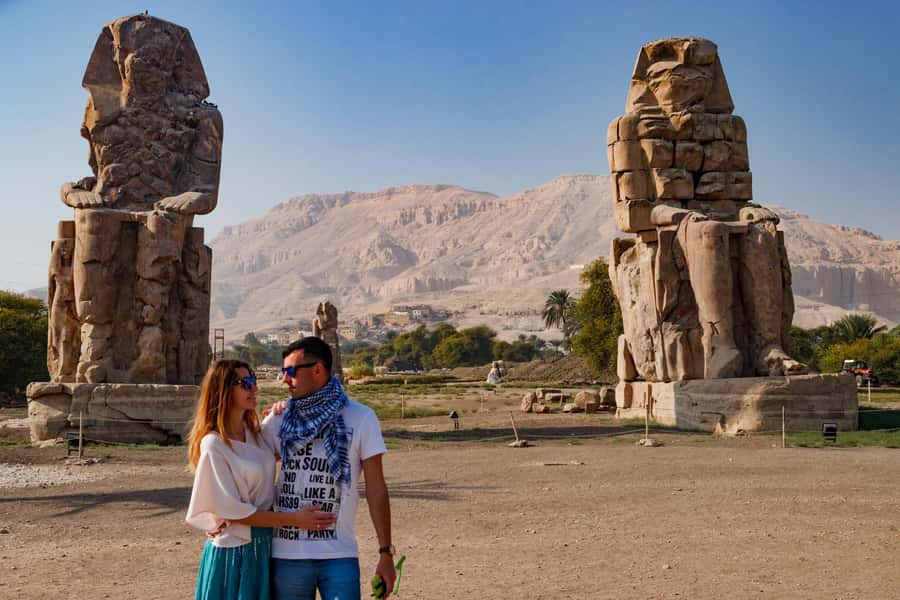
The Colossi of Memnon are two enormous seated statues of Amenhotep III. They have stood for more than 3,000 years and once guarded the entrance to a much larger mortuary complex.
This is usually the shortest sightseeing stop. You stand near the statues, take photographs, and hear the legends connected with them. The figures are damaged, but their size still gives you a useful sense of royal scale. They are easy to appreciate without a long visit, which makes them a sensible final monument before lunch.
Do not expect an enclosed museum or a lengthy walk through a preserved temple. The value is visual and historical: two huge stone figures beside the modern road, surviving from a complex that has largely disappeared. Your guide can connect them to Amenhotep III and explain why they were placed there.
The stop also breaks up the morning. After dark tombs and sunlit temple terraces, you get a quick outdoor pause before the meal.
A few more things to do in Luxor worth a look
- Luxor : Full Day Tour to Luxor West and East Banks & Lunch
★ 5.0 · 870 reviews - Luxor: Karnak Temple and Luxor Temple Tour with Lunch
★ 4.4 · 658 reviews - From Luxor: Guided Tour to East or West Banks with Lunch
★ 4.5 · 604 reviews - Luxor: Abu Simbel Temple Private Guided Day Trip with Lunch
★ 4.6 · 546 reviews
Lunch at a local restaurant
Lunch is included at a local restaurant, giving you a chance to sit down after a busy morning. This is more useful than it sounds. The West Bank visits involve walking, steps, heat, and constant attention, so a proper meal helps you finish the tour comfortably.
The food should be understood as part of a practical sightseeing package rather than a dedicated culinary tour. Some meals have been described as very good, while one assessment found lunch average. That range suggests you should keep expectations sensible. You are paying for the convenience of a local meal included in the route, not for a carefully designed tasting menu.
Drinks are not included, including water. Buy or carry water before the tour, and budget separately for beverages. This is especially important in the hotter months, when the open areas at Hatshepsut Temple and the Colossi can drain your energy quickly.
Lunch also gives you a chance to ask your guide follow-up questions in a less formal setting. If you want to understand a confusing name, dynasty, or tomb scene, this is a good time to ask.
The private vehicle and guide experience
Transport is by private air-conditioned vehicle, with a driver handling the transfers between Luxor and the West Bank sites. That matters in Egypt, where a cool vehicle and a dependable driver can make the difference between an enjoyable morning and a tiring one.
Several guides received especially strong praise for their calm manner, clear English, and willingness to answer questions. Mina, Esraa, Ahmed, Asma, Abanoub, Samar Helmy, and Ali were among the names associated with strong guiding. Ali was described as having about 30 years of experience in Luxor, while Abanoub was praised for combining archaeological knowledge with a relaxed approach.
Your assigned guide may be someone else. That is worth remembering when you book. The experience depends heavily on the individual guide, but the private format gives you a better chance to shape the morning around your interests. Tell the guide if you want more archaeology, more stories about the pharaohs, extra time for photographs, or help deciding which tombs deserve an added fee.
The guides also appear to differ in style. Some focus on detailed history, while others balance facts with humor and practical help. The best feedback came from guides who explained the site first, answered questions patiently, and then gave people freedom to look around.
A useful boundary is that a guide may not enter every tomb with you. That is not necessarily a weakness. You get the explanation before entering and then the quiet space to study the paintings yourself.
Price, inclusions, and the real value at $90
At $90 per person, this is a reasonable value if you want a private half-day with transport, a guide, and lunch. You are paying for more than admission and a car. You also get someone who can organize the route, explain difficult material, and help you decide how to use limited time in the Valley of the Kings.
The value is strongest for first-time visitors. Luxor’s sites are spread out, and the meaning of the tomb paintings is easy to miss without context. A private guide also removes the need to find separate transport for each stop.
Check the exact booking option carefully. Entrance fees are included if that option is selected, which suggests the base price and the ticket-inclusive price may differ. Special tombs can also cost extra. If you want Seti I, Ramses V and VI, or Tutankhamun, ask what is included before you commit.
The price does not cover drinks, and language supplements may apply for Spanish, German, or French guiding. Arabic and English guiding are listed, with several other languages available depending on the arrangement. Confirm your preferred language and any added cost at booking.
Free cancellation up to 24 hours before the tour and reserve-now, pay-later terms add useful flexibility. They do not change the sightseeing itself, but they help if your Luxor schedule depends on trains, flights, or a Nile cruise.
Who should book this West Bank tour?
I would choose this tour if you have one morning in Luxor and want the major West Bank sights handled in a sensible order. It suits couples, families, and small private groups who prefer to ask their own questions rather than follow a large coach group.
It is also a good fit if the Valley of the Kings feels intimidating. Your guide can help you understand the ticket choices, select tombs, and explain the symbols before you enter.
You may want something longer if you have a full day available. The five-hour schedule does not leave much room for extended photography, extra tombs, the Valley of the Queens, or other West Bank locations. One participant visited the Valley of the Queens during a similar outing, but the core route described here centers on the three main sites listed above.
Summer visitors should take the heat seriously. An air-conditioned car helps between stops, but it does not cool the valley, temple, or statue site. An early pickup is the smartest choice, along with water, light clothing, and shoes suited to uneven ground.
Should you book it?
Book this tour if you want the classic Luxor West Bank experience with a private Egyptologist, air-conditioned transport, and lunch arranged in advance. The strongest part is the guide-led visit to the Valley of the Kings, where advice about tomb selection can save both time and money.
Before paying, confirm three things: the exact entrance option, the price of any special tombs, and the language of your guide. If you do that and accept the fast five-hour pace, $90 is a fair price for a focused introduction to Luxor’s most famous ancient sites.
FAQ
How long does the Luxor West Bank tour last?
The tour lasts five hours, including transportation, sightseeing, and lunch.
Where does pickup take place?
Pickup is from your accommodation in Luxor, with return to Luxor at the end of the tour.
Which sites are included?
The route includes the Valley of the Kings, the Mortuary Temple of Hatshepsut, and the Colossi of Memnon, followed by lunch at a local restaurant.
Is lunch included?
Yes. Lunch at a local restaurant is included, but drinks, including water, are not included.
Are entrance fees included?
Entrance fees are included if you select the option that includes them. Check the exact option when booking, since ticket arrangements can vary.
Can I visit special tombs in the Valley of the Kings?
Special tombs such as Seti I, Ramses V and VI, and Tutankhamun may require an additional fee. Ask which tombs are covered by your ticket before entering.
What languages are available for the guide?
Arabic, English, French, German, and Spanish are listed as available languages. Spanish, German, or French guiding may be offered as an add-on, so confirm the cost and language arrangement before booking.
Can I cancel the tour?
You can cancel up to 24 hours in advance for a full refund. The activity also offers a reserve-now, pay-later option.
Just added in Luxor
- Private Full Day West Bank: Valley of kings Hatshepsut &More★ 4.9 · 40 reviews
- Luxor: Karnak and Luxor Temples Private Half-Day Tour★ 4.7 · 27 reviews
- From Hurghada: Luxor Private Guided Day Tour with Lunch★ 4.6 · 28 reviews
- From Luxor: 3-Day Nile Cruise to Aswan with Private Guide★ 4.2 · 147 reviews
- Marsa Alam : Over Day Tour to Luxor & Balloon Ride & Felucca★ 4.4 · 29 reviews
- Marsa Alam: Snorkeling with Sea Turtles Marsa Mubarak★ 4.9 · 26 reviews
- Luxor: Valley of The Kings and Hatshepsut Temple Day Trip★ 4.3 · 55 reviews
- Luxor: Habu, Deir El Medina, Shared tour, Guide, and Lunch★ 4.7 · 21 reviews
Valley of the Kings & Luxor West Bank, compared.
Luxor Valley of the Kings & Tutankhamun Tomb Trip
Read our review →
Luxor Day Trip from Hurghada Small Group & Tutankhamun Tomb
Read our review →
Small group Hurghada to Luxor, Valley of the Kings by Van
Read our review →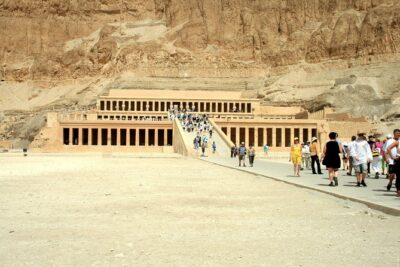
Luxor Day Tour: Valley of Kings & Queens & Hatchepsut Temples
Read our review →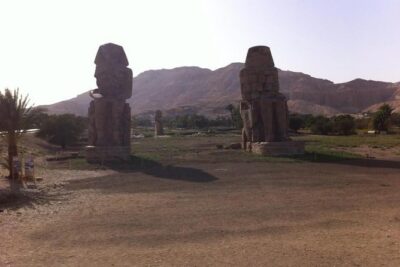
Full Day Tour to East and West Banks of Luxor
Read our review →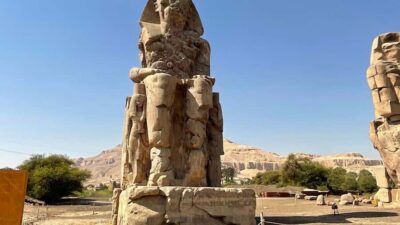
Valley of the Kings and Hatshepsut Temple Day Tour
Read our review →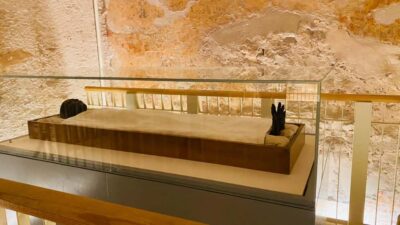
Luxor Tour with Valley of Kings, Karnak & Tut Tomb
Read our review →
Small-Group Luxor Highlights & Tut Tomb Day Tour
Read our review →Browse the lists this tour appears in