
Reviewed · VALLEY OF THE KINGS & LUXOR WEST BANK
Luxor: East and West Bank Private Full-Day Tour
Luxor’s greatest sights are spread across the Nile, and this private tour links them in one long, history-packed day. You’ll enter royal tombs in the Valley of the Kings, stand before Hatshepsut’s striking temple, and finish among the giant columns of Karnak and Luxor Temple.
I like the private format, which gives you room to ask questions and adjust the pace. I also like that lunch, entry fees, bottled water, and hotel, cruise, or airport pickup are included. The tradeoff is simple: eight hours covering five major stops is a full day, and the heat can make the final temple feel like one sight too many.
Key points to know before booking
- A full East and West Bank circuit: You see Luxor’s main ancient sites in one carefully packed day.
- Private guide and vehicle: You travel with your own guide and air-conditioned car rather than joining a large group.
- Excellent guide feedback: Shereen, Sam, Ahmed, Mustafa, Ayman, and Salwa are among the guides praised for clear explanations and patient pacing.
- Royal tombs are the West Bank highlight: The schedule includes the Valley of the Kings and tombs linked with rulers including Tutankhamun, Ramses, Thutmose, Merenptah, and Amenhotep.
- Lunch and entry fees are included: That makes the $105 price easier to judge, especially for a small private group.
- An early start helps: August visitors strongly recommend beginning around 7 a.m. before the afternoon heat builds.
Why this private Luxor tour works well
Luxor is not a place where you simply stroll from one sight to the next. The West Bank and East Bank are separated by the Nile, and each major site is large enough to absorb a good part of your day. Having a driver and guide removes much of the planning work.
You are picked up in Luxor from your hotel, Nile cruise, or the airport. From there, a private air-conditioned vehicle takes you between the sites. That matters in Luxor, where a short outdoor walk can feel surprisingly tiring under the sun.
The private setup is the main reason to choose this experience over a cheaper shared outing. You can ask about a carved figure, spend longer in a tomb, or take time for photographs without waiting for a busload of people. Several guides are praised for explaining a site first, then giving you space to look around on your own.
The guide quality appears to be a major strength. Shereen is praised for clear, detailed explanations. Sam is noted for storytelling and for not making the day feel rushed. Mustafa receives particularly strong praise for his Egyptology background and ability to explain the larger story of ancient Egypt. Ahmed, Ayman, Salwa, Ashraf, and others are also praised for patience, good English, flexibility, and family-friendly explanations.
You cannot select a specific guide from the information provided, so the exact personality and style will vary. Still, the repeated pattern is clear: the guide is intended to be more than a person who points at monuments. Expect context, questions, and help making sense of what you are seeing.
Other west bank days out of Luxor:
- Hurghada: Luxor Valley of the Kings & Tutankhamun Tomb Trip
★ 4.7 · 13,208 reviews - Luxor Day Trip from Hurghada Small Group & Tutankhamun Tomb
★ 4.8 · 5,366 reviews - Luxor Day Tour: Valley of Kings & Queens & Hatchepsut Temples
★ 5.0 · 1,496 reviews
The Valley of the Kings and its royal tombs
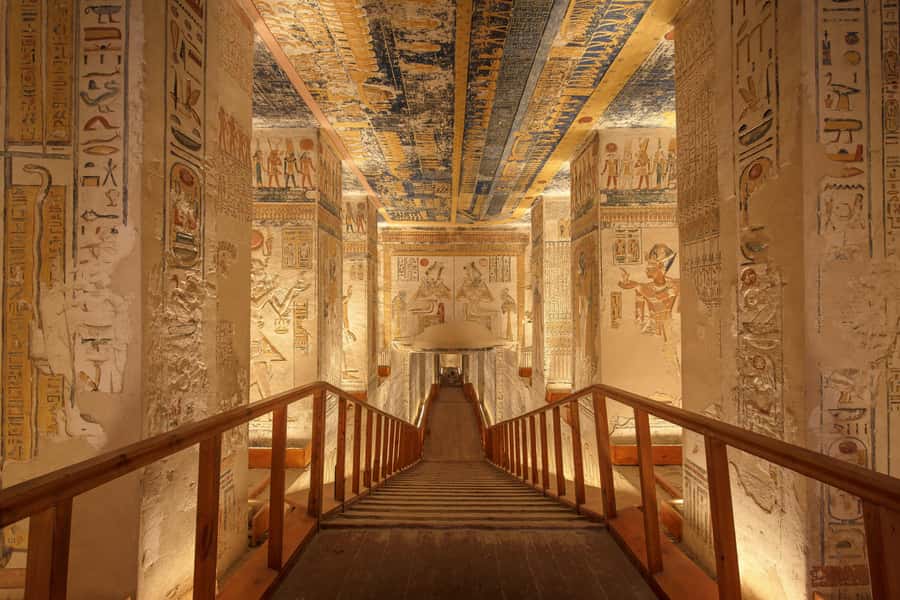
The West Bank begins with the Valley of the Kings, the emotional high point for many people on this tour. Here, the royal tombs are cut into the dry hills rather than built as visible monuments. The important part is below ground, where painted scenes and hieroglyphics still line the passageways and chambers.
The tour information names tombs associated with Thutmose, Tutankhamun, Ramses, Merenptah, and Amenhotep. Your guide can help you understand the purpose of the tombs, the decoration, and the beliefs behind the journey into the next world.
Give yourself time to look closely. A guide may explain the meaning of a figure or inscription, but the quiet pleasure comes from noticing the color, repeating patterns, and fine details for yourself. The best guides on this experience appear to use a sensible rhythm: explanation first, then time to explore and photograph.
The hour listed for this stop is a useful guide rather than a strict promise. If you are fascinated by ancient Egypt, the private format may let you ask for extra detail or see additional tombs if the schedule allows. One visitor specifically praised being able to add the tomb of Seti I, while another said the group saw more tombs than expected.
The Valley is also where the physical demands begin. There is outdoor walking, exposed sun, and time spent moving between tombs. Wear practical shoes, bring the included water, and keep your expectations realistic. You are seeing one of Egypt’s great archaeological areas in a morning, not spending a quiet half-day in one tomb.
Hatshepsut’s temple at Deir el-Bahari
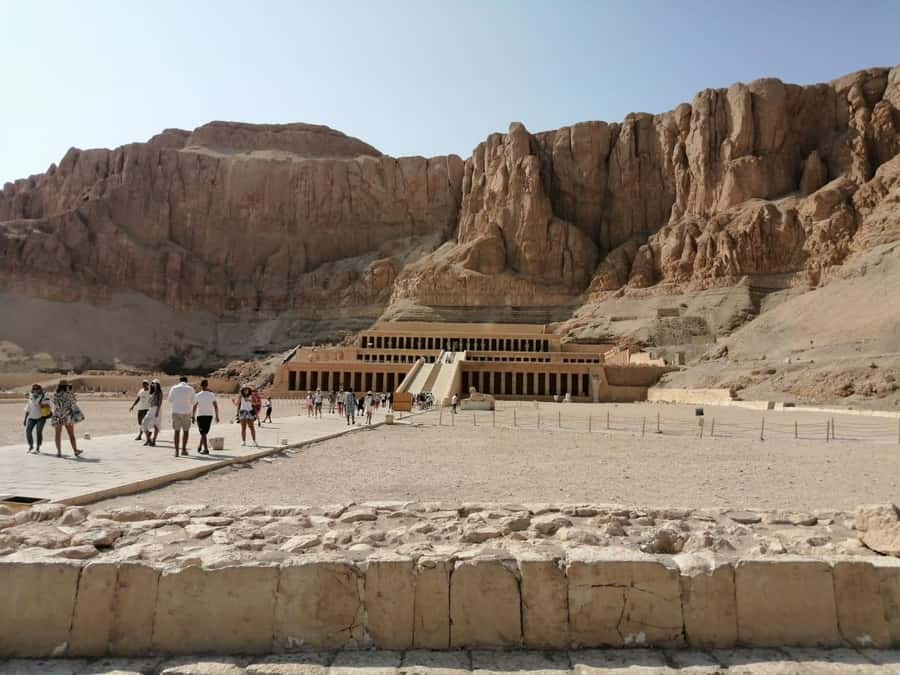
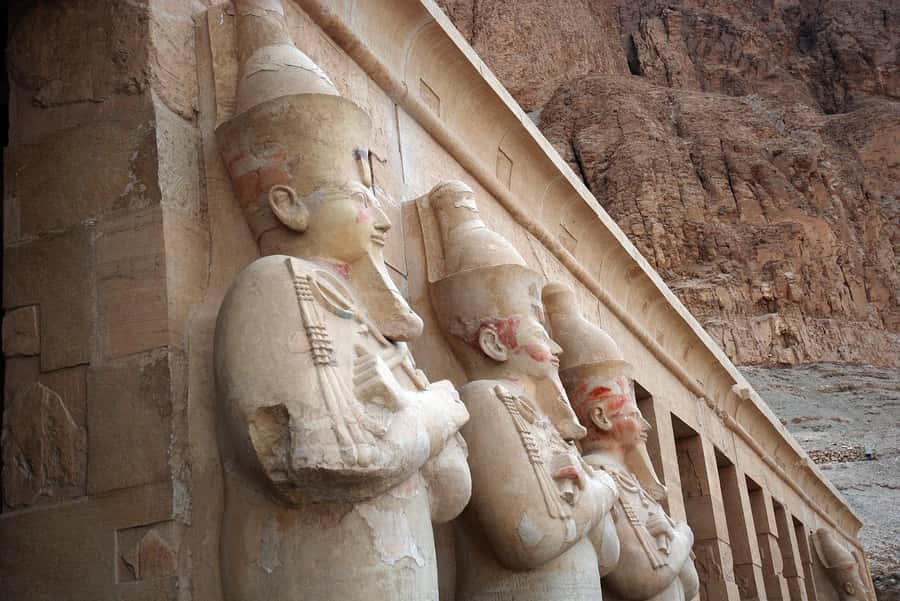
From the Valley of the Kings, the tour continues to the Mortuary Temple of Queen Hatshepsut, also known as Deir el-Bahari. The temple rises in broad terraces against the cliffs, giving it a different feel from the enclosed tombs.
Hatshepsut ruled Egypt for about 20 years during the 18th Dynasty and was the only woman presented in the tour description as having ruled Egypt as pharaoh. Her temple offers a useful change of subject after the Valley of the Kings. Instead of focusing mainly on burial, you begin to see how a ruler presented power, worship, trade, and royal identity.
This is a good place to listen carefully to your guide. Hatshepsut’s story is not simply about a woman occupying the throne. It also involves the visual language of kingship and the way ancient rulers shaped their public image. A strong guide can connect the building’s terraces and reliefs with that larger question.
The scheduled visit lasts about an hour. That should give you time to hear the main explanation, walk through the temple area, and take photographs. Several guides are praised for knowing when to stop talking and let you enjoy the setting.
The drawback is exposure. There is little point in rushing this site, but the combination of stone, sun, and walking can drain your energy. If you are visiting in summer, an early start is especially sensible. An August visitor began at 7 a.m. and strongly recommended it because the afternoon became extremely hot.
The Colossi of Memnon in a quick stop
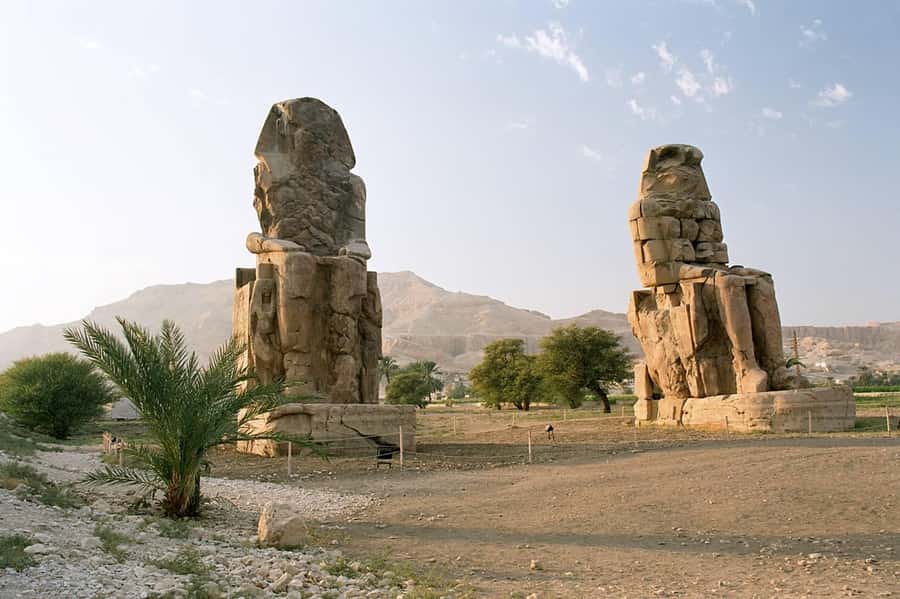
The Colossi of Memnon are the shortest-feeling sight on the route, even though the listed schedule allows an hour. These huge statues are the remains of the mortuary temple of Amenhotep. They sit beside the road, making them easy to reach and ideal for photographs.
Do not expect a complete temple complex here. The appeal is the scale of the statues and the chance to pause and consider what has disappeared around them. Your guide can explain the connection with Amenhotep and the former mortuary temple.
This stop also provides a breathing space between larger sites. You can get out, stretch your legs, take photographs, and avoid turning the entire day into a series of enclosed rooms. Some guides also add short photo stops at other places when timing allows, though those extras should not be treated as guaranteed.
A few more things to do in Luxor worth a look
- Luxor: Shared Full-Day Tour to Luxor West and East Banks
★ 4.5 · 1,812 reviews - Full Day Tour to East and West Banks of Luxor
★ 5.0 · 1,449 reviews - Luxor : Full Day Tour to Luxor West and East Banks & Lunch
★ 5.0 · 870 reviews - Full Day Tour of Luxor West Bank Temples and Tombs (Private)
★ 5.0 · 722 reviews
Karnak Temple and the scale of ancient Thebes
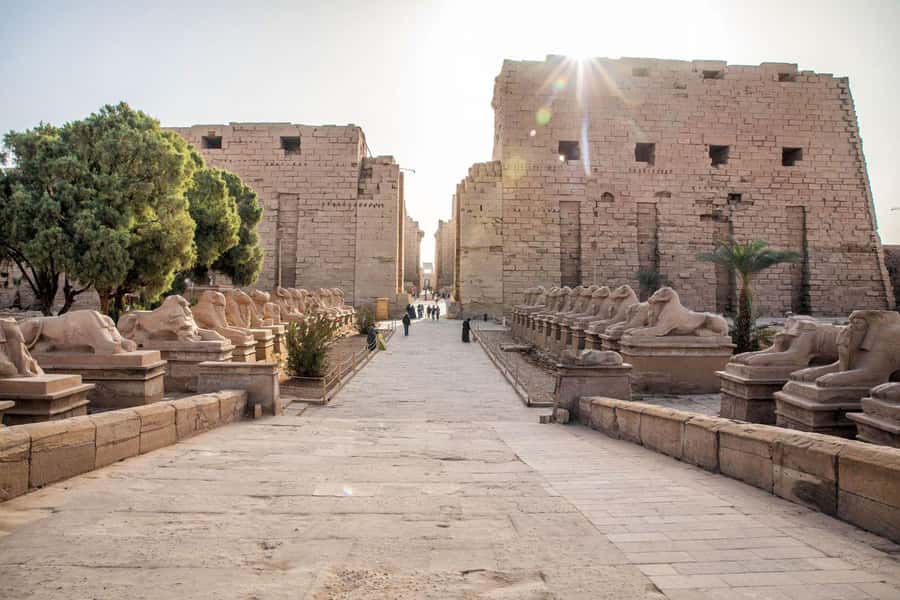
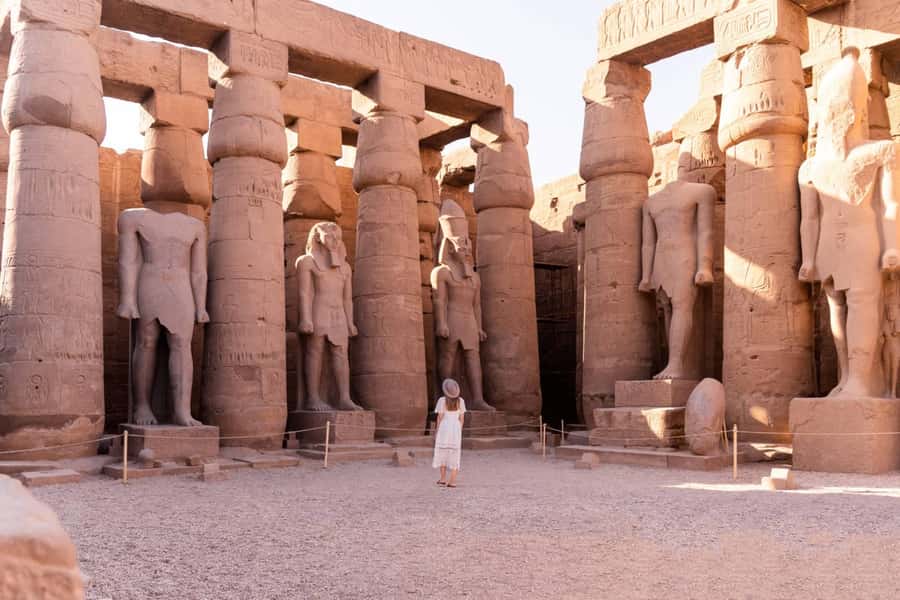
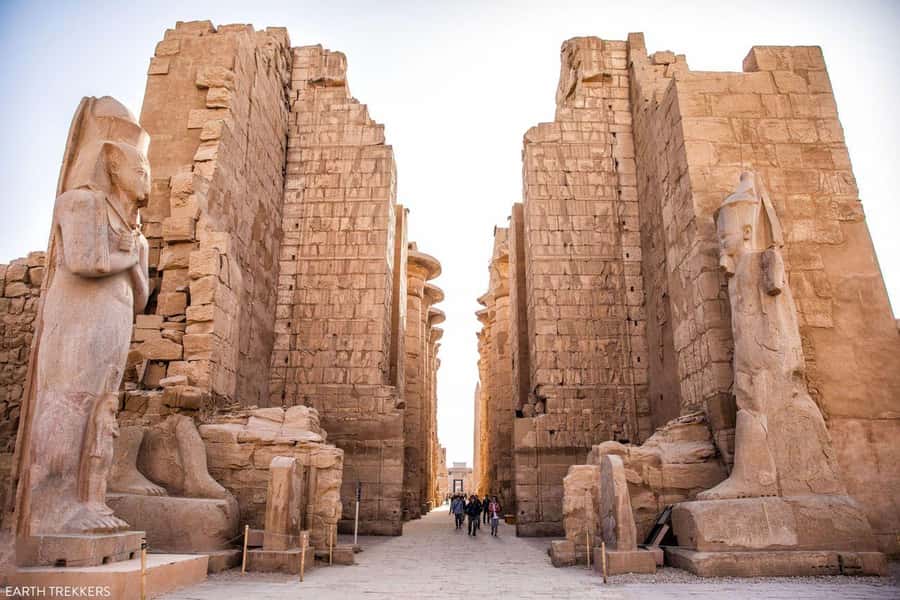
After crossing to the East Bank, you visit Karnak Temple. This is the largest and most expansive stop on the tour, with monumental columns, courts, statues, and sacred spaces connected with Amun, his wife Mut, and their son Khonsu.
Karnak can be difficult to understand without help. Its size is impressive, but scale alone does not explain how the complex developed or why different rulers added to it. Your guide’s job is to give you a map in words: who built what, which gods were honored, and how the temple functioned.
The giant columns are the obvious stars, but look beyond the broad view. Reliefs, carved names, damaged faces, and changes in stonework help show that Karnak was built and altered over a long period. The tour provides about an hour here, which is enough for a strong introduction but not enough to inspect every corner.
This is one reason the private format helps. A guide can focus on what matters most to you. If you care about architecture, you can ask about the columns and courtyards. If royal stories interest you, you can focus on the rulers who added to the complex. If you are with children, guides such as Ahmed and Salwa have been praised for involving younger visitors rather than giving them a dry lecture.
Luxor Temple after the bigger monuments
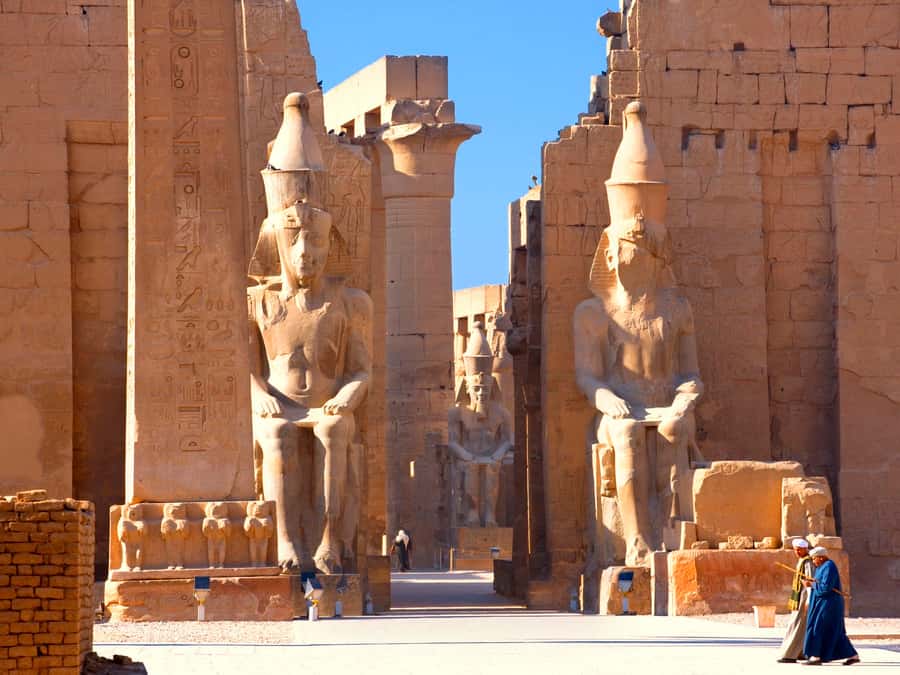
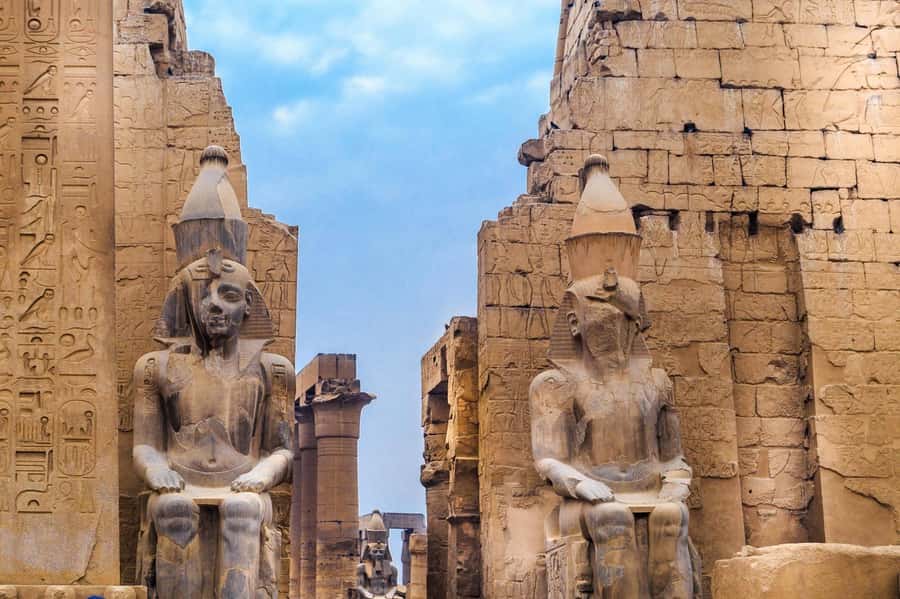
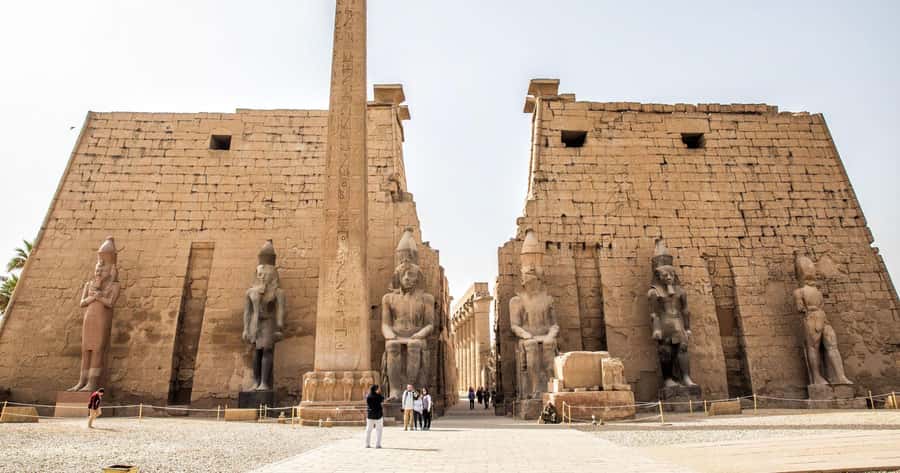
The final major sight is Luxor Temple, begun by Amunhotep in the 18th Dynasty and completed by Ramses II during the 19th Dynasty. Unlike Karnak, which can feel like an enormous religious complex, Luxor Temple is easier to take in as a single monumental statement.
Its columns, statues, and processional spaces show how religious and royal power were presented in the heart of ancient Thebes. After Karnak and the West Bank tombs, this final stop helps tie the day together. You see the burial world, the temples of the gods, and the public image of kingship in one circuit.
The timing deserves attention. One visitor was tired enough to consider skipping Luxor Temple, but the guide explained that it stayed open late and helped arrange a later visit after a rest. That is a good example of what private touring can do when the schedule needs a small adjustment. The exact opening hours and any changes should be confirmed before you rely on a late visit, but the experience shows why flexibility can matter.
If you visit Luxor Temple at the end of the day, you may be tired. I would not treat that as a flaw in the site. It is the natural result of covering so much ground. If you want every explanation and every photograph, keep your energy in reserve.
Lunch, transport, and the $105 price
At $105 per person, this is not the cheapest possible way to see Luxor. It is also not just a transfer service. The price includes private transportation, an air-conditioned vehicle, entry fees, a guide, lunch, and bottled water.
That package is strongest for solo visitors, couples, families, or a small private group. A solo visitor pays more per person than someone sharing the cost with a partner, but receives the value of being able to ask unlimited questions and set a more personal pace. Couples and families may find the cost easier to justify because the vehicle and guide serve the whole group.
Lunch is described positively by several people, with local food, buffet-style choices, and vegetarian options noted. Another meal was praised for its set menu. The exact restaurant and meal format may vary, so think of lunch as a useful included break rather than a reason to book the tour on its own.
The drivers also receive frequent praise for clean vehicles, safe driving, punctual pickup, and keeping the air conditioning running. That is practical value in Luxor. You will be spending hours in and out of the car, and a comfortable vehicle makes the long day much more manageable.
One minor practical issue did appear: communication about the pickup location can be slow. Confirm your hotel, Nile cruise, or airport meeting point clearly before the day begins. The tour itself is built around pickup in Luxor, so clarity at the start matters.
Who will enjoy this day most
I would choose this tour if you have one full day in Luxor and want the major sites covered without arranging separate taxis, tickets, meals, and guides. It is also a good match if you prefer asking questions as they arise instead of listening quietly in a large group.
Families should consider it. A private guide can adjust explanations for children, allow more breaks, and avoid the frustration of moving at a fixed group pace. The feedback from families with children aged six and nine was especially positive, with the guide involving them in the ancient stories.
History fans will get the most from the day, particularly if you choose to ask questions at the Valley of the Kings and Karnak. The tour is less suitable if you want a slow, highly specialized archaeological visit to only one or two sites. Five major stops in eight hours means breadth comes before deep study.
You should also think about the heat. The route is demanding in summer, and even in cooler months it includes plenty of walking and outdoor exposure. An early start can improve the experience, especially in August.
Is this Luxor tour worth booking?
Book it if you want an efficient, private introduction to Luxor with the main entrance fees, lunch, guide, and transport bundled into one price. The strongest reasons are the private vehicle, the chance to ask questions, and the repeated praise for guides who explain clearly while giving you time to look around.
Think twice if you dislike full sightseeing days or prefer to linger at one archaeological site. The route is ambitious, and the final stop may feel tiring after the West Bank and Karnak.
For most first-time visitors with limited time, I would book it. Ask for an early start, confirm the pickup point, and tell your guide what interests you most. That small preparation can turn a packed schedule into a personal tour rather than a race between monuments.
FAQ
Where does the tour begin?
Pickup is in Luxor. You can be collected from your hotel, Nile cruise, or the airport.
How long does the tour last?
The tour lasts eight hours, including transport between the sites and the return to Luxor.
Is this a private tour?
Yes. The experience is for a private group, with private transportation and a private guide.
Which sites are included?
The tour includes the Valley of the Kings, the Mortuary Temple of Hatshepsut, the Colossi of Memnon, Karnak Temple, and Luxor Temple.
Are entry fees included?
Yes. Entry fees are included in the price.
Is lunch included?
Yes. Lunch and a bottle of water are included.
Which guide languages are available?
Guides are available in Spanish, English, Arabic, and German.
Can I book now and pay later?
Yes. The activity allows you to reserve your place and pay later.
Can I cancel for a full refund?
You can cancel up to 24 hours in advance for a full refund.
Is the tour suitable for children?
Yes. The private format can suit families, and guides have been praised for involving children in the explanations.
Just added in Luxor
- From Luxor: 5-Day Nile Cruise to Aswan with Balloon Ride★ 4.2 · 168 reviews
- Book online Sound and Light Show at Karnk Temple in Luxor★ 4.2 · 61 reviews
- Dendara and Abydos Temples Day Tour from Luxor★ 4.5 · 133 reviews
- Private Half-day: Dendera Temple From Luxor★ 5.0 · 132 reviews
- Luxor Day Tour Visit Dendara And Abydos Temples★ 4.6 · 151 reviews
- 2-Day Top Attractions and Adventures Package in Luxor with Accommodation★ 5.0 · 178 reviews
- Luxor: West & East Banks & Tut’s Tomb Private Full-Day Tour★ 4.8 · 173 reviews
- Marsa Alam: Valley of the Kings & Karnak Temples Luxor Tour★ 4.6 · 177 reviews
Valley of the Kings & Luxor West Bank, compared.
Luxor Valley of the Kings & Tutankhamun Tomb Trip
Read our review →
Luxor Day Trip from Hurghada Small Group & Tutankhamun Tomb
Read our review →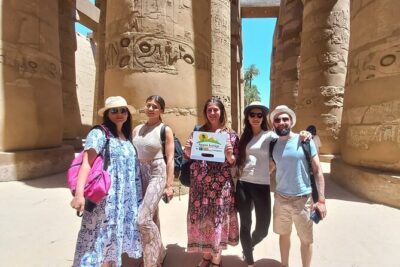
Small group Hurghada to Luxor, Valley of the Kings by Van
Read our review →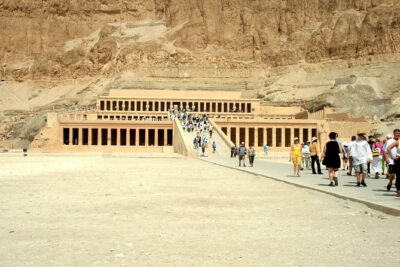
Luxor Day Tour: Valley of Kings & Queens & Hatchepsut Temples
Read our review →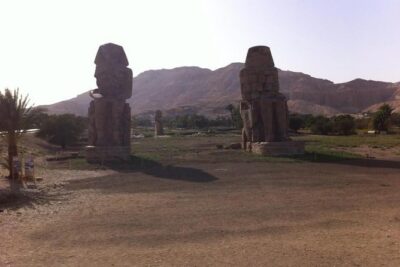
Full Day Tour to East and West Banks of Luxor
Read our review →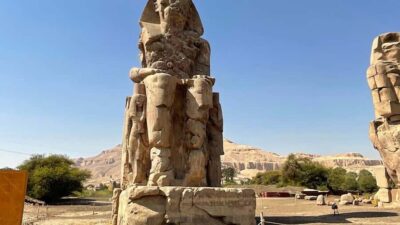
Valley of the Kings and Hatshepsut Temple Day Tour
Read our review →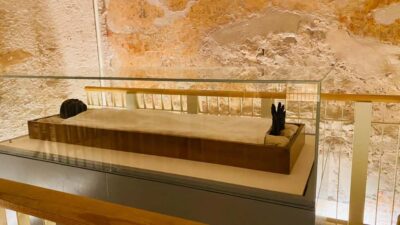
Luxor Tour with Valley of Kings, Karnak & Tut Tomb
Read our review →
Small-Group Luxor Highlights & Tut Tomb Day Tour
Read our review →Browse the lists this tour appears in