
Reviewed · VALLEY OF THE KINGS & LUXOR WEST BANK
Luxor: Private East and West Banks Tour and Felucca Cruise
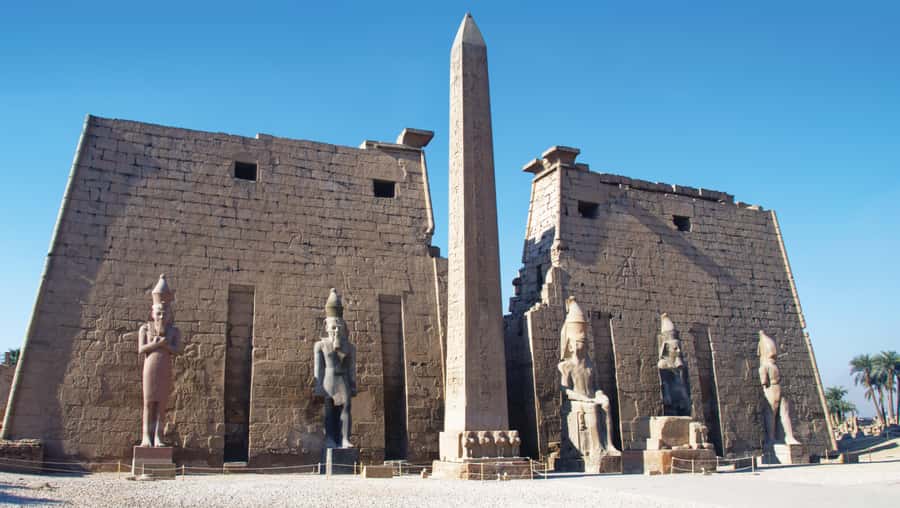
Luxor’s great advantage is that its major sights sit on both sides of the Nile, and this private east and west banks tour links them in one packed day. You move from royal tombs and desert cliffs to temple courtyards, then slow down on a traditional felucca as the river carries you past Luxor.
I like the personal pace, since your guide and driver can adjust stops, explain details, and help with photographs. I also like the combination of grand monuments and quiet river time. The drawback is simple: eight hours is a long, hot day, especially when you add walking across exposed temple grounds. Bring water, sunscreen, and a hat.
Key points at a glance
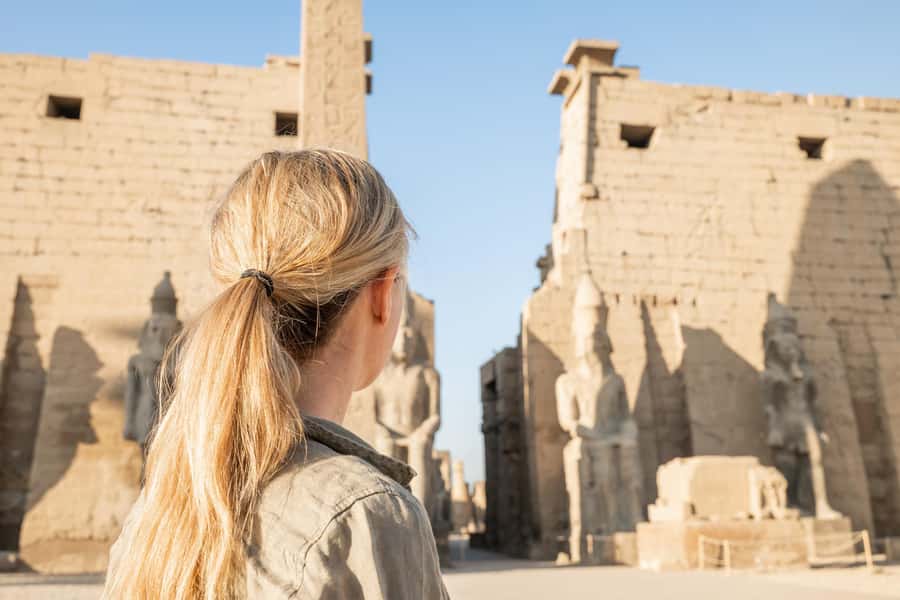
- Four major archaeological stops: Visit the Valley of the Kings, Hatshepsut’s temple, Karnak Temple, and Luxor Temple, with the Colossi of Memnon along the way.
- A private car and guide: You travel with your own driver and English-speaking guide, rather than following a large group.
- A felucca on the Nile: The traditional sailing boat provides a slower break after the monuments.
- Lunch is included: The day includes a meal at a local restaurant, with several visitors finding the food better than expected.
- Guides shape the day: Names frequently praised for clear explanations and warm service include Salma, Manal, Mohamed Refaie, Asma Saber, Esraa, Jackie, and Ahmed Yossry.
- Plan for heat and small expenses: Carry extra water, Egyptian pounds for tips and toilets, and allow for possible shopping stops.
A full day across Luxor’s two banks
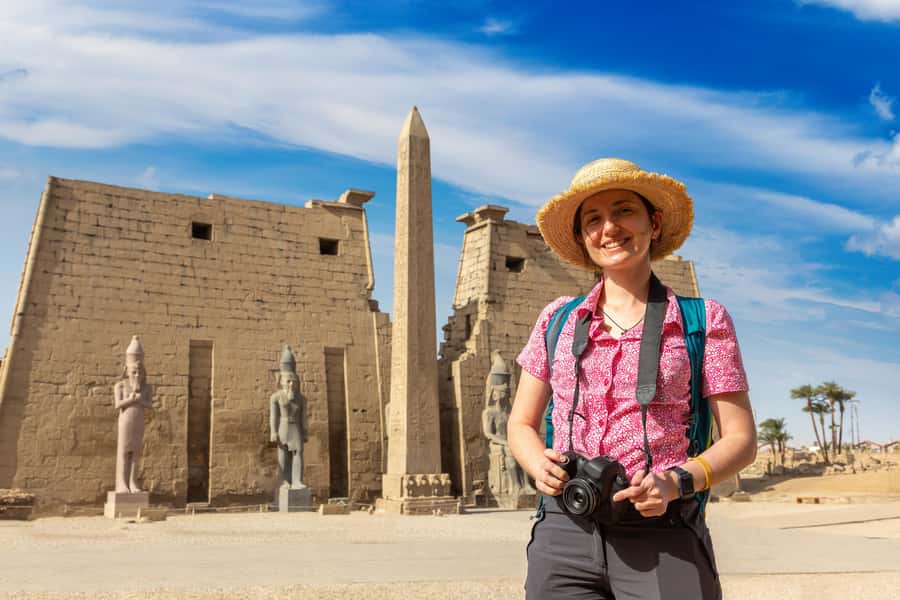
This tour works because it tackles the basic Luxor problem: the sights are spread out, and arranging transport between them can be awkward. Your pickup is included from hotels on Luxor’s East Bank. If your hotel is on the West Bank, an additional $5 per person applies.
The private format matters. You have a driver handling the roads and a guide handling the explanations, so you are not left trying to understand a temple through a guidebook while also watching the clock. The day is scheduled for about eight hours, but the pace can feel full, particularly if you want time for photographs at every stop.
The usual order begins on the West Bank, crosses to the East Bank, and finishes with the Nile cruise and hotel return. Exact timing can change, and you should check the available starting time when booking.
Other west bank days out of Luxor:
- Hurghada: Luxor Valley of the Kings & Tutankhamun Tomb Trip
★ 4.7 · 13,208 reviews - Luxor Day Trip from Hurghada Small Group & Tutankhamun Tomb
★ 4.8 · 5,366 reviews - Luxor Day Tour: Valley of Kings & Queens & Hatchepsut Temples
★ 5.0 · 1,496 reviews
Valley of the Kings: tombs below the desert hills
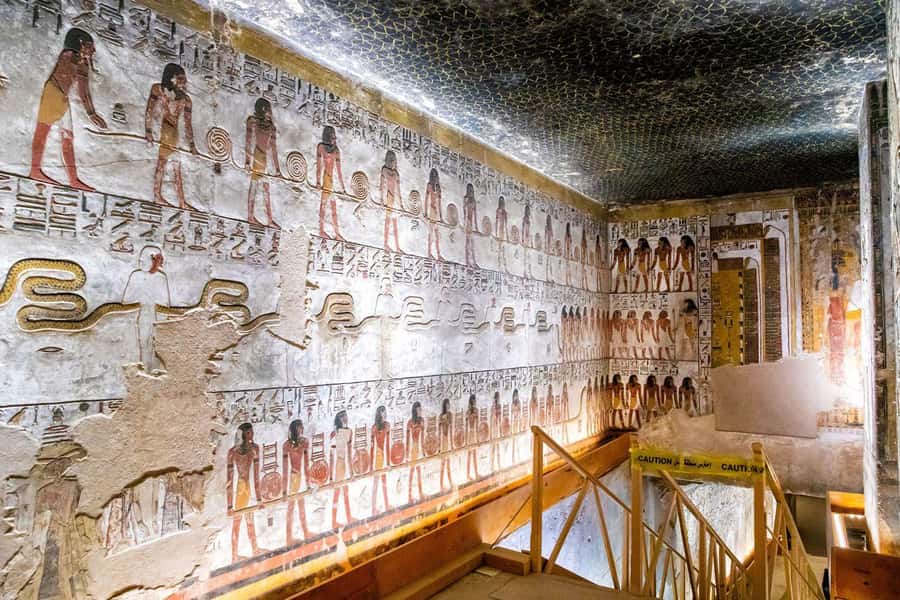
The first major stop is the Valley of the Kings, also called the Valley of the Gates of the Kings. This is the part of Luxor where the ancient royal burial tradition becomes personal. Instead of looking at one enormous monument from outside, you enter tombs cut into the rock and see painted walls, corridors, chambers, and hieroglyphic decoration.
Your entrance fee to the temples and listed sites is included. The regular admission normally covers access to selected tombs, while special tombs may require an extra ticket. The supplied information does not specify which individual tombs are included, so ask your guide on the day if you have a particular royal burial in mind.
A strong guide changes this stop from a quick look at old paintings into a lesson in symbols and beliefs. Asma Saber, Ahmed Yossry, Mohamed Refaie, and several other guides have been praised for explaining the scenes carefully, including how to spot important paintings and read some hieroglyphic signs.
The practical issue is heat. The valley is exposed, and the walk between the entrance area and tombs can be tiring. Wear shoes with a firm sole, carry water, and do not spend all your energy on the first tomb. Your guide can help you focus on the most useful details instead of trying to examine every wall at once.
Hatshepsut’s three terraces at Deir el-Bahari
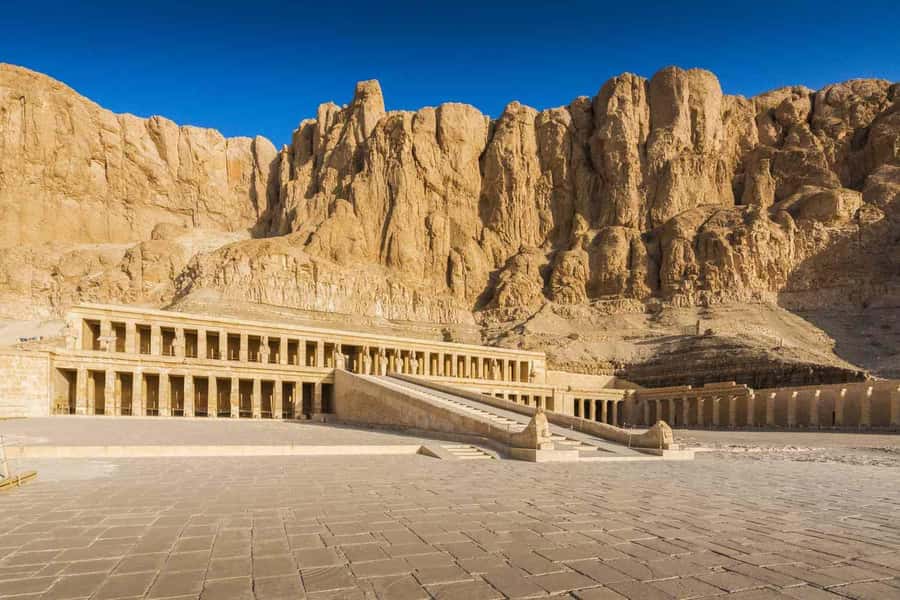
From the Valley of the Kings, the tour continues to the Mortuary Temple of Queen Hatshepsut. The temple is built against the cliffs of Deir el-Bahari, and its three broad terraces rise in clean horizontal levels above the desert floor.
This is one of Luxor’s most striking settings. The temple’s design feels orderly and open, while the cliffs behind it provide a hard, dramatic backdrop. Your guide can explain Hatshepsut’s place in ancient Egyptian royal history and point out details in the reliefs and architectural layout.
The site has little shade, so this is another place where timing and sun protection matter. If your guide starts early, you may have a more comfortable visit. Guides such as Manal, Nelly, and Mohamed ElAzab have been praised for giving detailed explanations without rushing people through photographs.
I would allow yourself time to look back across the terraces toward the desert. The building is not only about carved walls. Its relationship with the cliffs is the reason it remains so memorable.
The Colossi of Memnon and a useful pause
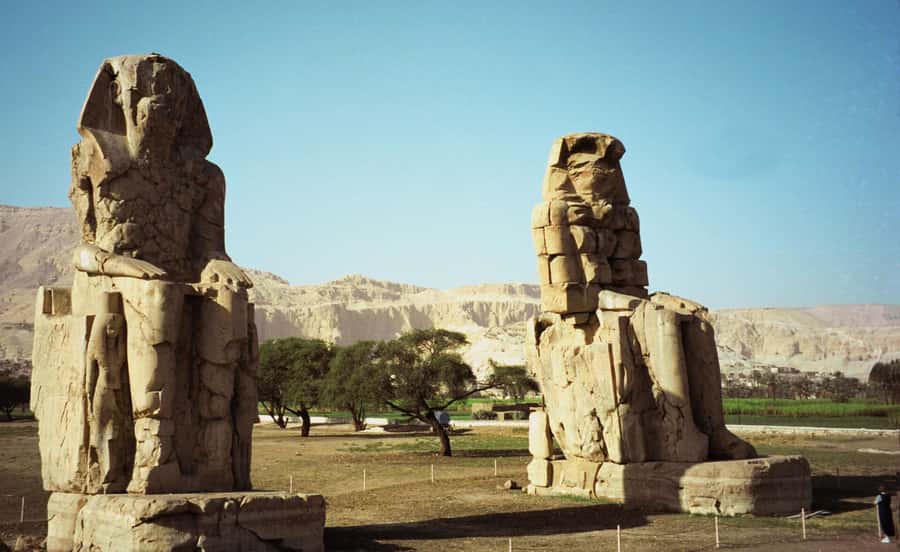
The Colossi of Memnon are a shorter stop, but they break up the larger monuments nicely. These huge seated statues once formed part of the mortuary temple of Amenhotep III. The temple itself is no longer intact in the way Karnak or Luxor Temple is, so the statues give you a sense of its former scale while also showing how much time has erased.
This is often a good place for photographs. It is also a sensible point to pause before lunch, especially in summer. The stop does not require the same sustained walking as the Valley of the Kings or Hatshepsut’s temple.
Other sails on the river at Luxor:
- Amazing Sunset sailing by Felucca in Luxor -2 Hours (Private)
★ 5.0 · 255 reviews - From Luxor: Dendera Temple All-Inclusive Tour & Felucca Ride
★ 4.2 · 207 reviews - Luxor: Nile River Private Sunset Felucca Ride
★ 4.9 · 188 reviews - Luxury Felucca on the Nile with Lunch
★ 5.0 · 994 reviews
Local lunch before the East Bank temples
Lunch at a local restaurant is included. Specific menus are not provided, so do not book this expecting a particular dish. The useful point is that you are given a proper break and do not have to arrange a meal while moving between sites.
Several visitors found the lunch surprisingly good, and one meal was described as the best food of an Egypt trip. Still, food quality can vary by day and restaurant. If you have dietary needs, tell the provider when booking or speak with your guide early in the day.
The break also gives you a chance to cool down and refill your water. Do not rely on a single bottle for eight hours. One visitor specifically found one bottle insufficient in summer, and that is easy to understand when the itinerary includes open desert sites and long temple walks.
Felucca sailing: the quietest part of the day
The felucca cruise is the tour’s change of mood. A felucca is a traditional sailing boat with a simple design, and the ride offers a slower view of Luxor from the Nile. You can relax with a drink, watch the river scenery, and let your feet recover after the archaeological sites.
This is not a long luxury cruise with entertainment and a full meal. It is a traditional boat ride included as part of a sightseeing day. That distinction matters. You book this for atmosphere, fresh air, and a close look at life along the river, not for a polished onboard program.
The cruise may be especially welcome late in the day. After tombs and temples, sitting on the water gives you space to take in Luxor without another lecture or long walk. If you prefer active sightseeing from morning to evening, the felucca is a pleasant change rather than the main attraction.
Karnak Temple and the Theban triad
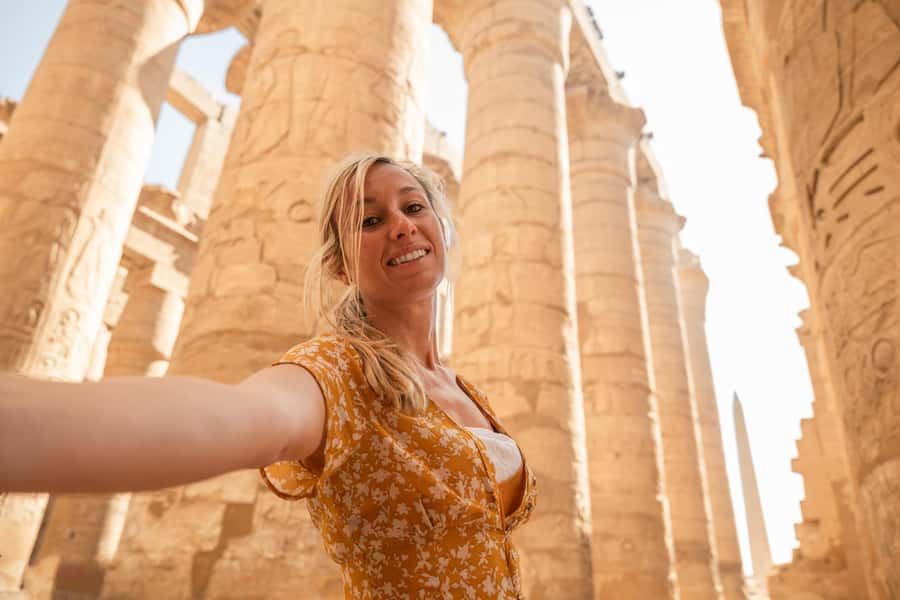
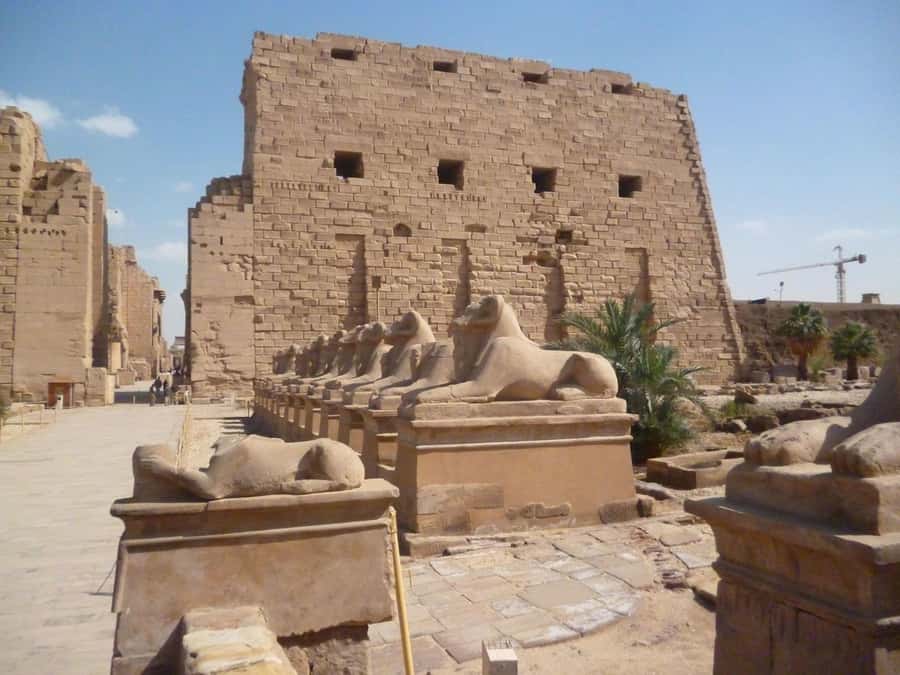
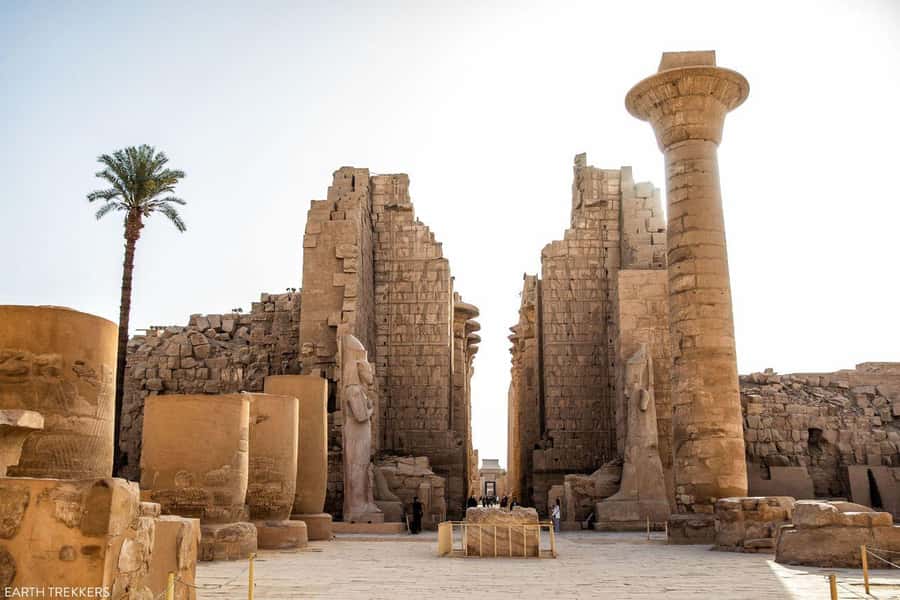
Karnak is the East Bank’s giant. The complex was dedicated to Amun, his wife Mut, and their son Khonsu, representing the Theban triad. Its scale can be difficult to grasp at first because it is a collection of religious spaces built and altered over long periods.
Your guide’s role is important here. Without context, you may see columns, gateways, statues, and reliefs without understanding how they fit together. A good explanation gives the monument structure. Guides such as Salma, Shaimaa, Jackie, Manal, and Ayman have been praised for making the history clear, engaging, and easy to follow.
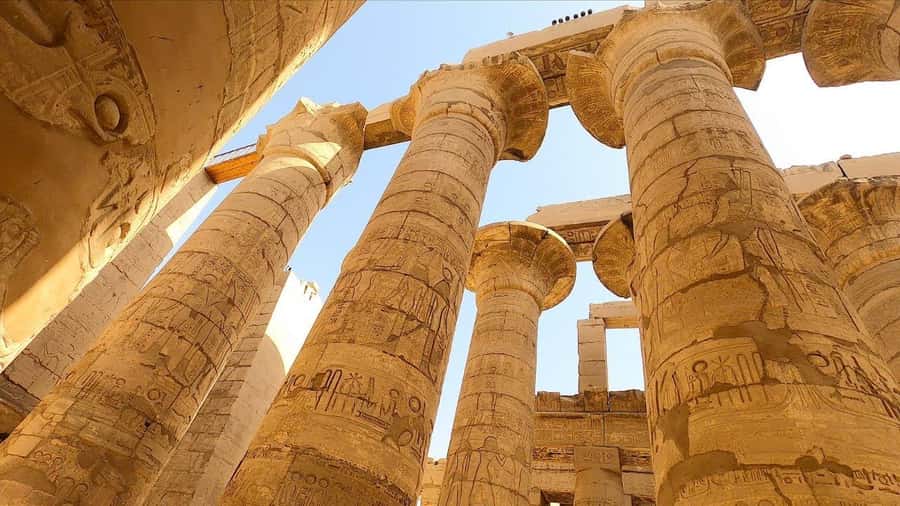
Give yourself time to look upward. Karnak’s columns and open courtyards are not just a series of photo stops. They show how ancient builders used repeated forms, inscriptions, and monumental scale to create a place of worship.
Karnak can also be tiring late in the day. If you are traveling with children or anyone who needs frequent breaks, tell the guide. The private arrangement allows more flexibility than a fixed group tour, and families have found guides willing to slow down or adjust the pace.
Luxor Temple after the larger complex
Luxor Temple provides a different experience from Karnak. It was begun by Amenhotep III in the 18th Dynasty and completed by Ramses II. The temple is closer to the modern city, so the setting feels more connected to present-day Luxor.
The monument is especially rewarding after Karnak because you can compare the two rather than treating them as separate ruins. Your guide can explain the relationship between the temples, the rulers associated with them, and the religious ideas shown in the carvings.
This final major stop can be the point when the day catches up with you. I would rather hear a focused explanation of the key statues, courtyards, and reliefs than receive a rushed attempt to cover every inscription. The private tour format helps here, since your guide can respond to your interests.
Guides, drivers, and the value of going private
The strongest part of this experience is the guide service. The guide assigned to you may be Salma, Mohamed Refaie, Manal, Asma Saber, Esraa, Jackie, Ahmed Yossry, or another member of the local team. Names change by date, so you cannot choose a particular guide unless the provider confirms it.
The best guide accounts share the same traits: clear explanations, patience, help with photographs, and the ability to adjust the day. Some guides have also helped families with small children, pointed out reasonably priced places for drinks or souvenirs, and explained tiny architectural details that are easy to miss.
The driver matters too. You spend a fair amount of the day moving between the two banks, and a clean, air-conditioned private car is welcome after time in the sun. Drivers have been praised for arriving on time, waiting patiently, and helping with smooth entry and exit at the sites.
The tour includes an English-speaking guide. Spanish, German, or French guiding is available as a paid add-on. The activity information also lists Arabic, English, French, German, and Spanish among the available languages, so confirm the exact language option and extra fee before you pay.
Is $115 a fair price?
At $115 per person, the tour is not the cheapest way to see Luxor. Its value comes from what is bundled together: private transportation, a guide, entrance fees to the listed temples, lunch, and a felucca ride.
If you arranged only transport and visited fewer sites, you might spend less. You would also have to organize the route, handle ticket purchases, find lunch, and decide how to connect the West Bank with Karnak and Luxor Temple. For a first visit, the convenience of having those pieces handled can justify the price.
The tour makes the most financial sense for someone with only one day in Luxor, a family that wants a private vehicle, or anyone who prefers detailed explanations at the monuments. It is less suitable if you have several days in town and would rather visit one or two sites slowly.
The price does not include West Bank hotel pickup, which costs $5 per person. It also does not include a paid upgrade for a Spanish, German, or French-speaking guide. Bring Egyptian pounds for tips, public toilets, drinks, and small purchases. One visitor noted that large US dollar notes were not always useful for minor expenses.
Possible shopping stops and how to handle them
Some visitors were taken to local shops for souvenirs, drinks, or demonstrations. These stops can be useful if you want to buy something and your guide takes you somewhere with clear prices. They can also interrupt an already full schedule.
If shopping is not part of your plan, say so early. One visitor specifically reported that asking to skip these stops was accepted. A private tour gives you a better chance of shaping the day, so be direct about your priorities.
Heat, timing, and what to bring
Luxor can be very hot, especially during summer. The itinerary includes desert valleys, open terraces, and broad temple courtyards, with limited shade at several points.
Bring:
- A refillable water bottle or extra bottled water
- Sunscreen and a hat
- Comfortable walking shoes
- Small Egyptian notes for tips and toilets
- A phone or camera with enough battery for photographs
The tour lasts about eight hours, so pace yourself. Reviews describe the day as smooth rather than rushed, but the number of sites means you will be active from pickup to return. If you have a baby, young children, or a mobility concern, discuss your needs with the provider before booking.
Who should book this Luxor tour?
I would choose this tour if you want the main Luxor highlights in one organized day and prefer having a private guide explain the meaning behind what you see. It is particularly useful for first-time visitors, couples, families, and anyone arriving with limited time.
I would hesitate if you dislike early starts, hot outdoor sites, or a schedule with four major monuments. You may also prefer a slower plan if you want to spend a full morning in one tomb or temple.
The tour is at its best when you tell your guide what matters to you. Ask for extra time with hieroglyphs, architecture, photography, or royal history. The private setup gives you room to do that.
Should you book it?
Book this Luxor east and west banks tour if you want an efficient introduction to the city, with the major temples, royal tombs, lunch, private transport, and a felucca ride in one day. The strongest value is the guide’s ability to make the monuments understandable, with Salma, Manal, Mohamed Refaie, Asma Saber, Esraa, Jackie, and Ahmed Yossry among the names associated with especially warm and detailed service.
Skip it if you want a slow archaeological study or already have transport and a guide arranged. For most first visits, though, the combination is sensible: ancient tombs in the morning, monumental temples later, and the Nile providing a calm finish.
FAQ
How long does the Luxor tour last?
The tour lasts about eight hours.
What sites are included?
The itinerary includes the Valley of the Kings, the Mortuary Temple of Queen Hatshepsut, the Colossi of Memnon, Karnak Temple, and Luxor Temple.
Is the felucca ride included?
Yes. A ride on a traditional felucca sailing boat is included.
Is lunch included?
Yes. Lunch at a local restaurant is included.
Is hotel pickup included?
Pickup and drop-off are included from hotels on Luxor’s East Bank. Pickup from the West Bank costs an additional $5 per person.
Is this a private tour?
Yes. The experience includes private transportation, a private driver, and a guide.
What language is the guide?
An English-speaking guide is included. Spanish, German, and French-speaking guides are available as paid add-ons. Arabic, English, French, German, and Spanish are listed as available languages.
Are entrance fees included?
Entrance fees to the temples are included. Ask your guide about any special tomb tickets that may not be part of the standard admission.
Is the tour suitable for families?
Yes. Families have used the private format successfully, and guides can help adjust the pace. The day is long and can be hot, so bring water and plan rest breaks.
Can I cancel the booking?
You can cancel up to 24 hours in advance for a full refund. The reserve-now, pay-later option allows you to hold a place without paying immediately.
Just added in Luxor
- Book online Sound and Light Show at Karnk Temple in Luxor★ 4.2 · 61 reviews
- From Luxor: 5-Day Nile Cruise to Aswan with Balloon Ride★ 4.2 · 168 reviews
- Luxor Day Tour Visit Dendara And Abydos Temples★ 4.6 · 151 reviews
- Dendara and Abydos Temples Day Tour from Luxor★ 4.5 · 133 reviews
- Private Half-day: Dendera Temple From Luxor★ 5.0 · 132 reviews
- Marsa Alam: Valley of the Kings & Karnak Temples Luxor Tour★ 4.6 · 177 reviews
- Luxor: West Bank Hot Air Balloon Ride with Hotel Pickup★ 4.9 · 169 reviews
- 2-Day Top Attractions and Adventures Package in Luxor with Accommodation★ 5.0 · 178 reviews
Valley of the Kings & Luxor West Bank, compared.
Luxor Valley of the Kings & Tutankhamun Tomb Trip
Read our review →
Luxor Day Trip from Hurghada Small Group & Tutankhamun Tomb
Read our review →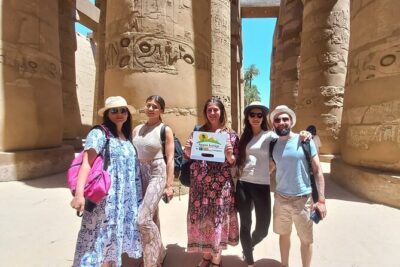
Small group Hurghada to Luxor, Valley of the Kings by Van
Read our review →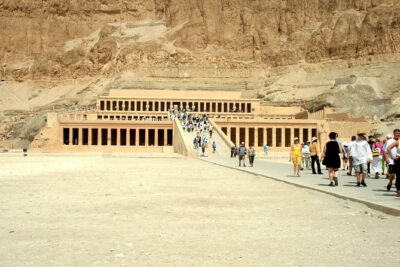
Luxor Day Tour: Valley of Kings & Queens & Hatchepsut Temples
Read our review →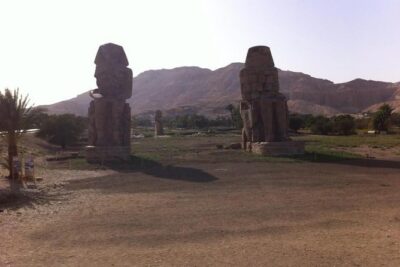
Full Day Tour to East and West Banks of Luxor
Read our review →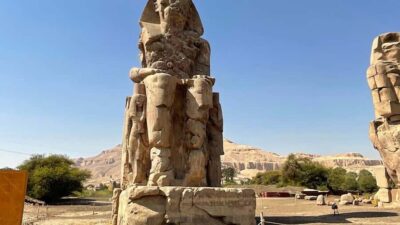
Valley of the Kings and Hatshepsut Temple Day Tour
Read our review →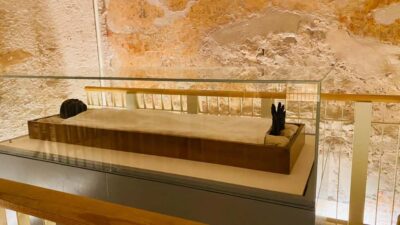
Luxor Tour with Valley of Kings, Karnak & Tut Tomb
Read our review →
Small-Group Luxor Highlights & Tut Tomb Day Tour
Read our review →Browse the lists this tour appears in