
Reviewed · KARNAK & LUXOR TEMPLES
Luxor: West and East Banks All-Inclusive Tour & Balloon Ride
The day’s most remarkable moment comes before breakfast: you rise more than 1,500 feet above Luxor as the sun reaches across the Nile and the ancient temples. The sunrise balloon flight gives you a clear sense of how the West Bank’s tombs and cliffs relate to the river and the city.
I like two things here. First, the tour puts the Valley of the Kings, Hatshepsut’s Temple, Karnak, and Luxor Temple into one well-organized day. Second, the felucca ride gives you quiet time on the Nile after hours among tombs and temples. The main drawback is simple: this is a long, busy 11-hour day, and summer heat can make the schedule tiring.
Key points to know before booking
- Sunrise comes first: The balloon ride begins very early and can be the emotional high point of the day.
- Both banks in one outing: You see the major West and East Bank sights without arranging separate transport.
- Strong guide element: Guides including Salma, Ayman, Manal, Ahmed Anwer, and Esraa have been praised for clear history, patience, and good pacing.
- A real value package: At $188 per person, the price includes transport, temple entry, guide, lunch, balloon flight, felucca ride, taxes, and service charges.
- Weather can change the plan: Wind has caused balloon cancellations, but the operator has sometimes rescheduled flights or offered a partial refund.
- Expect a physical day: Comfortable shoes, sun protection, snacks, and light clothing matter, especially from late spring through summer.
Why the balloon ride changes your view of Luxor
Most people first meet ancient Luxor at ground level, looking up at columns, cliffs, and painted tomb walls. The balloon ride reverses that order. From the basket, you see the Nile as the dividing line between modern Luxor and the ancient burial grounds of the West Bank.
The flight takes place at sunrise, when the air is cooler and the desert light is soft. You may see the terraces of Hatshepsut’s Temple, the West Bank villages, fields along the river, and the broad spread of Luxor’s monuments. The experience is scenic, but it also gives you useful geography. After the flight, the day’s temple visits make more sense because you have already seen how the sites fit together.
The flight is listed at a height of more than 1,500 feet. Exact flight conditions depend on the pilot and wind. Ballooning is weather-sensitive, and this is the one part of the day that cannot be treated as guaranteed. Several bookings have faced cancellations because of wind, with flights moved to the next day when possible. In other cases, a partial refund was provided.
That flexibility is important if the balloon is your main reason for booking. If you have only one morning in Luxor, ask yourself how comfortable you are with the possibility of a weather change. The rest of the sightseeing can still go ahead, but the replacement plan may not include the same sky-high view.
Other balloon rides in Luxor people book:
- Hot Air Balloon Ride in Luxor Egypt with Transfers Included
★ 5.0 · 4,319 reviews - Luxor: Hot Air Balloon Ride over Luxor Relics
★ 4.8 · 1,681 reviews - Hurghada: 2-Day Luxor Tour with Hotel, Balloon, & Boat Ride
★ 4.5 · 1,113 reviews
Valley of the Kings: tombs, heat, and limited energy
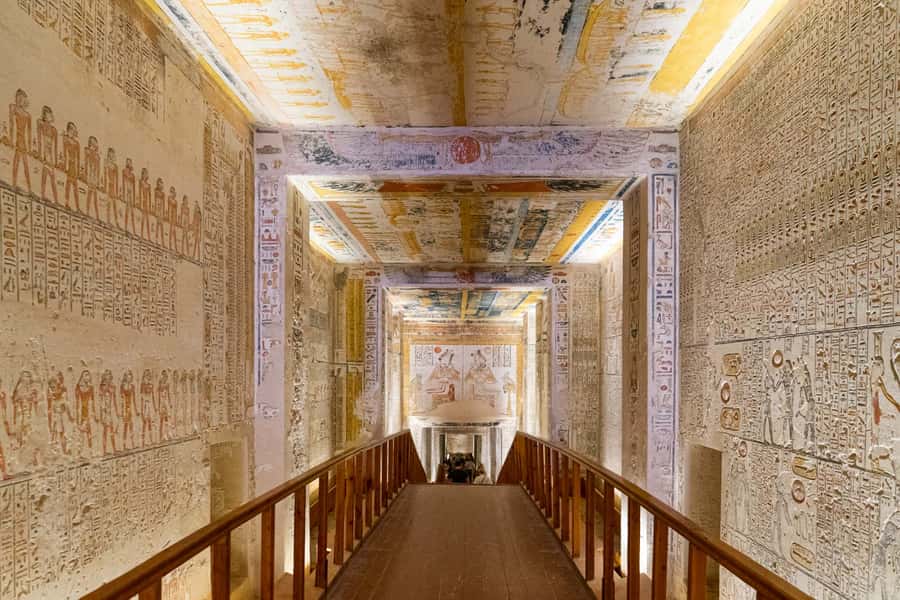
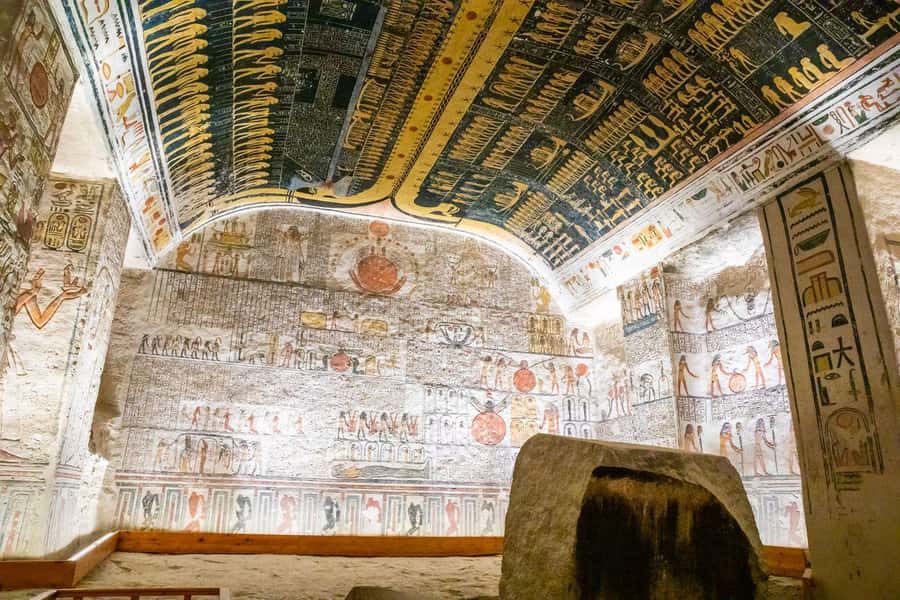
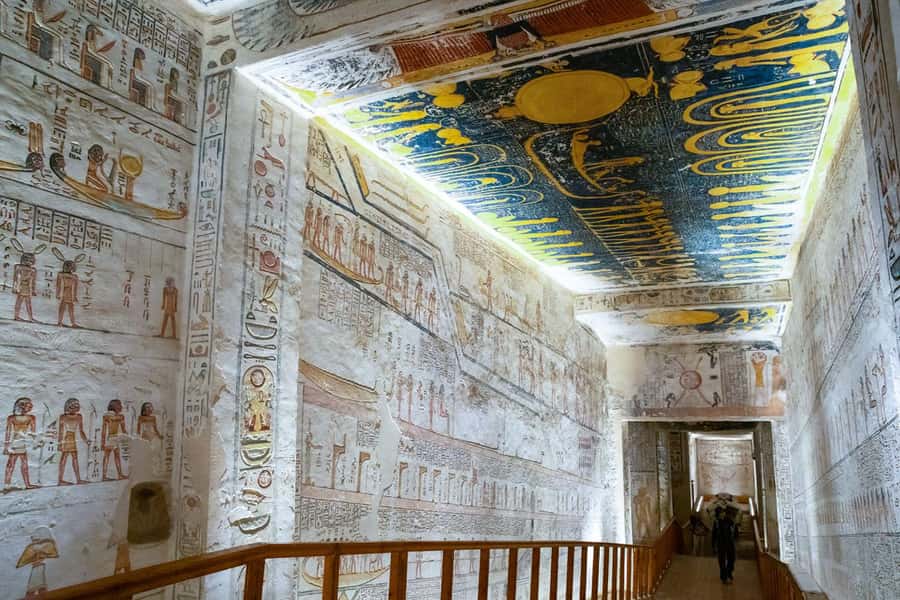
After landing, you head to the West Bank and the Valley of the Kings. This is where Egypt’s royal burial tradition becomes physical and close. Instead of grand temples spread across open ground, you enter tomb passages cut into the desert hills.
Your guide explains the purpose of the valley, the decoration, and the stories shown in the inscriptions. The tour includes entry fees, but the specific tombs available can vary. The walk between areas can be exposed, and the combination of an early start and rising heat can catch up with you here.
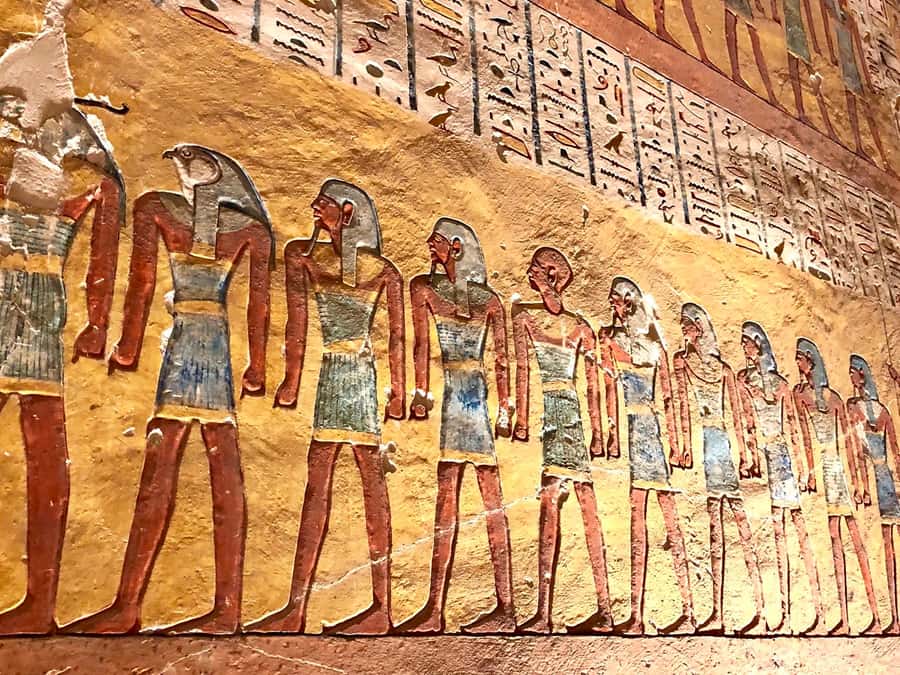
Give yourself room to look carefully. The painted walls are not just decoration. They were designed to guide the dead ruler through the afterlife, with scenes and symbols placed in a deliberate order. A good guide helps you notice details you might otherwise pass by.
The most useful guides on this tour are the ones who balance explanation with quiet time. Ayman was praised for answering questions while leaving room to explore independently. Issa was also credited with matching the pace to the group’s energy. That matters in the Valley of the Kings, where too much information delivered too quickly can blur together.
Hatshepsut’s Temple and the cliffs of Deir el-Bahari
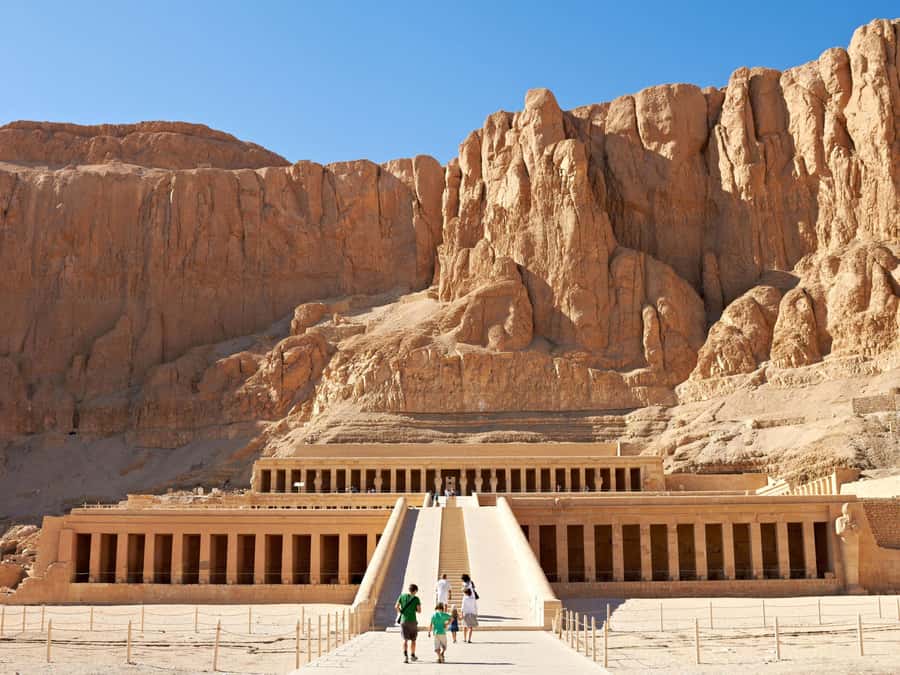
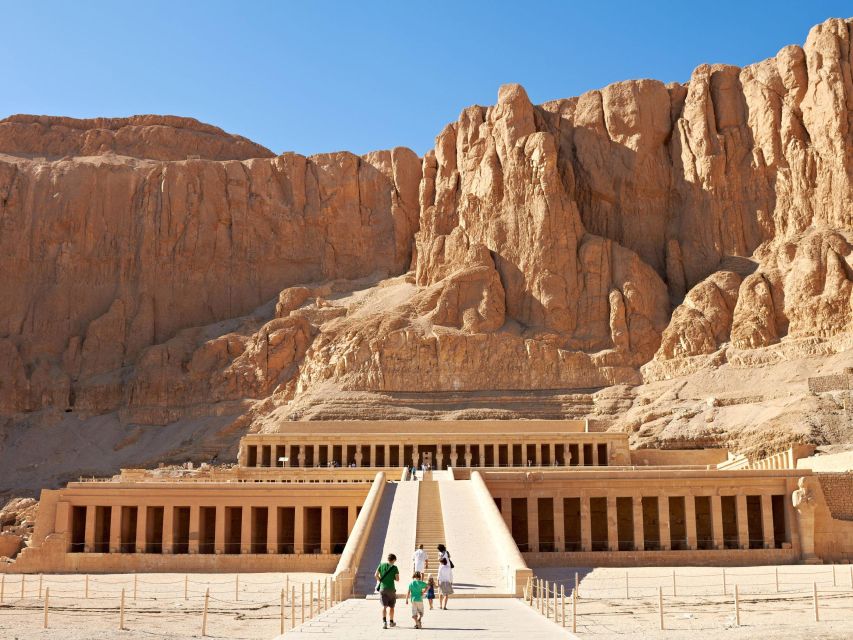
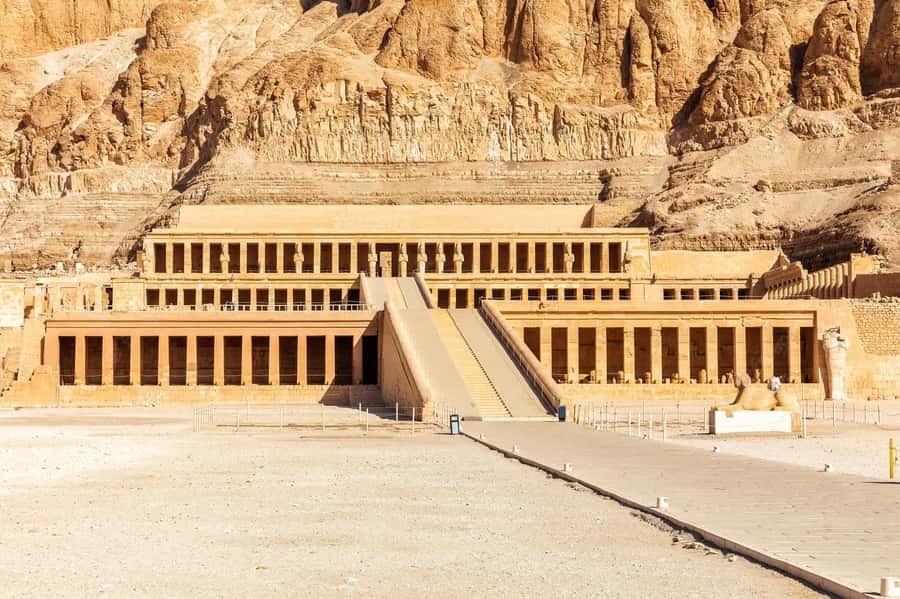
The Mortuary Temple of Queen Hatshepsut is one of Luxor’s most striking stops. Its three broad terraces rise from the desert toward the cliffs of Deir el-Bahari, creating a strong contrast between straight architectural lines and the rugged rock behind them.
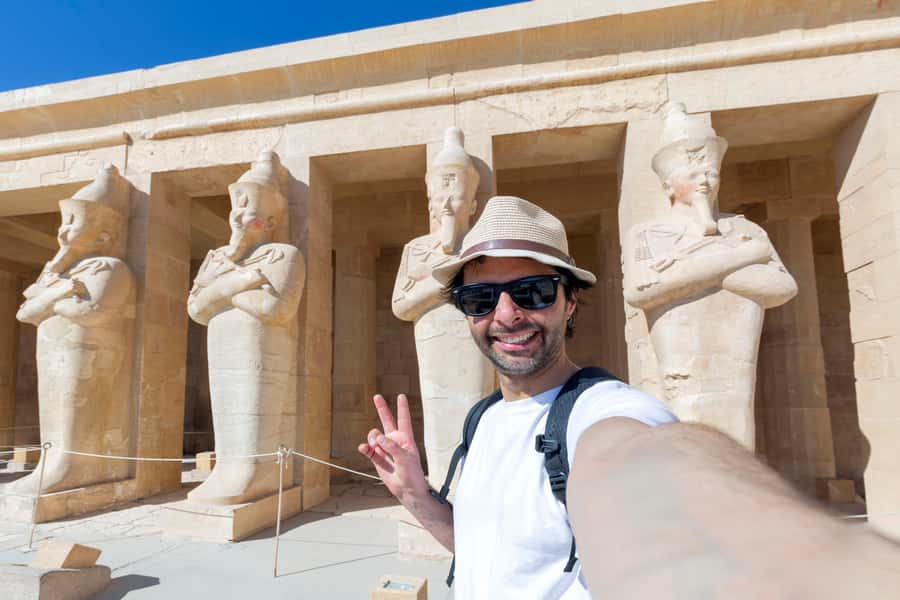
The temple was built for Hatshepsut, one of Egypt’s most notable female rulers. Your guide can help explain how the terraces, ramps, reliefs, and setting supported the temple’s religious purpose. The site also works well after the balloon flight because you have already seen these cliffs from above.
This stop involves walking in open sun, with some steps and uneven surfaces. Wear shoes that can handle a full day on hard ground. Bring water, a hat, and sunscreen. Free drinks were provided during some tours, but you should still carry your own bottle and snacks.
The stop is visually impressive even if you are not an archaeology specialist. I would give it enough time for photographs, but I would not linger so long that you lose energy for Karnak later. The schedule is packed, so your guide’s judgment about timing can make a big difference.
Colossi of Memnon: a short stop with a big scale
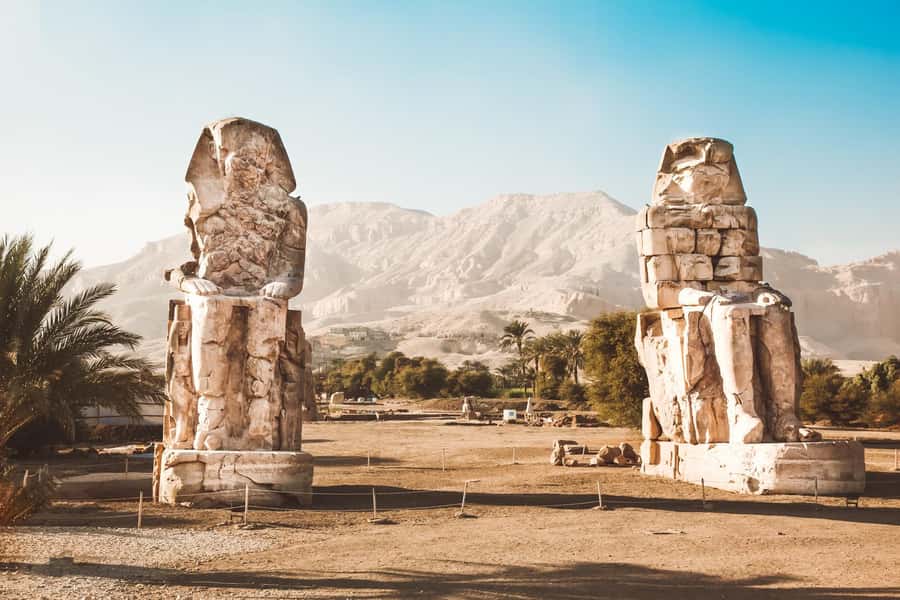
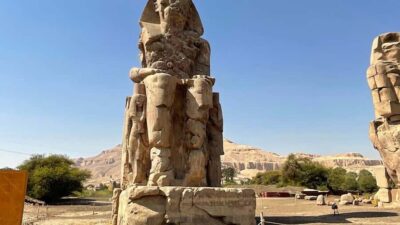
The Colossi of Memnon are two huge seated figures of Amenhotep III. They once guarded the entrance to his mortuary temple, much of which has disappeared. The statues are an efficient stop because you can understand their scale quickly, but your guide adds the context that makes them more than a photo opportunity.
This is usually a shorter visit than the Valley of the Kings or Karnak. That is welcome on a full day. You get a chance to see monumental sculpture in an open setting without spending another long stretch inside a temple complex.
The stop is also a reminder that Luxor’s surviving monuments are only part of the ancient city. Ruins, reused stone, and scattered remains sit alongside famous structures. A guide can explain what was here and why the two statues remain such a recognizable marker of the West Bank.
Other temple visits around Luxor:
- Luxor: Shared Full-Day Tour to Luxor West and East Banks
★ 4.5 · 1,812 reviews - Hurghada: Luxor Tour with Valley of Kings, Karnak & Tut Tomb
★ 4.6 · 1,082 reviews - Luxor : Full Day Tour to Luxor West and East Banks & Lunch
★ 5.0 · 870 reviews - Luxor: Valley of Kings, Hatchepsut Temple ,Karnak & Luxor-DayTour
★ 5.0 · 735 reviews
Lunch at a local restaurant
Lunch is included at a local restaurant, which keeps the day moving and removes one decision from a demanding schedule. A beef meal was specifically noted as an option on one outing, though the available dishes can vary.
Do not expect a long, leisurely restaurant break. This is a sightseeing day with several major stops still ahead. Think of lunch as a chance to sit down, eat, and recover from the morning rather than a separate culinary event.
If you need snacks, bring them. The tour specifically recommends doing so, and that is sound advice. The balloon pickup may happen before normal breakfast hours, and the first half of the day includes outdoor walking. A small snack can help you avoid running out of energy before Karnak.
The felucca ride gives the day some breathing room
The traditional felucca ride is one of the best-paced parts of the outing. After the tombs and temples, you get a slower view of Luxor from the Nile. You can sit with a drink, watch the banks pass, and let the day’s information settle.
Feluccas are simple sailing boats, and the appeal is their quiet, open-air character. This is not a sightseeing cruise with a loud commentary track. It is a short river journey where the scenery does the work.
The exact place in the day can vary. Some outings have ended with a felucca ride, while the basic schedule places it before the East Bank temples. Either way, it provides a welcome change from roads, stone courtyards, and desert sun.
One especially memorable account involved a passenger being allowed to steer the boat. Do not assume that will happen every time, but the detail captures the relaxed nature of this part of the experience. If the wind is favorable, the felucca can be a peaceful highlight rather than just transport.
Karnak Temple rewards the extra effort
Karnak is the largest and most demanding temple complex on the program. It was dedicated to Amun, Mut, and Khonsu, the Theban triad. Its scale can be hard to grasp from a guidebook description, so give yourself time to move through the columns, courts, gateways, and sacred spaces.
The Great Hypostyle Hall is the visual center for many people, with its forest of massive columns. But Karnak is more than one famous hall. Your guide helps connect the different sections and explains how rulers added to the complex over many generations.
This is where the quality of the guide matters most. The site can feel like a procession of huge stones unless someone explains what you are seeing and why it was built. Guides such as Salma, Adam, Ayman, Ahmed Anwer, and Esraa were praised for answering questions and explaining inscriptions and temple use in clear terms.
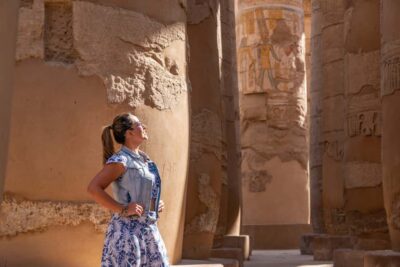
Karnak can also be crowded and hot. A guide who adjusts the route, finds quieter moments, and does not rush every stop adds real value. You may want photographs, but do not let the camera turn the entire visit into a checklist. Look up at the columns and pay attention to the scale of the complex.
Luxor Temple brings the monuments back into the city
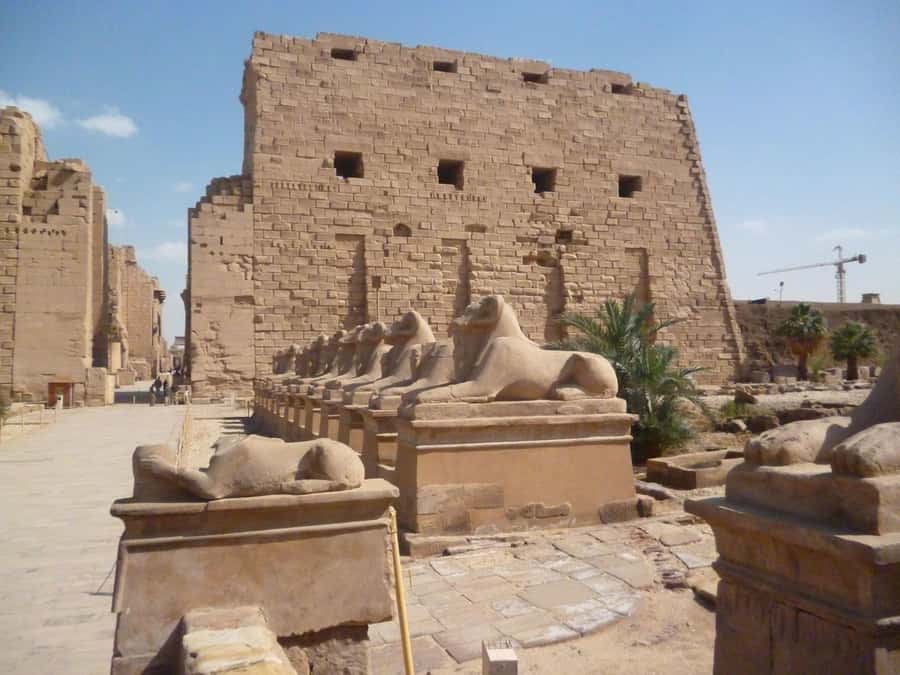
Luxor Temple feels different from Karnak because it sits in the modern city. It was begun under Amenhotep III in the 18th Dynasty and completed in major part by Ramses II. Its location makes the contrast between ancient and modern Luxor especially clear.
The temple’s avenues, statues, columns, and courtyards give your guide plenty to explain. The site is associated with royal and religious ceremonies, and its relationship with Karnak helps you understand that these were not isolated buildings.
I like having Luxor Temple near the end of the day. By then, you have seen tombs, a mortuary temple, colossal statues, and a huge religious complex. Luxor Temple brings those ideas together in a final urban setting before your hotel transfer.
The downside is fatigue. If you began with a very early hotel pickup, you may be ready to sit down by the time you arrive. Tell your guide if you need a slower pace. Past outings have included guides who gave people privacy and time to wander, which is particularly helpful here.
Guides and drivers make the difference
The tour includes an English-speaking guide, driver, and hotel transport from East Bank hotels. Other languages listed include Arabic, French, German, and Spanish, though language availability should be confirmed when booking.
The strongest guide reports focus on clear explanations, patience, photography help, and flexibility. Salma was praised for handling a balloon reschedule and for her friendly manner. Manal was noted for taking photographs and explaining the sites clearly. Ahmed Anwer was praised for storytelling and detailed historical context. Ayman was valued for a relaxed pace and answers to questions.
That does not mean you can choose a particular guide in advance. Names are useful examples of the level of service to hope for, not a promise of assignment. The driver also matters because you spend much of the day moving between the West and East Banks. Some outings received praise for punctual pickups, safe driving, and courteous service, while one person felt the vehicle could have been newer and more spacious.
Pickup is from hotels on the East Bank. West Bank pickup costs an additional $5 per person. Be outside your lobby 10 minutes before the scheduled time. The early start is part of the balloon experience, so do not plan a late night before this tour.
Is $188 per person good value?
At $188 per person, this is not a bargain sightseeing bus. It is a full package that combines several costly and time-consuming pieces: hotel pickup and drop-off from the East Bank, temple entry fees, a professional guide, driver, lunch, felucca ride, sunrise balloon flight, taxes, and service charges.
The value is strongest if you want to see both banks in one day and you would otherwise need to arrange separate transport, tickets, a balloon operator, a boat, and a guide. It also suits a short stay, when saving planning time matters.
The value is weaker if you have several days in Luxor and prefer slow visits. Eleven hours is efficient, but it is not leisurely. You may want to spend a full morning in the Valley of the Kings, return to your hotel during the hottest part of the day, and visit Karnak when you have more energy.
The overall rating is 4.5 from 415 reviews, with repeated praise for organization, guide quality, the balloon flight, and the felucca ride. The main cautions are the long schedule, hot conditions, occasional weather cancellations, and a vehicle that may not feel especially spacious.
Who should book this Luxor day tour?
I would choose this tour if you have one full day in Luxor, want the balloon ride, and prefer one company to coordinate the moving parts. It is also a good fit if you want historical explanations rather than visiting the monuments alone.
It suits active adults and older children who can handle walking, early starts, heat, and a long day. Children under six cannot join the balloon flight under civil aviation rules.
I would think twice if you are pregnant, use a wheelchair, have limited mobility, or dislike early mornings. The tour is not suitable for pregnant women, wheelchair users, or people with mobility impairments.
Book with a weather backup in mind. The operator has rescheduled cancelled balloon flights in some cases, and partial refunds have been given in others. Free cancellation is available up to 24 hours before the tour, and you can reserve now and pay later.
Should you book it?
Book this tour if the idea of seeing Luxor from a balloon at sunrise excites you and you want the major temples covered in one carefully arranged day. The combination of aerial views, royal tombs, Karnak, Luxor Temple, lunch, and a felucca ride gives you a broad introduction to the city.
Skip it, or split the banks over two days, if you want long quiet visits or know that heat and early starts wear you down. For a short stay, though, the $188 price is defensible because it includes the parts that are hardest to organize alone. The balloon is weather-dependent, but the rest of the day still offers a strong look at Luxor’s ancient heart.
FAQ
How long is the Luxor tour?
The tour lasts 11 hours, including the balloon flight, sightseeing on both banks, lunch, the felucca ride, and transfers back to your hotel.
What time does the tour begin?
The starting time varies. Because the balloon flight takes place at sunrise, pickup can be very early. Check availability for the exact start time and wait outside your hotel lobby 10 minutes before pickup.
Is hotel pickup included?
Yes. Hotel pickup and drop-off are included for hotels on Luxor’s East Bank. West Bank pickup is available for an additional $5 per person.
What does the $188 price include?
The price includes temple entry fees, an English-speaking professional guide, driver, hotel transfers from the East Bank, sunrise balloon flight, felucca ride, lunch, taxes, and service charges.
Which places do you visit?
The tour visits the Valley of the Kings, Mortuary Temple of Hatshepsut, Colossi of Memnon, Karnak Temple, and Luxor Temple. It also includes a sunrise balloon flight and a felucca ride on the Nile.
Is the hot-air balloon flight guaranteed?
No. Wind and other weather conditions can cause cancellations. The operator has rescheduled flights for another day when possible and has provided partial refunds in some cases.
Can children join the balloon ride?
Children under six cannot join the hot-air balloon flight because of civil aviation rules.
Is the tour suitable for wheelchair users?
No. The experience is not suitable for wheelchair users or people with mobility impairments.
What should I bring?
Bring comfortable shoes, comfortable clothing, a camera, snacks, sunscreen, and a hat. A light jacket may also be useful during the early morning.
Can I cancel the booking?
You can cancel up to 24 hours in advance for a full refund. The reserve-now, pay-later option lets you hold a place without paying immediately.
More balloon rides over Luxor
- Luxury Sunrise Balloon Ride in Luxor with Hotel Pickup
★ 5.0 · 1,104 reviews - Luxor: Morning Hot Air Balloon Ride
★ 4.4 · 736 reviews - Sunrise Hot Air Balloon Over the Historical sites in Luxor
★ 5.0 · 697 reviews - Sunrise Hot Air Balloon Ride Over Luxor
★ 5.0 · 648 reviews
Just added in Luxor
- Book online Sound and Light Show at Karnk Temple in Luxor★ 4.2 · 61 reviews
- From Luxor: 5-Day Nile Cruise to Aswan with Balloon Ride★ 4.2 · 168 reviews
- Luxor Day Tour Visit Dendara And Abydos Temples★ 4.6 · 151 reviews
- Dendara and Abydos Temples Day Tour from Luxor★ 4.5 · 133 reviews
- Private Half-day: Dendera Temple From Luxor★ 5.0 · 132 reviews
- Luxor: West Bank Hot Air Balloon Ride with Hotel Pickup★ 4.9 · 169 reviews
- 2-Day Top Attractions and Adventures Package in Luxor with Accommodation★ 5.0 · 178 reviews
- Luxor: West & East Banks & Tut’s Tomb Private Full-Day Tour★ 4.8 · 173 reviews
Karnak & Luxor Temples, compared.
Shared Full-Day Tour to Luxor West and East Banks
Read our review →
Luxor Tour with Valley of Kings, Karnak & Tut Tomb
Read our review →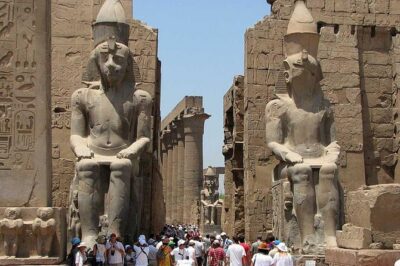
Valley of Kings, Hatchepsut Temple ,Karnak & Luxor-DayTour
Read our review →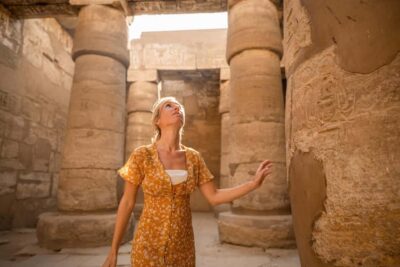
Valley of Kings Hatshepsut & Karnak Luxor Day Trip
Read our review →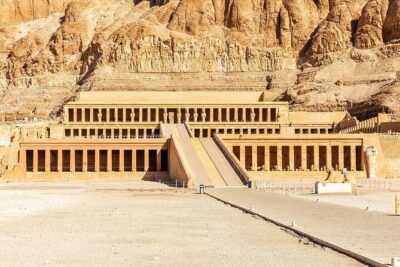
All Inclusive Day Tour to Luxor West and East Banks with Lunch
Read our review →
Valley of the Kings & Karnak Temples Luxor Tour
Read our review →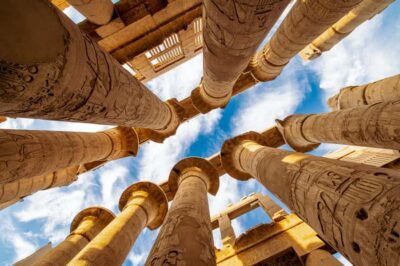
West & East Banks & Tut’s Tomb Private Full-Day Tour
Read our review →Browse the lists this tour appears in